
Plants
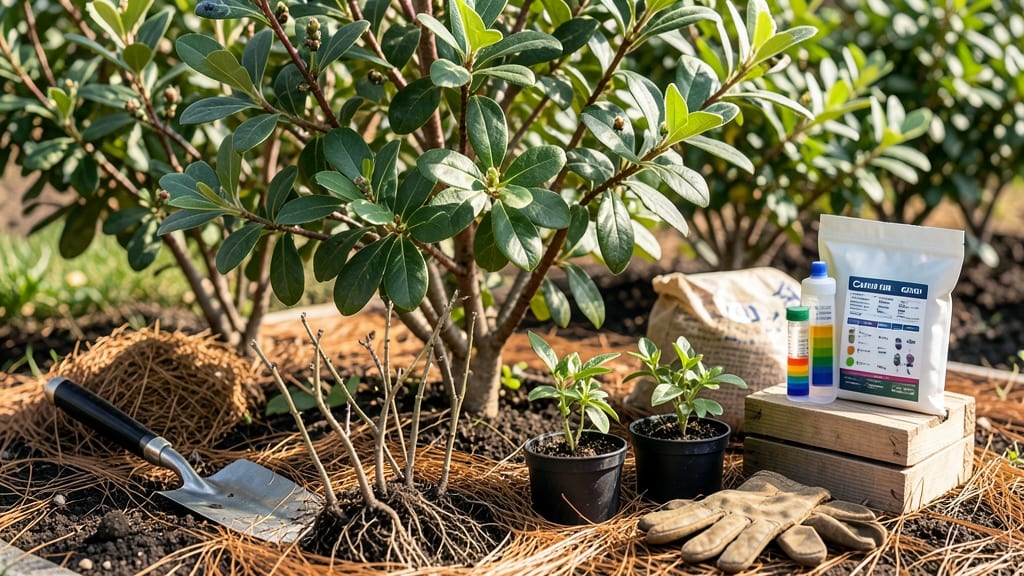
Timing your blueberry 🫐 planting in Minnesota isn’t just about picking a month—it’s about beating the clock before frost or heat ruins your chances. With USDA Zones 3-4 and unpredictable spring weather, getting it right means the difference between a thriving bush and a sad, frozen sapling.
Most gardeners assume spring is the only option, but fall planting actually gives your blueberries a head start. I’ll break down the exact windows—early April or September—that work best for Minnesota’s climate, plus how to prep your soil for those acid-loving bushes.
Whether you’re planting bare-root saplings or container-grown bushes, I’ll walk you through the critical steps to avoid common mistakes that kill Minnesota blueberries—like planting too late or ignoring soil pH. Ready to grow your own sweet harvest?
Let’s dive into the perfect schedule so your bushes take root strong, survive our winters, and reward you with juicy blueberries by next summer.
Best planting months for blueberries in Minnesota’s cold climate
Timing your blueberry planting in Minnesota is all about avoiding late spring frosts and giving roots time to establish before winter dormancy. The two best windows are early spring (April) and early fall (September), each with distinct advantages for Minnesota’s USDA Zones 3-4.
Let’s break down why these months work best for your cold-hardy varieties like 'Northcountry' or 'Bluecrop'.
Spring planting (April) lets you take advantage of warmer soil temperatures—critical for root growth—while avoiding the harshest winter winds. Fall planting (September) allows roots to establish before frost, but you must finish at least 4-6 weeks before the first freeze (typically mid-October in Zone 3).
For bare-root plants, spring is ideal because you can see soil conditions clearly. Container-grown blueberries, however, can handle fall planting better since their roots aren’t exposed to drying winds. Always check your last frost date (mid-May in most of Minnesota) to time your planting perfectly.
Pro Tip: If you miss these windows, wait until next year. Planting in late spring (May-June) risks root stress from summer heat, while late fall (October-November) leaves plants vulnerable to winter desiccation.
🌱
| Planting Window | Best For | Soil Temp | Frost Risk | Root Establishment |
|---|---|---|---|---|
| Early Spring (April) | Bare-root plants | 40-50°F | Low (post-frost) | Moderate (6-8 weeks) |
| Early Fall (September) | Container-grown | 50-60°F | Moderate (4-6 weeks before frost) | Strong (before dormancy) |
| Late Spring (May-June) | Avoid (root stress) | 60-70°F | High (summer drought) | Weak (heat shock) |
Zone 3 gardeners should prioritize early spring planting because fall windows are shorter—aim to finish by September 1st to avoid winter damage. In Zone 4, you have slightly more flexibility, but still avoid planting after September 15th. Always check your local Almanac frost dates for precision.
For container planting, fall is safer because pots dry out faster in Minnesota’s hot summers. Use acid-loving potting mix and keep containers in partial shade during peak heat. Move them to a sunny spot in spring for fruit production.
If you’re planting multiple bushes, space them 4-6 feet apart to allow airflow and reduce fungal diseases like botrytis. Group bushes by variety—'Bluecrop' and 'Jersey' are great pollinators for each other, while 'Northcountry' thrives alone in colder zones.
🌿
After planting, mulch heavily with pine needles or wood chips (2-3 inches) to retain moisture and acidify the soil naturally. This is especially critical in Minnesota’s alkaline soils, which blueberries hate. Test your soil’s pH (4.5-5.5) before planting—amend with sulfur or peat moss if needed.
Remember: Patience is key. Blueberries take 2-3 years to bear fruit, but with the right timing, your bushes will reward you with juicy, homegrown berries for decades. Start now, and you’ll be harvesting in July-August!
Best planting months for blueberries in Minnesota’s cold climate
Minnesota’s USDA Zones 3-4 demand precise timing for blueberry bushes—plant too early, and frost will damage tender roots. Too late, and your bushes won’t establish before winter. The ideal windows are early spring (April) or early fall (September), when soil temperatures hover between 40°F and 60°F.
Spring planting lets blueberries establish roots before summer heat, while fall planting gives them time to root before dormancy. For Zone 3, aim for late April to early May—after the last frost (mid-May average) but before soil overheats.
In Zone 4, you’ve got a slightly wider window: early April to mid-May.
Northern varieties like 'Northcountry' or 'Bluecrop' thrive in these conditions. Avoid planting in late spring (June)—your bushes won’t have time to root before winter’s harsh freeze (mid-October average).
| Timing | Zone 3 (Fargo) | Zone 4 (Minneapolis) |
|---|---|---|
| Spring Planting | Late April–Early May | Early April–Mid-May |
| Fall Planting | Early September | Mid-September |
| Soil Temp | 40°F–60°F | 40°F–60°F |
| Key Risk | Late frost damage | Root establishment delay |
For bare-root plants, spring planting is easiest—soak roots overnight before transplanting. In fall, water deeply after planting to help roots establish before dormancy. Container-grown blueberries can handle slightly later spring planting (May), but avoid planting after June 1st—they won’t survive Minnesota’s winters.
Pro tip: Check local frost dates (MN State Climatology Office) for your exact location—even a 10-mile difference can shift your planting window by 1–2 weeks. Use mulch (straw or pine needles) to insulate roots in both spring and fall.
If you miss the ideal window, don’t panic—just wait for next year. Blueberries planted at the wrong time often recover if given proper care, but they’ll bear fruit 1–2 years later than optimally timed plants. 🫐