
Planting
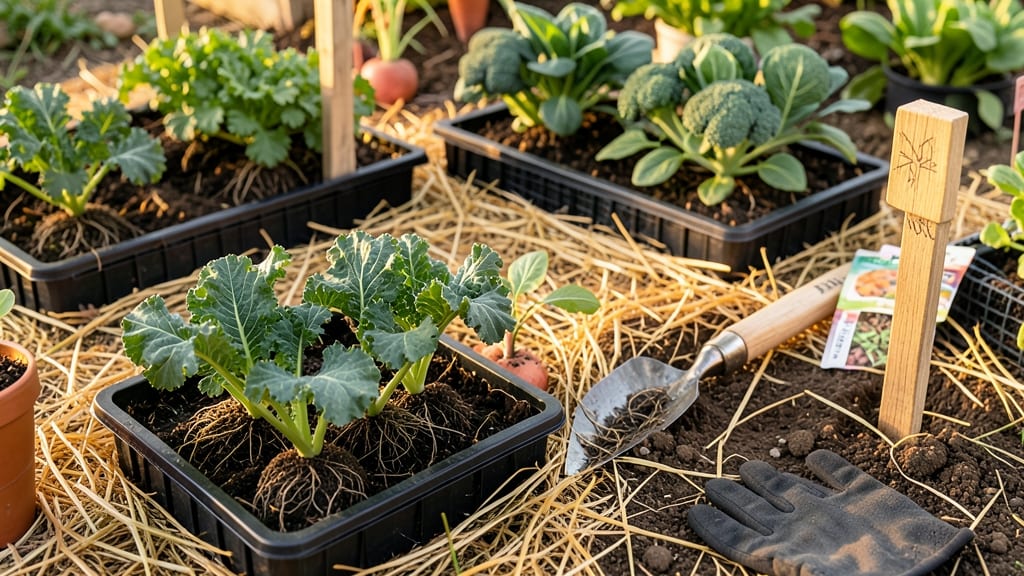
When to plant a fall garden in Zone 7 isn’t just about throwing seeds in the dirt—it’s your golden ticket to a harvest that rivals spring’s best. With just 6 weeks before frost, timing becomes everything, and one wrong move means bitter greens or wasted effort.
Picture this: crisp kale 🥬 still standing tall in November, carrots sweetened by cool nights, and broccoli heads forming like little green jewels. That’s the magic of a well-timed fall garden—but it starts with knowing exactly when to plant.
Too early, and your lettuce bolts; too late, and frost steals your rewards.
I’ve spent years perfecting this in Zone 7’s 7a/7b climate, and what I’m about to share will help you avoid the most common mistakes. We’ll break down the exact planting windows for your favorite cool-season crops, plus how to stretch your harvest right up to winter.
Ready to turn your late-summer garden into a fall feast? Let’s dive into the simple rules that’ll keep your veggies thriving—even when the air gets chilly.

Zone 7 fall planting timeline: calculate your 6-Week pre-frost window
Timing your Zone 7 fall garden hinges on one critical number: the average first frost date. For most of Zone 7, this falls between October 15 (7a) and November 1 (7b).
To ensure a harvest, plant cool-season crops 6 weeks before frost—that’s your window to success. Miss this mark, and you’ll either face premature bolting or frost-damaged greens.
Start by checking your local USDA Zone 7 sub-region. Even a 10-mile shift inland can delay frost by 3-5 days. For example, Raleigh, NC (7a) typically sees frost by October 20, while Richmond, VA (7b) holds off until November 5.
Use these dates as your backward countdown—subtract 6 weeks to pinpoint your ideal planting window.
Here’s how to apply this rule: If your first frost is October 25, plant by September 10. But don’t stop there—soil temperature matters just as much. Cool-season crops like kale and spinach thrive when soil cools to 60–70°F.
Test your soil with a thermometer; if it’s still above 75°F, wait a week or two before sowing.
| Zone 7 Sub-Region | Avg. First Frost | Planting Window | Soil Temp. Goal |
|---|---|---|---|
| Zone 7a (e.g., Raleigh, NC) | October 15–20 | August 20–September 5 | 60–70°F |
| Zone 7b (e.g., Richmond, VA) | November 1–5 | September 10–20 | 60–70°F |
| Coastal Zone 7 (e.g., Norfolk, VA) | November 10–15 | September 25–October 5 | 55–65°F |
🌱 Pro Tip: Use row covers to extend your window by 2–3 weeks.
Now, let’s talk crop maturity.
Not all vegetables play by the same rules. Fast growers like lettuce and radishes (30–40 days) can be sown as late as September 15 in Zone 7a, while slower varieties like broccoli or carrots (60–90 days) need to be in the ground by mid-August.
Always check seed packets for days to maturity—this is your golden metric.
One common mistake is planting warm-season crops like tomatoes or peppers in early fall. These bolt or rot in cool soil. Instead, swap them for cool-season champions like kale, spinach, or turnips. These thrive in 50–60°F soil and shorter daylight, making them perfect for fall’s lengthening nights.
For succession planting, stagger your sowings every 2 weeks to ensure a continuous harvest. For example, plant baby spinach on August 15, August 30, and September 15—this way, you’ll have fresh greens through November.
Use a gardening journal to track planting dates and harvest yields; it’s your secret weapon for refining next year’s schedule.
Don’t overlook microclimates in your yard. A south-facing slope warms up faster and may stay frost-free 10 days longer than a north-facing bed. Use this to your advantage: plant heat-loving crops like peas or arugula in warmer spots and cold-hardy greens in cooler areas.
A 5-gallon bucket of water painted black and buried near plants can also delay frost by radiating heat at night.
Finally, monitor local forecasts in late September. If a hard freeze is predicted, rush to harvest sensitive crops like basil or beans before temperatures drop below 32°F. For hardy crops, use row covers or mulch to protect them through light frosts (28–32°F).
With these strategies, you’ll turn Zone 7’s fall chill into your harvest advantage.
Remember: Perfect timing isn’t about guesswork—it’s about data + adaptability
Zone 7 fall planting timeline: calculate your 6-Week pre-frost window
Determining the perfect time to plant your Zone 7 fall garden starts with understanding your first frost date. In Zone 7, this typically lands between mid-October (7a) and early November (7b).
The golden rule? Plant cool-season crops 6 weeks before frost to ensure a full harvest before temperatures drop.
For example, if your first frost is October 15th, your last planting window would be early September. But don’t panic—this timeline is flexible! Adjust based on your crop’s maturity time and local microclimates (e.g., urban areas may frost earlier than rural spots).
Zone 7 Fall Planting Summary Table
| Crop Category | Planting Window | Days to Maturity | Frost Tolerance |
|---|---|---|---|
| Leafy Greens (Lettuce, Spinach) | Late July–Early September | 30–50 days | Moderate (28°F) |
| Root Veggies (Carrots, Radishes) | Mid-August–Late September | 40–70 days | High (20°F) |
| Brassicas (Broccoli, Kale) | Early August–Mid-September | 50–80 days | Very High (15°F) |
| Herbs (Cilantro, Parsley) | Late July–Early October | 45–60 days | Moderate (25°F) |
*Adjust planting dates 1–2 weeks earlier for high-altitude Zone 7a areas or later for coastal 7b regions.
Pro tip: Use a heat unit calculator (like the one from your local Cooperative Extension Service) to fine-tune dates. For instance, carrots need 1,000–1,200 growing degree days to mature—plant them when your soil is still warm but cooling rapidly.
Common mistakes? Planting slow-maturing crops like cabbage too late or ignoring soil temperature (ideal for fall crops is 45–75°F). Test your soil’s warmth with a soil thermometer—if it’s below 50°F, wait a week or two.
For Zone 7b gardeners (like those in Raleigh or Richmond), you’ve got a slightly longer window—aim for late August to early October plantings. Meanwhile, Zone 7a growers (e.g., Asheville or Roanoke) should start earlier, around mid-July to early September.
Remember: The 6-week rule is your safety net, but don’t be afraid to experiment! Some crops, like spinach or radishes, can handle light frosts and may even taste sweeter after a 28°F chill. Happy planting! 🌱