
Planting
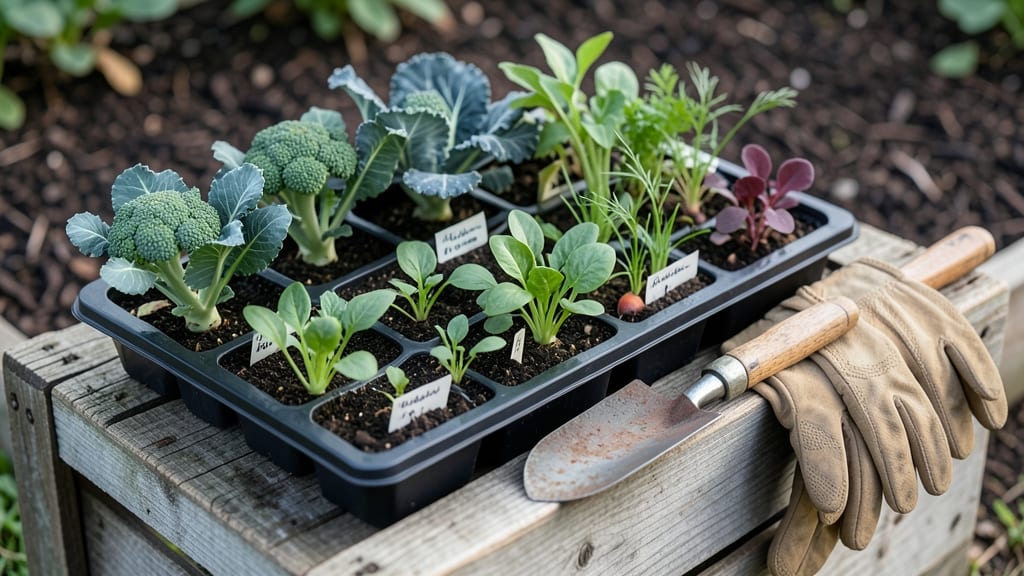
Timing your fall garden in Texas isn't just about avoiding frost—it's about beating the heat while giving your plants the perfect window to thrive.
If you plant too early, your seedlings will wilt under 100°F afternoons, but wait too long, and a sudden freeze could end your harvest before it starts.
What most gardeners don’t realize is that Texas’s three distinct regions—North, Central, and South—have wildly different deadlines for fall planting.
In North Texas, you might have just 6 weeks between the last safe planting date and the first frost, while South Texas gardeners can stretch that timeline by nearly 2 months. Without knowing these county-specific windows, you’re basically playing Russian roulette with your garden.
But here’s the good news: with the right strategy, you can grow cold-hardy greens, sweet potatoes, and even broccoli that’ll keep producing well into winter.
I’ll walk you through the exact planting dates by region, plus the top 5 crops that perform best in Texas’s fall conditions—and how to protect them when temperatures drop.
Whether you’re a beginner or a seasoned gardener, these insights will help you plan a fall garden that doesn’t just survive the season but outperforms your spring planting. Let’s get those seeds in the ground at the perfect moment.
Texas county-by-county fall planting deadlines: avoid frost and heat risks
Timing your fall garden in Texas depends on your county’s microclimate—North Texas freezes earlier than South Texas, and Central Texas sits right in between. Missing these planting windows means struggling with either scorching August heat or early November frost.
Let’s break down the critical deadlines by region to help you plan.
For North Texas (USDA Zones 7-8), your last planting window closes by mid-August for most cool-season crops. Counties like Dallas, Tarrant, and Collin often see their first frost by mid-November, so aim to have seedlings established by late July to early August.
In Central Texas (Zones 8-9), you’ve got a little more flexibility—late August to early September works for most varieties, with frost typically hitting by late November.
Meanwhile, South Texas (Zones 9-10) gardeners can push planting until mid-September, thanks to milder winters. Counties like Hidalgo, Cameron, and Nueces rarely see frost before January, giving you a longer growing window. However, even here, heat-sensitive crops like lettuce need to be in the ground by mid-August.
🌱 Texas Fall Planting Deadlines by Region
| Region | Key Counties | Last Planting Window | Avg. First Frost | Heat-Tolerant Crops |
|---|---|---|---|---|
| North Texas | Dallas, Tarrant, Collin | Mid-August | Mid-November | Kale, Swiss Chard, Radishes |
| Central Texas | Travis, Williamson, Bell | Late August–Early Sept | Late November | Spinach, Carrots, Broccoli |
| South Texas | Hidalgo, Cameron, Nueces | Mid-September | January | Collard Greens, Turnips, Lettuce |
💡 Pro Tip: Use row covers or black plastic mulch to extend your fall harvest by 2-3 weeks in colder zones.
If you’re in a transition zone (like East Texas or the Hill Country), check your local AgriLife Extension office for precise frost dates. For example, San Antonio (Bexar County) typically sees frost by mid-November, while Austin (Travis County) holds off until late November.
These microclimate differences can mean the difference between a bountiful harvest and a failed crop.
For heat-loving crops like okra or sweet potatoes, you can plant as late as September in most of Texas, but they won’t survive frost. Instead, focus on cool-season staples like broccoli, kale, and radishes for your late-summer to early-fall plantings.
These varieties thrive in 60-70°F soil and can handle light frosts.
One critical mistake I’ve seen gardeners make is planting slow-to-mature crops too late. For example, cabbage takes 80-100 days to harvest, so if you plant it in early September in North Texas, frost will likely ruin your crop.
Stick to fast-growing varieties like bush beans or turnips (ready in 30-40 days) for late plantings.
To maximize your fall garden, start with transplants instead of seeds for cool-season crops. Nurseries often carry 6-week-old seedlings of broccoli, cauliflower, and cabbage by mid-July, giving you a head start before the first frost.
If you’re growing from seed, direct-sow radishes, lettuce, and spinach 6-8 weeks before your first frost date.
Don’t forget to harden off seedlings before transplanting. Move them outdoors for a few hours daily starting 1-2 weeks before planting to help them adapt to Texas heat. This simple step boosts survival rates and ensures your fall garden thrives despite the changing temperatures.
For urban gardeners in cities like Houston or San Antonio, heat islands can delay frost by 1-2 weeks. Use this to your advantage by planting a few days later than rural areas.
However, be prepared to protect tender plants with row covers or cloche tunnels if cold snaps hit early.
Finally, keep an eye on the 10-day forecast in late September. If a cold front is predicted, rush to plant fast-maturing crops like radishes or arugula to harvest before frost. With
Texas county-by-county fall planting deadlines: avoid frost and heat risks
Texas's diverse climate means fall planting deadlines vary wildly—from North Texas's early freezes to South Texas's lingering warmth. Missing these windows risks heat stress or frost damage before harvest.
For example, Dallas County has a first frost average of November 15, while Houston County often stays frost-free until December 10. Knowing your USDA Hardiness Zone (6a-10a) helps narrow down timing.
Start by checking your local average first frost date—this determines your last planting window. Most cool-season crops need 60-90 days to mature, so count backward from frost.
For instance, if frost hits November 15, plant leafy greens by early August and root vegetables by mid-September. Heat-tolerant varieties like Malabar spinach or Okra can stretch deadlines by 2-3 weeks.
| Region | First Frost Avg. | Last Planting Window | Heat-Tolerant Crops |
|---|---|---|---|
| North Texas (Dallas, Fort Worth) | Nov 10–15 | Aug 1–Aug 15 (greens) Sep 15–Oct 1 (roots) |
Okra, Sweet Potatoes, Malabar Spinach |
| Central Texas (Austin, San Antonio) | Nov 20–Dec 5 | Aug 15–Sep 1 (greens) Sep 20–Oct 15 (roots) |
Collards, Black-Eyed Peas, Eggplant |
| South Texas (Houston, Corpus Christi) | Dec 10–Jan 5 | Sep 1–Sep 30 (greens) Oct 1–Nov 1 (roots) |
Kale, Turnips, Peppers (longer season) |
Microclimates play a huge role—urban areas like San Antonio often stay 5–10°F warmer than rural zones due to concrete heat retention. If you're in a warmer microclimate, push deadlines 1–2 weeks later.
Conversely, high-elevation areas (e.g., Hill Country) may need earlier planting. Use a minimum-maximum thermometer to track soil temps—ideal for seeds is 60–70°F, while transplants thrive at 50–60°F.
For succession planting, stagger seeds every 2 weeks to ensure a continuous harvest.
For example, plant bush beans on August 1, 15, and 30—this way, you’ll have fresh pods from September through November. Slow-bolting greens like turnip greens or mustard greens are perfect for this strategy, as they tolerate light frosts better than lettuce.
Don’t overlook soil prep—Texas clay can bake hard by mid-summer. Work in 2–3 inches of compost or aged manure 4–6 weeks before planting to improve water retention and drainage.
For sandy soils (common in East Texas), add peat moss to hold moisture longer. Mulch with straw after planting to keep roots cool and hydrated during September’s lingering heat.
Pro tip: Use row covers or cold frames to extend harvests by 2–4 weeks in North and Central Texas. These tools create a 5–10°F warmer microclimate, protecting delicate greens like spinach or arugula from early frosts. Just remove covers during daytime to prevent overheating.
Finally, monitor local weather forecasts for unusual cold snaps. In 2021, a record freeze hit Texas in February, but early fall frosts can also sneak in. Keep a garden journal to track your area’s actual frost dates—this helps refine future planting plans.
With these deadlines, you’ll avoid the double threat of scorching heat and premature frost, ensuring a bountiful fall harvest.