
Plants
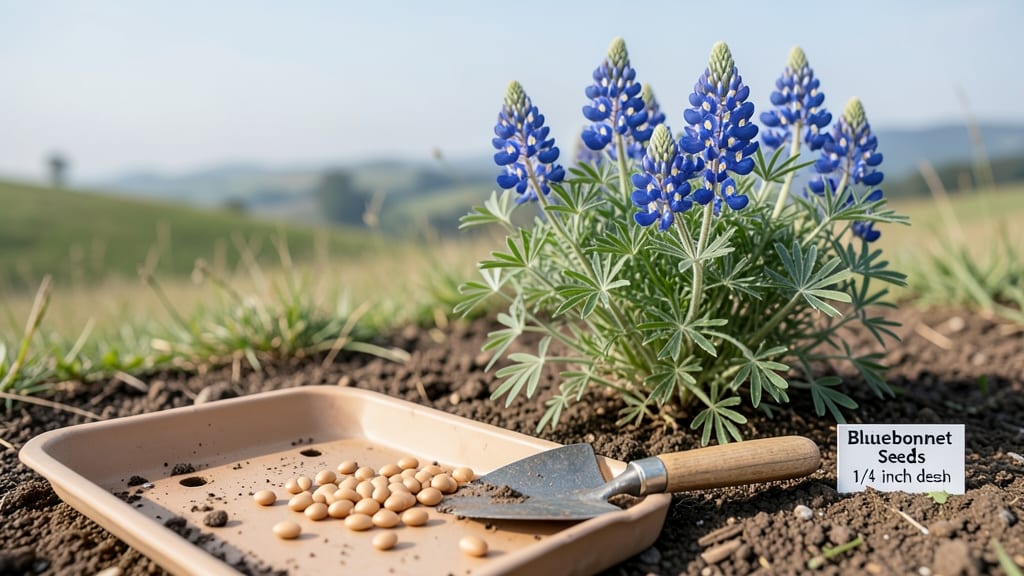
If you've ever driven through North Texas in spring and marveled at those stunning bluebonnet carpets 🌸, you know timing is everything—plant the seeds too early or late, and you might end up with patchy blooms or no flowers at all.
The ideal window for planting bluebonnet seeds in North Texas is late September to early November, but getting it right depends on your specific heat zone (7b-8a) and how you balance frost risks with germination needs.
In this guide, I'll break down exactly when to plant based on your location, how to prep your soil for success, and what to watch for to ensure those vibrant blue blooms take over your landscape next spring.
Whether you're a seasoned gardener or just starting out, these practical tips will help you avoid common mistakes and set your bluebonnets up for a show-stopping display.
North Texas bluebonnet planting timeline by frost-free heat zones
Timing your bluebonnet seeds correctly in North Texas means the difference between a vibrant spring carpet and a disappointing sparse display. The optimal planting window varies slightly by USDA heat zone (7b through 9a), with late September to early November being the sweet spot for most regions.
Bluebonnets thrive when planted in cool fall temperatures (50-60°F) before winter dormancy sets in. This stratification period mimics their natural growing cycle, ensuring strong germination when spring arrives. In Zone 7b, you’ll have a slightly longer window than in Zone 9a, where early frosts arrive sooner.
Here’s how to align your planting with North Texas frost-free zones for maximum success:
| USDA Zone | Last Frost Date | Ideal Planting Window | Soil Temp for Germination | Notes |
|---|---|---|---|---|
| 7b (Dallas, Waco) | Mid-November | Late September - Early November | 45-60°F | Longest window; can extend to mid-November in mild years. |
| 8a (Fort Worth, Austin) | Early November | Mid-September - Late October | 40-55°F | Urban areas may need earlier planting due to heat islands. |
| 8b (San Angelo, Wichita Falls) | Late October | Late August - Mid-October | 40-50°F | Drier climates; water deeply after planting. |
| 9a (Lubbock, Abilene) | Mid-October | Early September - Early October | 35-45°F | Shortest window; prioritize early planting. |
For Zone 7b gardeners (like those in Dallas or Waco), aim to plant by November 1st to avoid winter dormancy before seeds germinate. In Zone 9a (e.g., Lubbock), rush to plant by October 1st—delaying risks seeds drying out or freezing before sprouting.
Pro tip: Use a soil thermometer to confirm temperatures are between 40-60°F before planting. Cooler soils (35°F or below) can stunt germination, while warmer soils (>65°F) may cause seeds to sprout too quickly, stressing young plants during winter.
North Texas’ variable microclimates mean rural areas often have 2-3 weeks longer planting windows than urban heat islands. If you’re unsure of your exact zone, check the Texas A&M AgriLife Extension map or use the USDA Plant Hardiness Zone Map for precise guidance.
After planting, mulch lightly with straw to retain moisture and protect seeds from winter temperature swings. Avoid heavy mulch, which can smother emerging seedlings. With the right timing, your bluebonnets will reward you with spring blooms by March or April.
🌸
How to time bluebonnet seeds for peak spring blooms
Timing your bluebonnet seeds correctly ensures vibrant spring blooms that carpet North Texas roadsides and gardens. The key lies in soil temperatures between 40-60°F, which triggers germination while avoiding summer heat or winter dormancy.
Urban areas like Dallas may have warmer microclimates than rural spots in Zone 7b, so adjust your window accordingly.
For peak blooms, aim to plant seeds 6-8 weeks before your area’s first frost. In most of North Texas, this means late September to early November.
Seeds need consistent moisture but won’t tolerate soggy soil—think of it as a dry spell with occasional light watering to keep them from drying out completely.
Here’s how to fine-tune your timing based on local conditions:
- Soil Temperature Check
Use a soil thermometer to confirm 40-60°F soil temps. Plant only when temps consistently stay in this range for 3-5 days. Cold soil (below 40°F) delays germination, while warm soil (above 60°F) can cause seeds to dry out.
- Moisture Balance
Water lightly after planting to settle seeds, then reduce watering to prevent rot. Bluebonnets thrive in well-draining soil—amend clay soil with compost or sand if needed. Aim for 1 inch of water per week during germination.
- Urban vs. Rural Adjustments
Urban areas (e.g., Dallas/Fort Worth) may stay warmer longer, so plant slightly later (early October). Rural zones (e.g., near Wichita Falls) can get colder faster—plant by mid-September to avoid early frost risks.
- Post-Planting Care
Mulch lightly with straw to retain moisture and suppress weeds, but avoid thick layers that smother seeds. No fertilizer is needed at planting—bluebonnets fix their own nitrogen. Once sprouted, minimal watering encourages deep root growth.
Pro tip: Mark your planting date on a gardening calendar to track progress. Bluebonnets may take 2-3 weeks to germinate, so patience pays off. If you miss the fall window, early spring planting (February) is possible but yields fewer blooms due to summer heat stress.
Remember, bluebonnets are wildflowers—they thrive with minimal intervention. The right timing ensures they’ll reward you with months of blue blooms from March through May, turning your garden into a Texas roadside dream. 🌸