
Plants
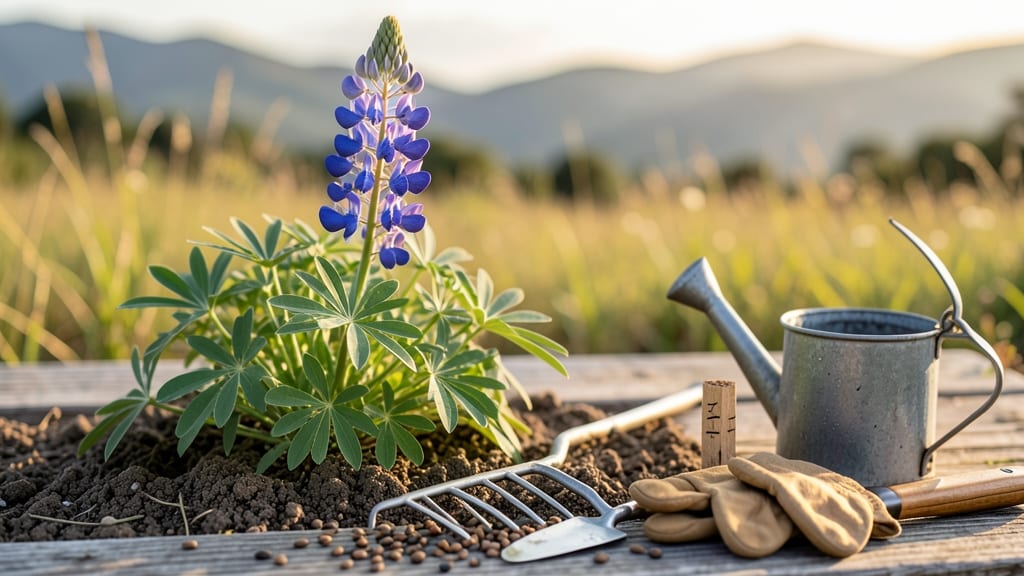
If you've ever dreamed of seeing Austin's hills blanketed in iconic bluebonnet 🌸 blooms, timing your seed planting is the game-changer. The difference between a vibrant spring display and a disappointing patch of dirt often comes down to when you plant—especially in Austin's unique 8a-9a climate.
Most gardeners assume spring is the best time, but here's the truth: fall planting (September through November) gives bluebonnets the perfect head start. Why? Because cooler temperatures and winter rains create ideal germination conditions, while summer heat can actually kill seeds before they sprout.
I've helped countless Austin gardeners transform their landscapes with these wildflowers, and the most successful results always come from planting in that critical fall window. Let me show you exactly what to do—and when—to ensure your bluebonnets thrive next spring.
From soil prep to post-planting care, we'll cover all the Austin-specific tips you need to know. Ready to turn your yard into a bluebonnet paradise? Let's get started.
Best months to plant bluebonnet seeds in Austin’s climate zone
If you’ve ever dreamed of waking up to your yard blanketed in vibrant bluebonnets, timing is everything. Austin’s USDA Zone 8a/8b climate creates a unique window for planting these Texas natives.
The absolute best time to sow bluebonnet seeds is during fall months (September through November), when soil temperatures drop to the ideal 50-60°F range for germination.
Fall planting gives seeds a head start on root establishment before winter, while avoiding the intense summer heat that can bake seeds before they sprout. This method also aligns with Austin’s natural rainfall patterns, providing just enough moisture to trigger germination without over-saturating the soil.
Here’s why September-October is the gold standard for Austin gardeners: cooler temperatures reduce stress on emerging seedlings, and the first significant rains of fall help wash seeds into the soil. By November, you’ve still got time for seeds to establish roots before dormancy sets in.
| Planting Window | Soil Temp | Rainfall | Germination Time |
|---|---|---|---|
| September | 60-70°F | Moderate | 4-6 weeks |
| October | 50-60°F | Increasing | 3-5 weeks |
| November | 40-50°F | High | 6-8 weeks |
| Spring (Feb-March) | 60-75°F | Low | 8-12 weeks |
While fall is ideal, you can still plant in late winter (February-March), though success rates drop. Spring-planted seeds often struggle with competing weeds and may require more frequent watering. If you miss fall, aim for early February before temperatures rise above 70°F consistently.
Pro tip: Austin’s elevations vary dramatically—higher areas like West Lake Hills cool faster than downtown. Adjust your planting by 1-2 weeks later if you’re in cooler microclimates. Always check the 30-day forecast before sowing to avoid planting before expected rains.
For maximum impact, plan to see blooms 120-150 days after planting. Fall-sown seeds typically bloom in March-April, while spring plantings may not flower until late spring. The earlier you plant in fall, the sooner you’ll enjoy those iconic blue carpets.
Remember, bluebonnets are perennials, meaning they’ll return year after year if planted correctly. The first year’s blooms establish the plants for decades of color—making precise timing in your first planting critical for long-term success.
🌸
Best months to plant bluebonnet seeds in Austin’s climate zone
Austin’s USDA Zone 8a/8b climate creates the perfect conditions for bluebonnets—but only if you plant at the right time. The ideal window is late summer through early fall, when soil temperatures drop below 90°F and summer’s brutal heat subsides.
This timing ensures seeds germinate before winter dormancy sets in, giving them a head start for spring blooms.
Fall planting (September through November) is the gold standard for Austin gardeners. Why? Because bluebonnet seeds need consistent moisture and cool soil temperatures (50-60°F) to sprout.
Planting too early (like in August) risks seeds drying out in the heat, while waiting until December may expose them to early frost, stunting growth.
| Month | Best Planting Window | Soil Temp | Notes |
|---|---|---|---|
| August | Late August (after 8/15) | 85-90°F | Risk of drought; water deeply |
| September | Entire month | 75-85°F | Optimal for germination |
| October | Early October | 60-75°F | Best success rate |
| November | Early November | 50-60°F | Last chance before frost |
| December | Not recommended | Below 50°F | High frost risk |
Spring planting is possible but far less reliable. If you must plant in spring, aim for February—but expect slower germination and fewer blooms. Austin’s unpredictable rainfall and sudden heat waves in March can stress young seedlings, making fall the safer bet for consistent results.
Pro tip: Scatter seeds lightly on prepared soil (no need to bury them deeply) and press them into the ground. Bluebonnets thrive in well-draining soil, so avoid compacted or clay-heavy areas. A light mulch of straw can help retain moisture during Austin’s dry fall months.
For maximum impact, plant in large drifts rather than rows. This mimics their natural growth patterns and creates those stunning blue waves you see across Texas highways. Just remember: patience is key—bluebonnets may take 2-3 years to reach their full, vibrant display.
🌱