
Plants
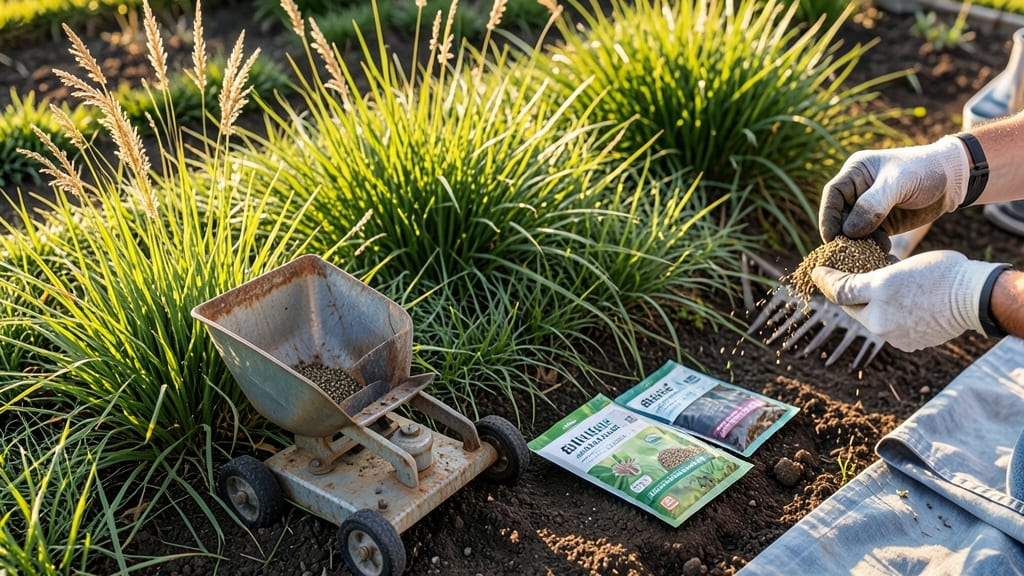
Planting your 🌱 turfgrass from grass seed in Missouri at the wrong time can mean the difference between a lush, green lawn and months of patchy, struggling growth.
The key to success lies in understanding when should you plant grass seed in Missouri—because timing isn’t just about the calendar; it’s about soil temperatures, frost dates, and regional microclimates that vary even within the state.
Most gardeners know spring and fall are ideal, but Missouri’s 5b-6b USDA zones demand precision. Plant too early, and frost will kill your seedlings. Plant too late, and summer heat will stress them before they take root.
I’ll break down the exact windows for northern vs. southern Missouri, so you can avoid common mistakes and give your lawn the best possible start.
Beyond dates, soil prep and moisture play critical roles. You’ll learn how to test soil readiness, adjust for unpredictable weather, and choose the right grass type for your area—whether you’re dealing with cool-season tall fescue or warm-season Bermuda. Let’s get your lawn off to a strong, resilient beginning.
With the right timing and care, your 🌱 turfgrass can establish deep roots in as little as 2-4 weeks—setting you up for a lawn that stays green year-round. Ready to make this your best planting season yet?
Missouri’s best grass seed planting zones & dates by month
Timing your grass seed planting in Missouri depends on the USDA hardiness zones (5a-7a) and your region’s microclimate. Northern Missouri (zones 5a-5b) has earlier frosts, while southern Missouri (zones 6a-7a) enjoys longer growing seasons.
The best windows are early spring (March–April) and early fall (September–October), when soil temperatures are ideal for germination.
Missouri’s average last frost is around April 15, but late frosts can linger into May in northern areas. For fall planting, aim to finish 4–6 weeks before the first frost, typically by October 15.
Soil temperatures should be at least 50°F (10°C) for successful germination—use a soil thermometer to confirm.
Here’s a breakdown of optimal planting months by region, including soil prep tips and key temperature thresholds:
| Region | USDA Zone | Best Planting Months | Soil Temp Threshold | Key Notes |
|---|---|---|---|---|
| Northern Missouri | 5a-5b | April–May or September | 50–55°F (10–13°C) | Later frosts; use frost cloth if planting early. |
| Central Missouri | 6a | March–April or September–October | 55–60°F (13–16°C) | Balanced climate; ideal for cool-season grasses. |
| Southern Missouri | 6b-7a | February–March or October–November | 60–65°F (16–18°C) | Longer growing season; warm-season grasses thrive here. |
For northern Missouri, focus on cool-season grasses like tall fescue or Kentucky bluegrass, which germinate quickly in 50–55°F soil. In southern Missouri, warm-season grasses such as Bermuda or zoysia can be planted as early as February if soil warms fast.
Always test your soil’s pH (6.0–7.0) and drainage before planting.
Missouri’s spring planting should wrap up by mid-May to avoid summer heat stress, while fall planting should start by mid-September to allow roots to establish before winter. Use a soil thermometer to monitor temperatures—below 50°F delays germination, and above 85°F can scorch seeds.
Pro tip: Overseeding in late summer (August) can extend your lawn’s green season. Choose drought-tolerant varieties like fine fescue for southern regions or ryegrass mixes for northern areas. Always water lightly but frequently (2–3 times/day) for the first 2–3 weeks to keep seeds moist.
Missouri’s unpredictable weather means flexibility is key. Check the National Weather Service or your local extension office for frost advisories and adjust your timeline accordingly. For example, if late frosts push back your spring planting, switch to fall planting instead.
Once your grass reaches 3–4 inches tall, it’s ready for its first mowing. Set your mower blade to 3–4 inches to encourage deep root growth and shade out weeds. Avoid scalping (cutting too short), as this stresses the grass and leaves it vulnerable to disease.
🌱
How to adjust planting dates for Missouri’s unpredictable weather patterns
Missouri’s weather can throw curveballs—late frosts, sudden droughts, or heavy rains—making it tricky to nail down the perfect planting window. If you miss the ideal March-April or September-October slots, don’t panic.
With a few smart adjustments, you can still get your grass seed in the ground and thriving. The key is flexibility and preparation.
First, check your local frost-free date. Northern Missouri (USDA zones 5a-5b) typically sees its last frost around April 15, while southern regions (zones 6a-6b) may warm up by March 30.
Planting 4-6 weeks before the first frost ensures seedlings have time to establish roots before winter sets in.
⚠️ Missouri Weather Risks & Fixes
- Late Frost: Wait until soil stays above 50°F (10°C) for 5+ days. Use row covers if frost threatens.
- Drought: Water deeply 2x/day (morning/evening) until germination. Mulch with straw to retain moisture.
- Heavy Rain: Delay planting until soil dries to 1 inch deep. Rake seeds into topsoil to prevent washout.
Pro Tip: Sign up for local ag extension alerts (e.g., MU Extension) for real-time weather updates.
If you’re planting in fall, aim for late August to early September to give seeds time to germinate before the first frost. But if summer lingers, don’t rush—wait until soil temps drop below 80°F (27°C) to avoid stressing seedlings.
A soil thermometer (just $10) is your best friend here.
For delayed starts, consider a backup schedule. If spring planting gets pushed to May, switch to a warm-season grass like Bermuda or overseed with annual ryegrass for temporary coverage. These varieties tolerate heat better and can buy you time until cooler weather returns.
Finally, monitor soil moisture closely. Missouri’s clay-heavy soils can become waterlogged or bone-dry overnight. Test moisture by grabbing a handful of soil—if it crumbles easily, it’s ready for seeds. If it sticks together, wait a few days or water lightly to prep the bed.
With these adjustments, you’ll beat Missouri’s weather woes and still grow a thick, green lawn—no matter what Mother Nature throws your way. 🌱