
Companion Plants
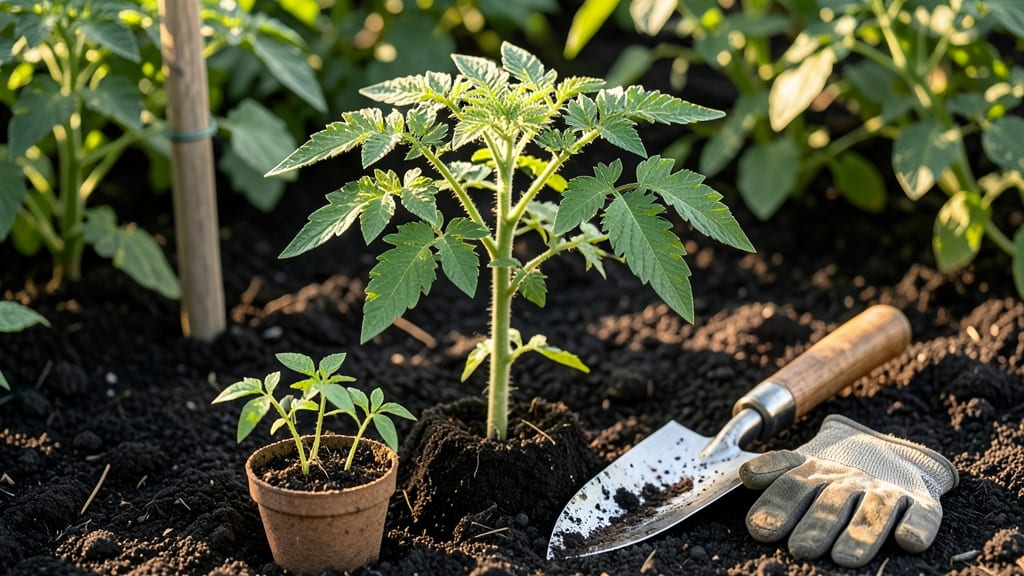
If you're asking "when should I plant tomatoes in Missouri", timing is everything—because those 🍅 plants won’t forgive a late start or an early frost.
Missouri’s USDA Zones 5b-6b mean you’ve got just 180 frost-free days to work with, and missing the window could leave you with sad, stunted plants or no harvest at all.
I’ve grown tomatoes in Missouri for years, and the difference between a bountiful harvest and a disappointing one often comes down to knowing exactly when to start seeds indoors, when to transplant seedlings, and how to adjust for those unpredictable spring weather swings.
Get this right, and you’ll be feasting on homegrown tomatoes from June through October.
Most Missouri gardeners start seeds indoors by March 1 to give them a head start, then transplant after the last frost—usually around April 15—but that date can shift based on your microclimate.We’ll break down the exact schedule, including how to protect your plants if late frosts sneak in or early heat arrives.
Ready to maximize your tomato yield? Let’s dive into the Missouri-specific planting calendar, frost dates, and pro tips to ensure your 🍅 plants thrive—no guesswork, just results. You’ll learn how to time it perfectly, even with Missouri’s tricky weather.
Missouri tomato planting calendar: frost dates, seed starting, and transplant windows
Missouri’s USDA Zones 5b-6a create a tricky balance for tomato growers—cool springs delay planting, while short summers demand early starts. The key is matching your seed-starting timeline to your last frost date, which typically falls between April 15 and May 1, depending on your county.
For example, St. Louis (Zone 6a) averages a last frost around April 20, while northern Missouri (Zone 5b) might wait until May 5.
Tomatoes thrive with 180 frost-free days, so planning ahead ensures you maximize your growing season. Whether you’re starting seeds indoors or buying transplant-ready seedlings, timing is everything. Let’s break down the exact windows for Missouri gardeners to avoid frost damage and late-season heat stress.
🌱 Did You Know? Missouri State University Extension recommends using a planting calendar that accounts for soil temperature—not just air temperature. Tomatoes need soil to reach at least 60°F before transplanting, which often happens 2-3 weeks after the last frost.
| Stage | Action | Missouri Timeline (Zone 5b/6a) |
|---|---|---|
| Indoor Seed Starting | Sow seeds 6-8 weeks before last frost | March 1-15 (Zone 6a) or March 15-April 1 (Zone 5b) |
| Seedling Care | Provide 12+ hours of light; harden off for 1 week | April 1-May 1 (harden off before transplanting) |
| Transplant Outdoors | After soil reaches 60°F and last frost date | April 20-May 15 (Zone 6a) or May 10-June 1 (Zone 5b) |
| Direct Sowing | For late varieties; plant after May 15 | May 20-June 1 (use row covers for frost protection) |
| Harvest Window | Peak production 60-90 days after transplant | June-October (earliest varieties ready by July) |
For early varieties like ‘Early Girl’ or ‘Stupice,’ aim to transplant by April 20 in Zone 6a to harvest by mid-July.
In Zone 5b, wait until May 10 to avoid frost damage. Indeterminate varieties (like ‘Better Boy’) need more time, so start seeds earlier and plan for cage support to handle their height.
Missouri’s unpredictable weather means you should also track soil temperature using a soil thermometer. Tomatoes won’t thrive if soil stays below 55°F at night. If your area experiences a late frost after transplanting, cover plants with frost cloth or a row cover until temperatures stabilize.
Pro tip: Use MU Extension’s Planting Calendar (available online) for your specific county, as microclimates can shift planting dates by 1-2 weeks. For example, urban areas like Kansas City may warm up faster than rural northern Missouri, giving you an earlier start.
If you’re short on time, transplant-ready seedlings from local nurseries (available by late April) can save you weeks of indoor growing. Just be sure to acclimate them for 5-7 days before planting to avoid transplant shock.
Remember, tomatoes love heat, so avoid planting too early—cool soil and air can stunt growth. The ideal transplant window in Missouri is when nighttime temperatures consistently stay above 50°F, usually late April to early May.
🌿 For a foolproof harvest, pair your planting schedule with succession planting: Sow a second batch of seeds 4-6 weeks after your first transplant to extend your harvest into October.
How to adjust your tomato planting schedule for Missouri’s unpredictable weather
Missouri’s weather can throw curveballs—one week of 60°F warmth can turn into a 30°F frost overnight. To protect your tomato seedlings and maximize your harvest, flexibility is key.
Start by monitoring your local last frost date, which typically falls between April 15 and May 1 across most of Missouri, but can vary by 1-2 weeks depending on microclimates.
If you’re planting in urban areas like St. Louis or Kansas City, expect slightly later frosts due to heat island effects. Rural areas in northwest Missouri (USDA Zone 5b) may face frost risks 2 weeks longer than southern regions.
Always check the Missouri Climate Center or your local Cooperative Extension Service for updates.
🚨 BELOW 🚨
🌡️ Missouri Frost & Heat Adjustments
❄️ Late Frost Protection: Use row covers or cloches if temps drop below 40°F after transplanting. Remove covers during the day to prevent overheating.
☀️ Early Heatwaves: If soil temps exceed 90°F, delay planting or use shade cloth to protect young seedlings. Mulch heavily to retain moisture.
🌱 Hardening Off: Acclimate seedlings to outdoor conditions 7-10 days before transplanting. Start with 2-3 hours/day and gradually increase exposure.
For early varieties, consider starting seeds indoors 6-8 weeks before your last frost date. This gives you a head start and allows you to transplant hardier seedlings as soon as soil warms to 60°F.
If you’re growing heirloom or late-maturing varieties, opt for direct sowing after May 15 to avoid transplant shock.
Missouri’s summer heat can also stress tomato plants. Choose heat-tolerant varieties like ‘Celebrity’ or ‘Heatmaster’ and provide afternoon shade during extreme heat (above 95°F). Drip irrigation and mulching with straw or black plastic will help regulate soil temperature and conserve moisture.
Keep a planting journal to track your local conditions. Note when you planted, any frost dates, and how your tomatoes performed. Over time, you’ll refine your schedule to match your specific microclimate, whether you’re in southeast Missouri’s humidity or central Missouri’s drier air.
With these adjustments, you’ll turn Missouri’s unpredictable weather into an advantage—producing healthier plants, earlier harvests, and longer fruiting seasons. Happy growing! 🌱