Planting
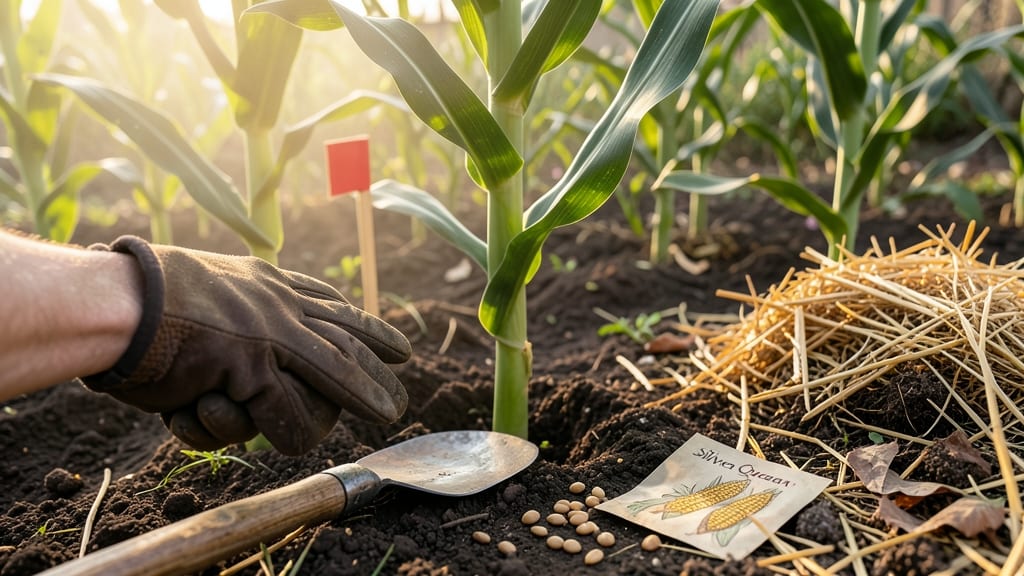
When to plant a vegetable garden in Iowa can mean the difference between a thriving harvest and a wasted season. The right planting window depends on more than just the calendar—it’s about understanding frost dates, hardiness zones, and how your local climate behaves. Whether you're a first-time gardener or a seasoned green thumb, getting this step right is the key to success.
Iowa’s hardiness zones (5a-6b) and unpredictable frost patterns make planning a challenge. Plant too early, and your seedlings could freeze; wait too long, and you might miss the growing season entirely.
The solution? A smart strategy that aligns with your region’s unique conditions, ensuring your 🌱 garden thrives from spring to fall.
In this guide, I’ll break down the exact months to plant your favorite vegetables, from cool-season greens to heat-loving tomatoes. You’ll learn how to adjust for early or late frosts, extend your growing season, and even troubleshoot common mistakes.
Let’s turn your Iowa garden into a bounty of fresh, homegrown produce—without the guesswork.
Ready to dig in? By the end, you’ll have a clear, actionable timeline tailored to Iowa’s climate. No more second-guessing—just a garden that grows like it’s supposed to.
Iowa frost dates & hardiness zones: the ultimate planting timeline
Iowa’s USDA hardiness zones 5a-6b and variable frost dates make timing critical for vegetable gardens. Northern Iowa (zone 5a) faces earlier frosts than southern areas (zone 6b), with average last frost dates ranging from April 15 in Des Moines to May 1 near Davenport.
These dates separate cool-season crops (like lettuce and peas) from warm-season plants (tomatoes, peppers) that need frost-free soil.
For cool-season vegetables, start seeds indoors 6-8 weeks before your last frost date. In Iowa, this means mid-February to early March for northern regions and late February for southern areas.
Direct sowing can begin 2-4 weeks before the last frost, typically late March to early April—but always check soil temperatures (40°F+ for peas, 50°F+ for spinach).
Warm-season crops like tomatoes, peppers, and corn require soil temperatures above 60°F and frost-free conditions. In Iowa, this usually means waiting until after May 15 in the north and after May 1 in the south.
Use soil thermometers to confirm—planting too early in cold soil stunts growth and invites disease.
Iowa’s first frost dates also vary dramatically: October 15-30 in the south to September 20-October 10 in the north. This means fall planting is viable for kale, carrots, and radishes, but warm-season crops must be started early or protected with row covers.
Here’s a quick reference for Iowa’s key frost dates by region:
| Region | Last Frost Date | First Frost Date | USDA Zone |
|---|---|---|---|
| Northern Iowa (Sioux City, Mason City) | April 15 - May 1 | September 20 - October 10 | 5a |
| Central Iowa (Des Moines, Ames) | April 20 - April 30 | October 1 - October 15 | 5b-6a |
| Southern Iowa (Iowa City, Davenport) | April 25 - May 10 | October 10 - October 25 | 6a-6b |
Pro tip: Use Iowa State University Extension’s frost date maps for your specific county—these accounts for microclimates like urban heat islands or hilltop frost pockets. For example, Des Moines’ average last frost is April 25, but a nearby valley might experience frost 2 weeks later.
For warm-season crops, calculate days to maturity backward from your first frost date. A 60-day tomato planted 90 days before frost ensures harvest before cold snaps. In Iowa, this means starting seeds indoors March 1-April 1 for northern areas and March 15-April 15 in the south.
Adjust for unpredictable Iowa weather: Even if frost dates suggest it’s safe, late spring frosts can still occur. Harden off seedlings gradually and keep row covers handy for tomatoes and peppers until June 1 in northern Iowa.
Remember: Soil temperature matters more than air temperature. Use a soil thermometer to confirm 50°F+ for peas and beans or 60°F+ for squash and cucumbers. Cold soil delays germination and stresses young plants.
Plan your planting schedule around Iowa’s two key windows: spring (April-May) for cool-season crops and late spring (May-June) for warm-season staples. With this timeline, you’ll avoid bolting greens and frost-damaged seedlings—and enjoy a harvest that rivals your neighbors’! 🌱
Best vegetables to plant in Iowa by season (with exact months)
Iowa’s short growing season means timing is everything. Cool-season crops like lettuce and peas thrive in spring and fall, while tomatoes and corn demand summer’s warmth. I’ve broken down the best planting months for Iowa’s top vegetables, including soil temperature tips to avoid common pitfalls like stunted growth or bolting.
For cool-season vegetables, start seeds indoors 4–6 weeks before your last frost date (typically late April to early May in most of Iowa). Hardy crops like spinach and kale can handle light frosts, but avoid planting them too early—cold, wet soil slows germination.
Warm-season crops, however, need to wait until soil temperatures hit at least 50°F (10°C) for most vegetables and 60°F (15°C) for heat-lovers like peppers.
🌱 Iowa Planting Calendar by Season
Plant in:
March–April (indoors)
April–May (outdoors)
August–September (fall)
Plant after last frost:
May–June (soil ≥50°F)
June–July (soil ≥60°F for peppers)
Every 2–3 weeks:
Lettuce, Radishes, Beans
June–August
Use a thermometer:
Cool crops: 40–65°F
Warm crops: 60–85°F
Let’s dive into the specifics. Tomatoes and peppers are Iowa staples, but they need warmth—plant them after Memorial Day (mid-May) in most regions.
For faster harvests, opt for early-maturing varieties like ‘Early Girl’ tomatoes or ‘Jupiter’ peppers, which tolerate Iowa’s brief summers better. Corn, another summer favorite, should go in the ground when soil is at least 60°F—usually late May to early June.
Don’t overlook fall planting! Many vegetables, like broccoli and carrots, perform well when sown in late July or August. These crops benefit from cooler fall temperatures and often produce sweeter harvests.
Just be mindful of your first frost date (typically mid-October in southern Iowa, early October in the north) and choose fast-maturing varieties to avoid winter’s chill.
Pro tip: Use row covers or black plastic mulch to warm soil faster in spring. This trick lets you plant warm-season crops 2–3 weeks earlier than the calendar suggests.
For example, I’ve started cucumber seeds under plastic in early May and had vines ready for harvest by June—beating the traditional schedule by weeks!
Adjust your planting based on Iowa’s microclimates. Southern Iowa (e.g., Des Moines) has longer frost-free seasons than northern areas (e.g., Sioux City). If you’re in Zone 5a, err on the side of caution and wait until mid-May for tomatoes.
In Zone 6b, you might push it to late April for early varieties.
Remember: Succession planting is your secret weapon. Instead of one big planting, sow lettuce or radishes every 2 weeks from May through July. This ensures a continuous harvest and prevents bolting from heat stress. With this strategy, I’ve enjoyed fresh greens from June through September—no gaps in my garden!