
Planting
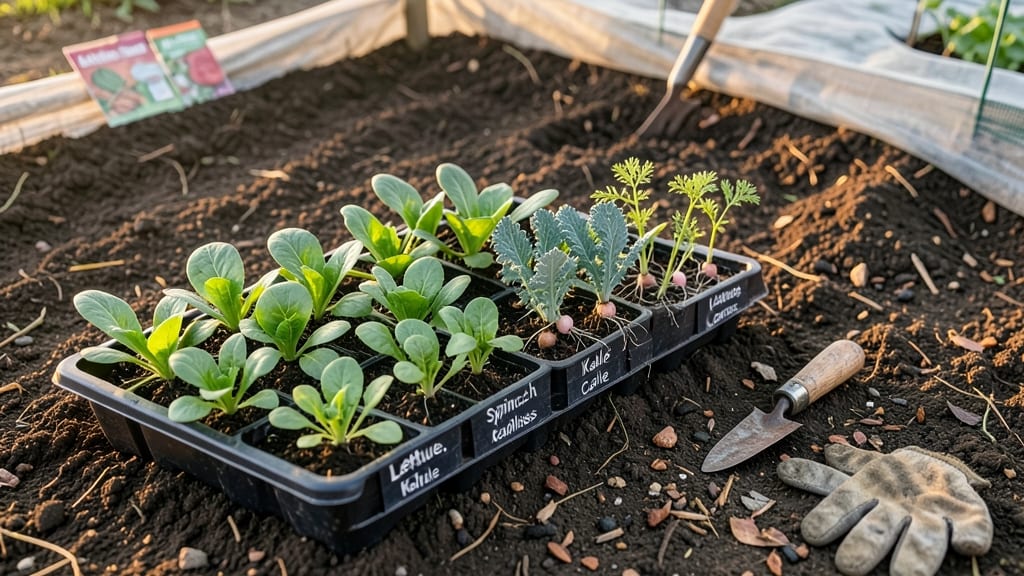
Timing when to plant a garden in Cleveland, Ohio, means the difference between a thriving harvest and a sad pile of frost-nipped seedlings. With USDA Zone 6a conditions and unpredictable spring weather, knowing exactly when to plant your 🌱 General Garden can feel like solving a puzzle.
Most gardeners here wait until mid-April to mid-May, after the last frost date (usually around April 15), but that’s just the starting point. The truth is, your planting window depends on what you’re growing—whether it’s heat-loving tomatoes or cold-hardy kale.
I’ll break down the perfect start dates for every crop so you can avoid common mistakes and maximize your growing season.
Even experienced gardeners in Cleveland make timing errors—planting too early and risking frost damage or waiting too long and missing the ideal harvest window. The key is understanding your microclimate, from urban heat islands to sheltered backyard spots, and how to adjust planting schedules accordingly.
Let’s get your garden off to the right start.
By the end of this guide, you’ll know not just when to plant, but how to protect your young plants from Cleveland’s notorious late frosts. Whether you’re a beginner or a seasoned gardener, these insights will help you grow a bountiful, stress-free garden—no guesswork required.
Cleveland Ohio planting calendar: best start dates by crop type
Cleveland’s USDA Zone 5b climate demands precision when planting—miss the window, and you risk frost damage or slow growth. Based on NOAA data, the average last frost date is April 15, but urban areas can vary by 1-2 weeks. Start planning now to maximize your harvest!
For cool-season crops like lettuce and peas, sow seeds 4-6 weeks before the last frost—typically mid-March to early April. These hardy plants thrive in 50-60°F soil and can handle light frosts.
Warm-season favorites like tomatoes and peppers need to wait until after May 15, when soil temps consistently stay above 60°F.
Don’t overlook fall planting—Cleveland’s mild autumn extends the season! Sow kale, radishes, and carrots by August 1 for a harvest before first frost (typically October 15). Use row covers to protect tender greens from early chills.
For container gardening, warm-season plants like peppers can go in pots by May 1, but move them indoors if night temps drop below 50°F.
Containers warm up faster than soil, so monitor closely. Herbs like basil are especially sensitive—plant them after Memorial Day when soil is reliably warm.
Pro tip: Use NOAA’s Frost/Freeze Tool to track local alerts. Cleveland’s Lake Erie effect can create microclimates—south-facing yards warm up 1-2 weeks earlier than shaded areas. Adjust your schedule accordingly!
If you’re new to gardening, start with fast-growing crops like radishes (30 days) or bush beans (50 days) to build confidence. These thrive in Cleveland’s short season and give instant gratification. Zucchini and cucumbers also produce quickly but need full sun and consistent water.
For long-season crops like tomatoes and peppers, begin seeds indoors by March 1 under grow lights. Transplant outdoors after May 15, using black plastic mulch to warm soil and suppress weeds. This gives them a 2-week head start on growth.
Remember: Cleveland’s 165 frost-free days are precious. Plan your garden layout to succession plant—replace early harvests (like lettuce) with fall crops to maximize space. Interplant radishes with carrots; radishes mature in 30 days, leaving room for slower carrots.
Finally, mark your calendar for September 1—this is the last chance to plant garlic for next year’s harvest! Break cloves and plant in well-draining soil; they’ll overwinter and produce scapes in early summer. 🌱
How to adjust planting times for Cleveland’s microclimates
Cleveland’s varied neighborhoods create microclimates that can shift planting windows by 1-3 weeks. Urban areas near Lake Erie stay cooler, while south-facing yards warm up faster. I’ve learned to adjust my schedule based on these factors—and you can too.
For urban gardeners, start cool-season crops like spinach or kale 2 weeks earlier than rural areas. The lake’s influence keeps temps 5-10°F cooler in spring. Meanwhile, elevated yards (like those on hills) warm up 10-14 days faster than valleys.
🌱
If your yard faces southwest, you can plant warm-season crops like beans or cucumbers 10 days earlier than north-facing spots. I test soil temps with a thermometer—aim for 60°F+ before planting heat-lovers.
For container gardens, adjust timing by 1-2 weeks earlier than in-ground plants. Pots heat up faster in sun but dry out quicker. Use self-watering containers to maintain moisture during Cleveland’s unpredictable spring showers.
Track your local frost dates using NOAA’s Cleveland weather station (KCLE). I set calendar alerts for April 15 (last frost avg) and October 15 (first frost avg), but I’ve seen late May frosts delay planting by weeks.
Even in Zone 5b, some years feel like Zone 6a—use these microclimate tweaks to maximize your growing season without risking frost damage. Start small, observe your yard’s patterns, and adjust yearly.