
Companion Plants
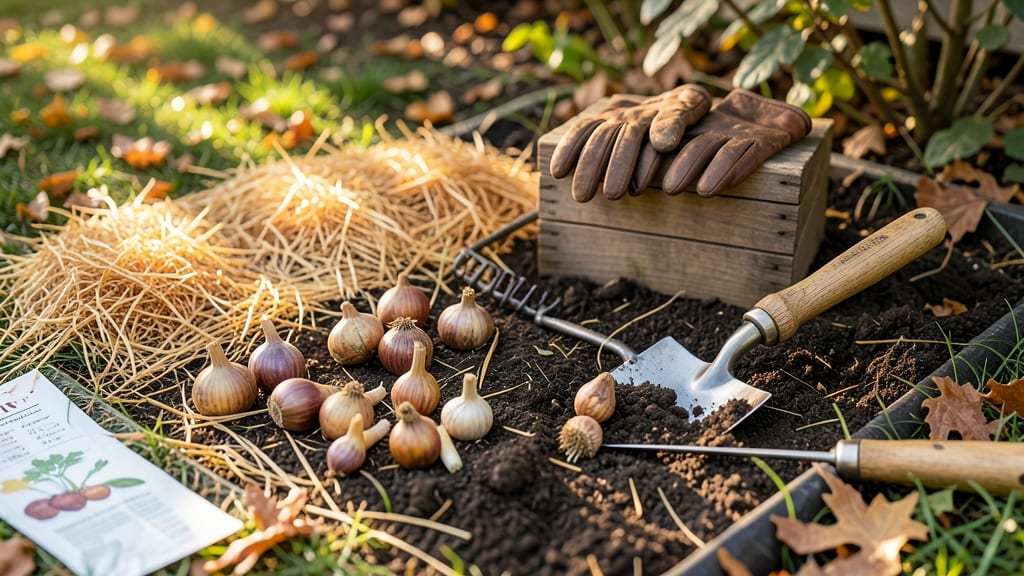
Planting bulbs in the fall is your secret weapon for a garden bursting with color next spring—but timing matters more than you think. Miss the window, and you’ll end up with flops instead of blooms.
Whether you’re in Zone 6a or beyond, knowing exactly when to tuck those 🌱 into the soil ensures they’ll thrive through winter and reward you with vibrant displays.
Most gardeners assume "fall" means any time after Labor Day, but the truth is far more precise. The 6-8 week rule before your first frost is your golden guideline—plant too early, and bulbs may sprout and freeze; too late, and they won’t establish roots.
I’ll break down the exact months for your region and the best chill-loving varieties to start with.
You’ll also discover how to prep your soil for success, what to watch for in weather forecasts, and why some bulbs (like daffodils) are tougher than others. No more guessing games—just a foolproof plan to turn your yard into a springtime paradise.
Ready to skip the trial-and-error? Let’s dive into the perfect planting schedule so you can enjoy those first blooms without a single worry.
Best fall planting months for bulbs by US hardiness Zone
Planting bulbs in the fall is all about timing—specifically, 6-8 weeks before the first frost. This window ensures bulbs establish roots before winter dormancy. But since frost dates vary by USDA hardiness zone, your planting schedule should too.
For example, gardeners in Zone 3 (like Minnesota) might plant as early as late August, while those in Zone 9 (like Southern California) can wait until December. Let’s break it down by zone to avoid missed opportunities or frozen bulbs.
Most bulbs—tulips, daffodils, crocus, and alliums—thrive when planted in cool but unfrozen soil. Aim for soil temperatures between 50-60°F. In warmer zones, this could mean planting in November or even December, while colder zones need to finish by mid-October.
Missing this window risks bulbs rotting in wet soil or drying out before winter. Pro tip: Check your local frost date and count backward to nail the perfect window.
Here’s how to adjust your planting schedule based on your USDA hardiness zone:
If you’re in a transitional zone (like Zone 7b), err on the earlier side. Early frosts can sneak up, and bulbs need time to root. For example, in Zone 7, aim for late September to early October.
Conversely, in Zone 9, you can plant daffodils and crocus as late as December, but avoid soggy soil during winter rains.
Some gardeners in warmer climates worry about bulbs sprouting too early. To prevent this, plant shallower (3x bulb height) and mulch heavily. For instance, grape hyacinths in Zone 9 might poke through in winter—just trim them back in spring for a cleaner look.
Don’t forget about late-season planting if you miss the ideal window. Many bulbs, like daffodils and crocus, can handle early winter planting (even January in mild zones), though they may bloom later.
Just avoid planting when the ground is frozen or waterlogged. A quick soil check with your finger—if it’s too cold or muddy, wait a few weeks.
For container gardening, the rules are similar, but you’ll need to adjust for potted soil drying out faster. Plant bulbs in containers by the same zone-specific deadlines, but use a well-draining mix and water lightly until frost.
In spring, move containers to bright, indirect light to encourage blooming.
One common mistake is planting too shallow. Bulbs need depth to insulate roots and prevent heaving during freeze-thaw cycles. As a rule, plant bulbs 2-3 times their height deep. For example, a 2-inch tulip bulb should go 4-6 inches deep. This ensures they survive winter undisturbed.
Finally, if you’re unsure about your frost date, use a local garden extension office or online tools like the USDA Plant Hardiness Zone Map.
These resources provide hyper-local advice tailored to your microclimate. With the right timing, your fall-planted bulbs will reward you with bold spring color year after year.
How to tell when soil conditions are perfect for fall bulb planting
Planting bulbs too early or too late in fall can ruin your spring blooms. The key is getting the soil temperature and moisture levels just right—too warm or dry, and your bulbs won’t root properly before winter.
Aim for 50-60°F soil temps and well-drained soil to prevent rot or dormancy issues.
Use a soil thermometer to check depth (6 inches down). If temps are above 60°F, wait a week or two—hot soil can trigger early growth that freezes. In Zone 5-7, this usually means planting by mid-October, while Zone 8-10 gardeners have until late November.
⚠️ Callout Warning ⚠️
⚠️ Common Mistake: Planting in frozen or waterlogged soil
Bulbs need 6-8 weeks to root before frost. If soil is rock-hard or soggy, roots can’t establish. Test by squeezing a handful—it should crumble, not stick together.
Fix: Amend clay soil with compost or sand and avoid planting after heavy rains.
Moisture is just as critical as temperature. Bulbs need consistent moisture to root but won’t tolerate soggy conditions. Water deeply 1-2 weeks before planting to prep the soil, then mulch with 2-3 inches of straw or leaves to retain moisture without suffocating roots.
Avoid mulching too early—wait until soil cools.
Watch for frost dates in your area. Plant bulbs 4-6 weeks before the first hard frost—this gives roots time to grow but leaves foliage dormant until spring.
For example, in Chicago (Zone 5), that’s mid-September to early October, while San Diego (Zone 10) can plant until December.
One final tip: Test your soil’s drainage by digging a 6-inch hole and filling it with water. If it drains in 1 hour, your soil is ideal. If it takes longer, amend with organic matter like compost or perlite. Poor drainage is the #1 reason bulbs rot over winter.
Timing your bulbs right means vibrant spring blooms with minimal effort. Keep an eye on those soil thermometers and frost forecasts, and your garden will thank you next year! 🌱