
Trees
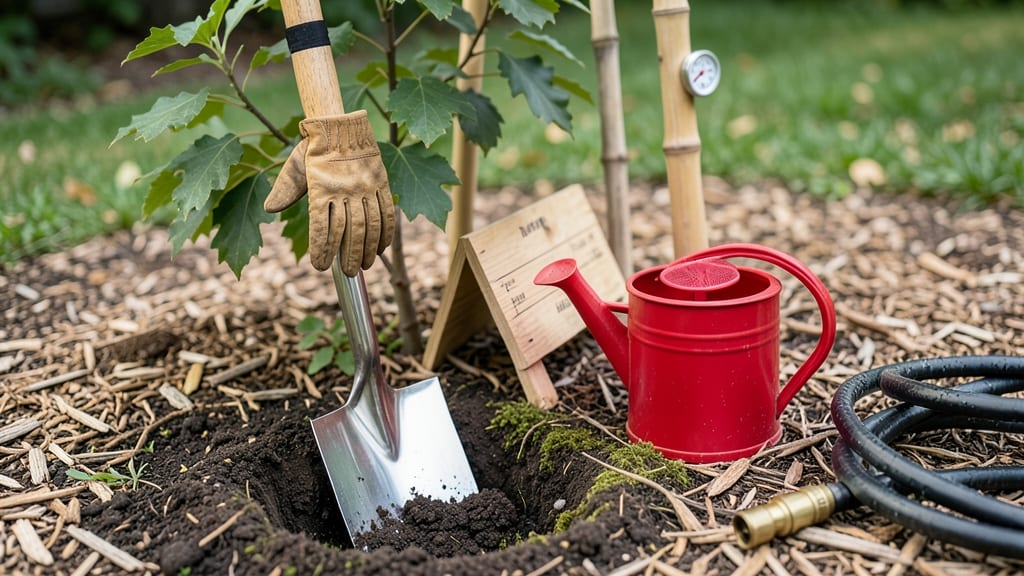
Planting a 🌳 tree in Wisconsin at the wrong time can mean the difference between a thriving shade provider and a sad, stunted investment.
The best time to plant trees in Wisconsin isn't just about avoiding frost—it's about giving your tree the perfect head start to establish strong roots before winter hits.
Most Wisconsin gardeners know fall is ideal, but did you know early spring works just as well? With USDA zones 4a-6b bringing unpredictable frost dates, timing matters more than you might think.
Whether you're planting a 10-foot sapling or a towering 120-foot oak, these windows create the conditions for long-term success.
I'll walk you through exactly when to plant—whether you're in northern Wisconsin's colder 4a zone or the milder 6b areas—and how to prepare your soil for maximum growth. No more guessing games about whether your tree will survive the winter.
Let's dive into the science behind Wisconsin's planting windows so you can plant with confidence and watch your trees grow strong for decades to come.
Wisconsin’s ideal tree planting windows: USDA zone 4B/5A deep dive
Wisconsin’s USDA Zones 4B and 5A bring short growing seasons and unpredictable frost dates, making timing critical for tree survival. The best times to plant are during early spring (April) or fall (September-October), when soil is workable but temperatures are mild.
This window allows roots to establish before winter dormancy or summer heat stress.
Spring planting (after last frost date, typically April 15 in most regions) gives trees 6-8 weeks of root growth before summer. Fall planting (by October 15) lets roots harden off before winter, reducing transplant shock.
Evergreens like spruce or pine prefer fall, while deciduous trees (oak, maple) adapt to either season.
🌱Key factors influencing timing include soil temperature (above 40°F), moisture levels, and tree species. Bare-root trees must be planted while dormant—never in freezing ground or during peak summer heat. Container-grown trees offer more flexibility but still thrive best in these windows.
Here’s a seasonal breakdown of Wisconsin’s planting windows, including soil conditions and tree types best suited for each period:
| Season | Ideal Planting Months | Soil Temp | Best Tree Types | Key Consideration |
|---|---|---|---|---|
| Early Spring | April | 40–50°F | Deciduous (oak, maple), fruit trees | Plant after last frost; water deeply |
| Fall | September–October | 50–60°F | Evergreens (spruce, pine), shade trees | 6–8 weeks before first frost; mulch heavily |
| Late Fall | November | Below 40°F | None (dormant trees only) | Avoid planting; risk of frost damage |
| Summer | June–August | 70°F+ | Container-grown only (stress risk) | High transplant shock; shade cloth required |
Wisconsin’s northern regions (Zone 4B) have shorter frost-free periods (120 days), so prioritize cold-hardy species like sugar maple or burr oak. Southern areas (Zone 5A) can extend fall planting into early November, but always check local frost dates—delaying past October 15 risks root freeze.
For bare-root trees, plant as soon as soil thaws in spring or while leaves are still 50% off in fall. Container-grown trees can handle summer planting but need daily watering and shade for the first 2 weeks.
Avoid planting during heatwaves or drought, as stressed trees struggle to establish roots.
🌳Pro tip: Use a soil thermometer to confirm temperatures are ideal. Aim for 50°F+ for spring and 40–60°F for fall. If soil is too cold or soggy, wait 1–2 weeks—patience prevents root rot and transplant shock.
Evergreens like white pine or Colorado blue spruce need well-draining soil to avoid winter desiccation. In clay-heavy Wisconsin soils, amend with compost or sand to improve drainage. For urban planting, choose smaller varieties like dwarf Korean lilac or serviceberry to avoid root competition with sidewalks.
Finally, mulch heavily (3–4 inches) after planting to retain moisture and insulate roots. In Zone 4B, add an extra 2 inches of mulch in winter to protect against temperature fluctuations. This simple step can mean the difference between a thriving tree and one that struggles for years.
Wisconsin’s ideal tree planting windows: USDA zone 4B/5A deep dive
Wisconsin’s USDA Zones 4B and 5A bring unique challenges for tree planting, with short growing seasons and harsh winters. The best times to plant are during the dormant periods—either early spring (April) or mid-to-late fall (September-October).
These windows allow roots to establish before extreme cold sets in or summer heat arrives.
Why these times? Spring planting (after the last frost, typically mid-April) gives trees 6-8 weeks of active growth before winter. Fall planting (before the first frost, usually early October) lets roots grow in cool soil while the tree remains dormant, reducing transplant shock.
Both strategies help trees outperform those planted in summer or late winter.
| Planting Window | Key Conditions | Best For | Wisconsin Timeline |
|---|---|---|---|
| Early Spring (April) | Soil thawed, last frost passed | Bare-root trees, deciduous species | After April 15 (Zone 4B) / April 5 (Zone 5A) |
| Mid-to-Late Fall (Sept-Oct) | 6-8 weeks before first frost | Container-grown trees, evergreens | Before Oct 5 (Zone 4B) / Oct 25 (Zone 5A) |
| Avoid: Summer (June-Aug) | High heat, drought stress | All species (high mortality risk) | N/A (except emergencies) |
For deciduous trees like oak or maple, spring is ideal because they leaf out quickly after dormancy. Evergreens, such as spruce or pine, prefer fall planting—their needles stay green year-round, so they handle transplant stress better in cooler months.
Always check your specific microclimate; urban areas may warm up faster than rural zones.
Wisconsin’s clay-heavy soils can become waterlogged in spring or dry out too quickly in fall. Amend planting holes with compost or sand to improve drainage. Mulch heavily (3-4 inches) to protect roots from temperature swings and retain moisture.
This is especially critical for young trees, which lack established root systems to regulate their own temperature.
Pro tip: If you must plant in late fall (November), choose hardy species like serviceberry or hackberry and protect the root ball with extra mulch. Avoid planting in winter—frozen ground prevents root growth, and dormant trees are vulnerable to winter burn or deer browsing.
Timing isn’t the only factor—tree health depends on soil prep, species selection, and post-planting care. Next, we’ll cover how to prepare your site for Wisconsin’s tough conditions and choose the right trees for your yard’s microclimate. 🌳