
Trees
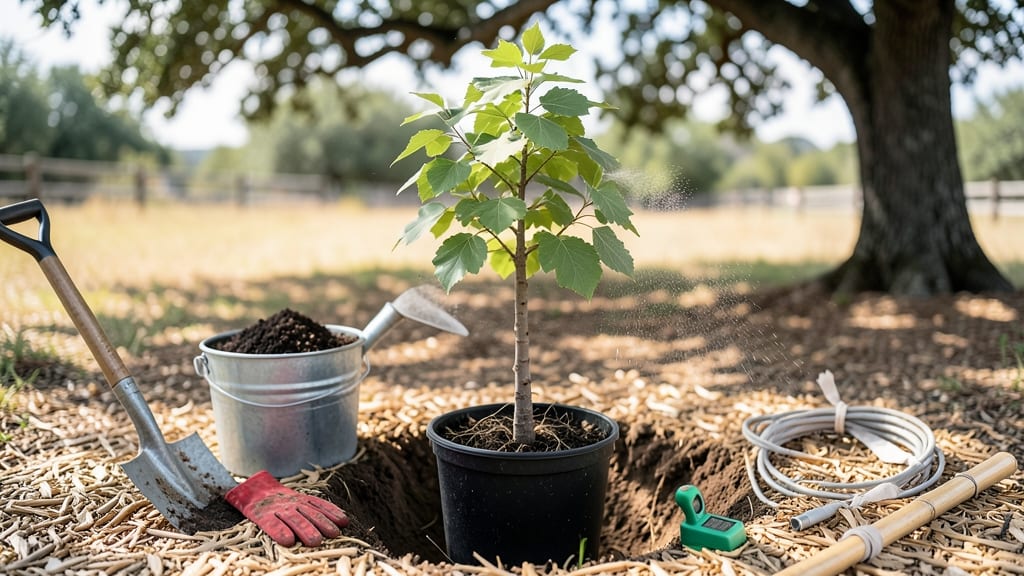
If you’ve ever planted a 🌳 in North Texas only to watch it struggle through scorching summers or freeze-sensitive winters, you’re not alone—and the key to success lies in knowing when is the best time to plant trees in North Texas.
The truth is, timing is everything when it comes to planting trees in this region—get it right, and you’ll see faster growth and stronger roots within just a few seasons.
North Texas' unique climate—spanning USDA zones 7b-8a—means the best planting windows are short but critical. Fall and early spring offer the perfect balance of cooler temperatures and moisture, giving young trees the best chance to establish themselves before extreme heat or cold sets in.
Whether you're planting a towering oak or a compact shade tree, knowing exactly when to dig in the soil can make all the difference. I'll break down the optimal months for different tree varieties, so you can avoid common mistakes and set your trees up for long-term success.
Ready to transform your landscape with thriving trees? Let's dive into the science-backed secrets that will help your 🌳 take root and flourish—no matter what North Texas throws your way.
Best months to plant trees in North Texas by climate zone
North Texas spans three distinct climate zones—North, Central, and West—each with unique temperature swings and moisture patterns. Planting trees at the wrong time can lead to transplant shock or stunted growth, but choosing the right window ensures your tree thrives.
The ideal planting months are October-November (fall) and February-March (early spring), when soil is moist but not frozen, and temperatures are mild.
Fall planting is often preferred because the cool weather reduces stress on roots, while spring planting allows trees to take full advantage of the growing season. However, North Texas’ microclimates mean timing can vary slightly by region.
For example, West Texas may need to plant earlier in fall to avoid early freezes, while North Texas’ cooler areas can extend spring planting into April.
Here’s how to align your planting schedule with North Texas’ USDA Hardiness Zones 7b-8a and local conditions:
| Zone | Best Planting Months | Temperature Range | Soil Moisture | Key Consideration |
|---|---|---|---|---|
| North Texas (Denton, Collin) | October–November, February–March | 50–75°F (10–24°C) | Moderate (fall rains) | Avoid early freezes (Nov) |
| Central Texas (Fort Worth, Arlington) | September–October, February–March | 55–80°F (13–27°C) | Variable (dry spells) | Water deeply post-planting |
| West Texas (Amarillo, Lubbock) | August–September, February–March | 45–70°F (7–21°C) | Low (drought-prone) | Use mulch to retain moisture |
For bare-root trees, the window is narrower—plant them in late fall (November) or early spring (February) before buds break. Container-grown trees offer more flexibility but still benefit from cooler temperatures to reduce stress.
Always check local frost dates (typically November 15 for first frost and March 15 for last frost) to avoid planting too late in fall.
In North Texas’ urban areas, like Dallas or Plano, heat islands can extend the growing season slightly, but avoid planting during summer heatwaves (June–August). The soil temperature should be above 50°F (10°C) for roots to establish properly. Use a soil thermometer to check if unsure.
Pro tip: Amend your soil with compost or organic matter 4–6 weeks before planting to improve drainage and nutrient availability. This is especially critical in clay-heavy soils common in North Texas, which can suffocate roots if not prepared.
If you miss the ideal window, spring planting (April) is still viable for fast-growing species like Crape Myrtle or Chinese Pistache, but be prepared to water deeply and mulch heavily to compensate for the heat.
Evergreens, like Live Oak, are more forgiving and can handle late spring planting if given extra care.
For native trees, such as Eastern Red Cedar or Texas Mountain Laurel, timing aligns with their natural growth cycles. These species thrive when planted in fall or early spring, mirroring when they’d naturally sprout in the wild.
Always research your specific tree’s preferences—some, like Pecan Trees, prefer spring planting to avoid fungal diseases in wet fall soils.
Finally, monitor weather forecasts in the weeks leading up to planting. A dry spell or unexpected freeze can derail your plans, so have a backup date ready. With the right timing, your tree will establish 3x faster and outlast North Texas’ harsh summers.
Top tree varieties for North Texas and their ideal planting times
North Texas’ USDA Zones 7b-8a offer diverse options for trees, but not all thrive equally. Native species like Live Oak and Eastern Redbud are hardy and drought-resistant, while Chinese Pistache handles urban pollution well.
Choosing the right tree—and planting it at the right time—ensures faster root establishment and long-term survival during Texas’ extreme summers.
Most fast-growing trees in North Texas should be planted in fall (October-November) or early spring (February-March). This timing allows roots to establish before summer heat stress or winter freezes.
For example, Crape Myrtles and Mexican Sycamores benefit from fall planting, while Pecan Trees prefer early spring to avoid fungal diseases.
Here are the top 5 tree varieties for North Texas, along with their ideal planting windows and key care tips to maximize success:
🌳 Best planted: Fall (Oct-Nov) or Early Spring (Feb)
Why? Slow-growing but drought-tolerant once established. Fall planting lets roots grow before summer heat. Avoid planting in summer heatwaves—transplant shock is likely.
🌳 Best planted: Fall (Oct-Nov) or Spring (Feb-Mar)
Why? Thrives in urban areas with pollution tolerance. Fall planting reduces watering needs in the first year. Prune lightly in late winter to shape growth.
🌳 Best planted: Fall (Oct) or Early Spring (Feb)
Why? Fast-growing with vibrant fall colors. Fall planting avoids summer stress. Mulch heavily to retain moisture—critical in North Texas’ clay soil.
🌳 Best planted: Fall (Oct-Nov) or Early Spring (Feb)
Why? Small but showy spring blooms. Fall planting ensures roots grow before Texas’ harsh summers. Plant in partial shade to avoid leaf scorch.
🌳 Best planted: Early Spring (Feb-Mar)
Why? Slow to establish but long-lived. Spring planting avoids winter cold stress. Amend clay-heavy soil with compost for better drainage.
For container-grown trees, you can plant year-round in North Texas—except during peak summer (June-August) or winter freezes (December-January).
Always water deeply after planting, even if it’s not the ideal season, to help roots acclimate. Native trees like Texas Red Oak or Eastern Red Cedar are also excellent choices for low-maintenance landscapes.
Pro tip: Check the Texas A&M AgriLife Extension for local frost dates in your specific North Texas county. Some areas (like the Panhandle) have earlier frosts than Dallas-Fort Worth, so adjust your planting timeline accordingly. Fall planting is often the safest bet for most varieties!