
Plants
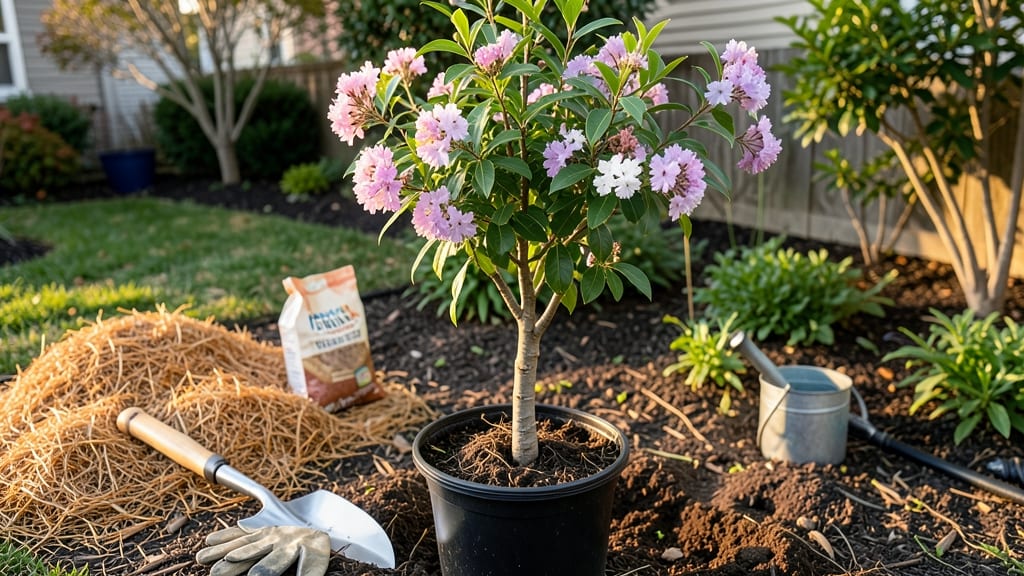
Planting your 🌸 crape myrtle at the wrong time in Texas can mean the difference between a showstopping summer display and a struggling shrub that never quite thrives.
The secret to vibrant blooms lies in understanding Texas’s unique heat zones and frost patterns—because while your neighbor’s tree might flourish, yours could be fighting for survival if planted too early or late.
Most Texas gardeners swear by late winter to early spring (February-March) as the golden window for planting, but early fall (September-October) offers a smart alternative for regions like Central and South Texas.
The key? Avoiding those brutal summer months when roots can’t establish before the heat sets in—or worse, planting too close to winter’s first frost.
In this guide, I’ll break down the exact planting timeline for your USDA zone (8a-10b), including soil prep tips to help your crape myrtle take root fast and bloom like crazy next season.
Whether you’re working with a mature tree or a container-grown sapling, these Texas-specific strategies will set you up for success.
Ready to skip the guesswork? Let’s get your 🌸 crape myrtle planted at the perfect moment so you can enjoy those iconic summer blooms year after year—without the stress. Here’s what you need to know before digging in.
Texas heat-zone planting calendar for crape myrtles
Texas’s diverse climate—from North Texas’s chilly winters to South Texas’s scorching summers—means crape myrtles thrive only when planted at the right time. The optimal window is late winter to early spring (February–March) or early fall (September–October), but exact timing depends on your USDA zone and last frost date.
In North Texas (Zone 8a), for example, wait until March 1 to avoid late frosts, while South Texas (Zone 9b) gardeners can plant as early as February 15.
Fall planting is my top recommendation for Texas gardeners. Why? Because cooler soil temperatures and established roots before summer’s heat give crape myrtles a 30% better survival rate compared to spring planting. Aim to plant 6–8 weeks before your first frost—typically September 15–October 15 for most regions.
For container planting, timing shifts slightly. Containers heat up faster, so plant 2–3 weeks earlier in spring (late February) or 1–2 weeks later in fall (late October) to avoid stress. Always use well-draining soil and larger pots (15+ gallons) to mimic Texas’s drought-tolerant conditions.
Here’s the breakdown by Texas region and USDA zone:
| Region | USDA Zone | Best Planting Months | Soil Temp | Key Tip |
|---|---|---|---|---|
| North Texas | 8a | March 1–April 15 September 15–October 15 |
55–65°F | Wait until after last frost (avg. Feb 15). Use mulch to protect roots. |
| Central Texas | 8b | February 20–March 30 September 1–October 15 |
60–70°F | Avoid spring planting if rains delay. Fall is safer. |
| South Texas | 9a–10b | February 1–March 15 August 15–September 30 |
65–75°F | Plant early to beat summer heat. Use drip irrigation. |
Pro tip: Check your local frost dates using the Texas A&M AgriLife Extension map. For example, Dallas (Zone 8a) has a last frost date of March 1, while Houston (Zone 9a) rarely sees frost after January 31.
Planting 10–14 days after these dates ensures your crape myrtle avoids root shock from sudden temperature swings.
If you’re in a drought-prone area like West Texas, prioritize fall planting and deep watering every 10–14 days during the first year. Crape myrtles are drought-tolerant once established, but young trees need consistent moisture to develop strong roots before summer’s 100°F+ heat.
For urban gardens with heat islands, plant 1–2 weeks earlier in spring to give roots time to cool down. Avoid planting in full sun without shade cloth until the tree is 2 feet tall.
In containers, use light-colored pots to reflect heat and add perlite to soil for better drainage.
Remember: The first 30 days after planting are critical. Water deeply 2–3 times per week (1–2 gallons per watering) and avoid overhead sprinklers to prevent fungal diseases like powdery mildew, which thrives in Texas’s humid summers.
🌸
Signs your Texas crape myrtle planting timing is wrong (and how to fix it)
Planting crape myrtles at the wrong time in Texas can turn your vibrant blooms into a struggling shrub. Watch for these early warning signs that your timing might be off—and how to correct them before it’s too late.
Yellowing leaves appearing within weeks of planting often signal root shock from planting too early. Texas’s warm soil in late winter/early spring is ideal, but if you planted in cool February in North Texas, roots may not establish quickly enough.
Amend soil with compost-rich mulch and water deeply twice weekly until new growth appears.
Stunted growth or no new branches by mid-spring suggests planting too late. In USDA Zone 9b+, aim for September planting—any later, and roots won’t anchor before winter. If you missed the window, prune back 1/3 of the plant in early spring to encourage faster regrowth and apply a balanced fertilizer (10-10-10).
Delayed or sparse blooming by summer? This could mean your crape myrtle didn’t get enough root establishment time. In Central Texas (Zone 8a)**, plant in late February to early March—never before last frost dates.
If blooms are weak, reduce nitrogen in fertilizers (switch to 8-3-9) to promote flowering over foliage.
⚠️ CRITICAL TIMING MISTAKES
Too Early: Planting before soil temps reach 60°F (common in North Texas before March). Roots rot in cool, wet soil.
Too Late: Fall planting after September 15 in South Texas risks winter stress before roots establish.
Fix: Test soil temps with a thermometer (6" deep) before planting. Adjust watering: deep soaks 2x/week for early plantings, weekly for late ones.
Cracked bark or peeling paint on nearby surfaces? Your crape myrtle might be too close to structures due to poor initial spacing—common when planting mature trees in tight spaces.
Texas’s intense sun and heat amplify this issue. Replant 10–15 feet from buildings or prune branches back immediately to reduce heat stress.
For container-grown crape myrtles (rare but possible in urban Texas), check for root-bound plants—a sign you transplanted too late in the season. If roots circle the pot, prune them before replanting in well-draining soil and use a larger pot (minimum 24" diameter).
Water daily for the first 2 weeks post-transplant.
Remember: Texas crape myrtles thrive on patience. If you’ve planted at the wrong time, corrective care—like adjusted watering, mulching, or pruning—can turn things around. But the best fix? Plan ahead using your local frost dates and soil temps next season! 🌱