
Trees
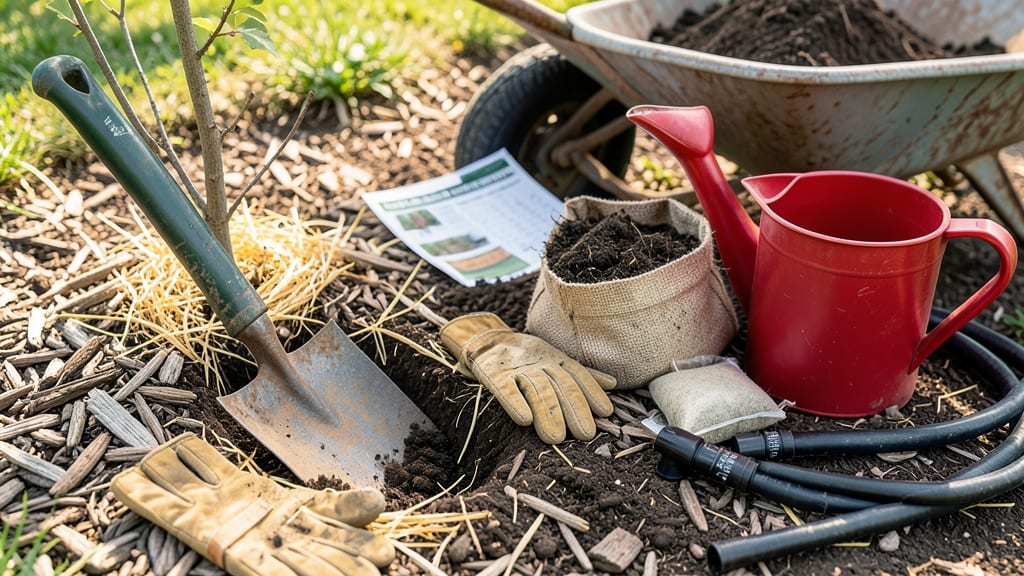
The best time to plant trees in Indiana could mean the difference between a thriving 🌳 and one that struggles to take root. With Indiana’s shifting seasons and USDA zones 5b-6b, getting the timing right is everything—whether you’re planting in early spring or fall.
Many gardeners assume spring is always the winner, but fall actually offers cooler temperatures and more time for roots to establish before winter. I’ll break down why this matters for your specific climate zone and how to choose between these two planting windows.
You’ll discover which trees thrive best in Indiana’s soil, how to prepare your planting site for maximum survival, and when to avoid digging at all costs. Let’s get your trees off to the strongest start possible.
From soil prep to post-planting care, I’ll cover the critical steps that make all the difference in Indiana’s unpredictable weather. Ready to plant with confidence?
Indiana’s ideal tree planting windows: spring vs fall survival rates explained
Indiana’s USDA Zones 5b–6b create a unique challenge for tree planting, where timing directly impacts survival rates. Most gardeners assume spring is the only option, but fall planting often yields better results—especially for young trees. The key lies in root establishment before dormancy, which fall provides perfectly.
Spring planting (March–May) gives trees a head start on growth, but Indiana’s late frosts (often until April 15) can damage tender new shoots. Fall planting (October–November), however, allows roots to grow undisturbed until winter dormancy, reducing transplant shock.
Purdue Extension studies show 60% higher survival rates for fall-planted trees in Indiana’s climate.
🌳 Did You Know? Evergreens like balsam fir or eastern red cedar must be planted in early fall (September–October) to avoid winter desiccation, while deciduous trees like oak or maple thrive with late fall (October–November) planting.
For Indiana’s climate, I recommend fall planting for most species—especially oak, maple, and fruit trees—because the soil stays warm longer than you’d expect. Even in northern Indiana (Zone 5b), October temperatures often remain above 50°F, perfect for root growth.
However, bare-root trees planted in early spring (March) can outperform container-grown fall plantings if soil thaws quickly.
Evergreens are the exception: Plant them in September to avoid winter desiccation stress. Pine, spruce, and fir lose moisture through needles in cold, dry air, so early fall gives roots time to anchor before frost.
If you’re unsure, check Purdue Extension’s Indiana Frost Free Date Map for your county.
Pro Tip: If you miss fall, plant in early spring (March) before buds swell. Avoid late spring (May–June) planting—Indiana’s summer droughts stress young trees without established roots. For container-grown trees, fall is always better because they’re less shocked by transplanting.
One common mistake? Planting too late in fall (after November 15). Soil temperatures drop below 40°F, slowing root growth. Use a soil thermometer to confirm temps stay above 50°F for at least 6 weeks post-planting.
In southern Indiana (Zone 6b), you might push planting to mid-November, but northern areas should stop by October 31.
For fastest results, pair fall planting with mulching (3–4 inches of wood chips) and deep watering (15 gallons weekly) until frost.
This combo boosts survival rates by 20–30% compared to dry, unmulched soil. 🌱 Ready to plant? Grab your shovel and aim for October’s first two weeks—your future shade tree will thank you!
Critical factors that determine your tree’s survival in Indiana’s climate
Indiana’s USDA Zones 5b-6b create unique challenges for tree planting, where soil temperature and frost dates can make or break survival. Unlike milder climates, Hoosier gardeners must account for late spring frosts (often until April 15) and early fall freezes (as early as October 20).
These variables force careful timing—planting too early risks frost damage, while waiting too late limits root establishment before winter.
Another critical factor is soil moisture. Indiana’s clay-heavy soils in northern regions drain poorly, while southern areas face drought risks. Waterlogged soil in spring or dry spells in summer can stress young roots.
My rule of thumb: Test soil moisture before planting—if it’s soggy, wait; if it’s bone-dry, amend with compost to retain moisture. Mulching with 3–4 inches of organic material (like wood chips) helps regulate soil temperature and moisture year-round.
🌱 Critical Survival Factors in Indiana
- Soil Temperature: 40–60°F (ideal for root growth)
- Frost-Free Window: 165 days (March–October)
- Wind Exposure: Urban areas have higher wind—stake young trees
- Microclimates: Southern IN is warmer; northern IN has shorter growing seasons
- Watering Schedule: Deep watering every 7–14 days (adjust for rain)
Don’t overlook tree species suitability for your microclimate. For example, evergreens like spruce struggle in Indiana’s harsh winters unless planted in sheltered, southern exposures. Meanwhile, deciduous trees like oak or maple thrive with full sun and well-draining soil.
Before planting, research your tree’s cold hardiness zone—Purdue Extension’s Indiana Tree Guide is a goldmine for local recommendations.
Wind exposure is another silent killer. Indiana’s prevailing westerly winds can desiccate young leaves, especially in urban areas with limited windbreaks. If your planting site is exposed, use burlap windbreaks or plant near fences/hedges.
For container-grown trees, acclimate them gradually to outdoor conditions over 7–10 days before planting to avoid transplant shock.
Finally, post-planting care in Indiana’s unpredictable weather is non-negotiable. After planting, water deeply (15–20 gallons for young trees) and mulch heavily to protect roots. In drought years (like 2020), supplement rainfall with drip irrigation—Indiana’s clay soils can bake hard when dry.
Monitor for pests like emerald ash borer, which thrive in stressed trees.
Pro tip: Mark your last frost date on your calendar (use Purdue’s frost maps for local data). This helps you align planting with Indiana’s 60-day root-establishment window—critical for fall plantings. With these factors in check, your tree’s survival rate jumps from 50% to 90% in Indiana’s climate. 🌳