
Trees
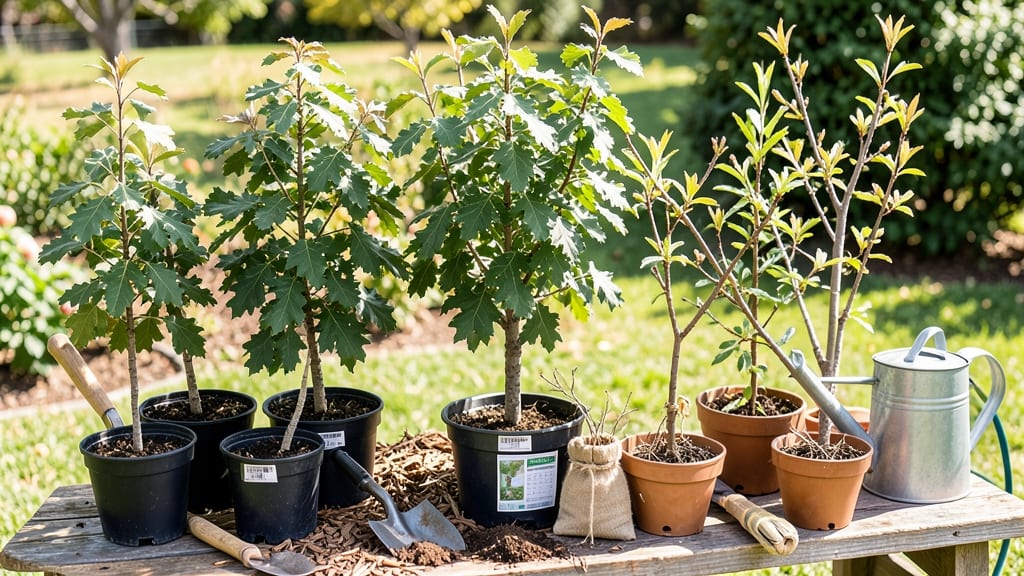
Planting a tree in Utah isn’t just about grabbing a shovel and digging—timing is everything, and getting it wrong could mean years of stunted growth or even failure.
With Utah’s dramatic elevation shifts from desert lowlands to alpine forests, the "best" time to plant varies wildly by where you live.
Let’s cut through the guesswork: Whether you’re in Northern Utah’s cooler 5-7 zones or Southern Utah’s warmer 8-9, the ideal window is late fall to early spring—when soil stays workable and frost isn’t a threat.
But here’s the twist: spring planting (March-April) gives young roots a head start, while fall planting (October-November) lets them establish before winter.
I’ve dug into Utah State University’s data to break down exactly when to plant based on your elevation zone, which tree species thrive in each season, and how to prep your soil for maximum survival. Spoiler: Cottonwoods and aspens love Utah’s spring, but fruit trees? They beg for fall.
Ready to plant with confidence? I’ll walk you through the science-backed steps—from soil prep to watering schedules—that’ll have your 🌳 thriving in no time, no matter where you are in the Beehive State.
Utah’s optimal tree planting windows by elevation Zone (spring vs fall breakdown)
Utah’s four distinct elevation zones—Desert Lowlands, Piedmont, Mountain, and Subalpine—each dictate unique planting windows for trees. Spring planting (March-May) works best in lower elevations, while fall planting (September-November) suits higher altitudes where winters are harsher.
The key? Aligning with soil moisture and temperature fluctuations to avoid transplant shock.
In Desert Lowlands (USDA Zones 8-9), like St. George, late winter to early spring (February-March) is ideal. The soil warms quickly, and spring rains provide natural hydration. Fall planting here risks drought stress before winter rains arrive.
Meanwhile, Subalpine zones (Zones 5-6) in Park City demand late summer to early fall (August-September) to let roots establish before snowfall.
Evergreen trees like blue spruce or Ponderosa pine thrive when planted in early fall across all zones, giving roots time to harden before winter. Deciduous species, such as quaking aspen or Russian olive, prefer late spring planting to avoid late frost damage to emerging foliage.
Utah’s microclimates add complexity—urban areas like Salt Lake City (Zone 6) face heat islands, while rural high-desert regions (Zone 7) experience rapid temperature swings. Container-grown trees offer flexibility, allowing planting outside these windows, but bare-root trees must follow strict seasonal rules.
Here’s how Utah’s elevation zones break down for optimal planting windows, including soil prep and species suitability:
For Salt Lake City gardeners (Zone 6), late April to early May is the sweet spot for spring planting, while early October works for fall. Southern Utah (Zones 8-9) can push spring planting to March 15 to avoid desert heatwaves in April.
Always check Utah State University Extension frost maps for localized adjustments.
Pro tip: Container-grown trees can be planted outside these windows if soil isn’t frozen or baked hard. Just water deeply before and after planting to reduce shock. For bare-root trees, stick to the dormant season (November-March) to maximize root growth.
One common mistake? Planting too early in spring when soils are still cold or too late in fall before frost. Soil temperature should be above 50°F for most species. Use a soil thermometer to check—especially in high-desert areas where nighttime temps drop fast.
Native species like quaking aspen or blue spruce adapt faster than non-natives, but Russian olive or honey locust
5 Critical factors that determine your Utah tree planting success (beyond just season)
Planting a tree in Utah isn’t just about picking the right month—your local microclimate plays an even bigger role. I’ve learned that soil pH, water availability, and even wind exposure can make or break your tree’s survival, regardless of when you plant.
Let’s break down these hidden factors that separate thriving trees from struggling ones.
First, Utah’s soil pH levels vary dramatically by region. Northern Utah often has alkaline soil (pH 7.5-8.5), while southern desert areas can be slightly acidic (pH 6.5-7.2).
Most native trees like quaking aspen and blue spruce thrive in neutral to slightly alkaline conditions, but non-natives like Russian olive adapt better to alkaline soils. Always test your soil before planting—it’s a game-changer for root health.
- Northern Utah: pH 7.5-8.5 (alkaline)
- Southern Utah: pH 6.5-7.2 (neutral)
- Action: Amend with sulfur (lower pH) or lime (raise pH) if needed
- Desert Lowlands: Deep water tables (100+ ft)
- Mountain Regions: Shallow water tables (20-50 ft)
- Action: Install drip irrigation for first 2 years
- Open deserts: Wind speeds 15+ mph
- Mountain valleys: Wind speeds 10-15 mph
- Action: Use windbreaks or stake young trees
- Native: Quaking aspen, blue spruce (drought-tolerant)
- Non-Native: Russian olive (adaptable but invasive)
- Action: Choose species matched to your USDA zone
- Spring Planting: Mulch heavily to retain moisture
- Fall Planting: Reduce watering before dormancy
- Urban Areas: Monitor for pollution stress
One of my biggest mistakes was planting a non-native fruit tree in a high-desert area without checking the water table depth. The tree struggled because its roots couldn’t access deep moisture.
Always research whether your site has shallow groundwater (common in mountain regions) or if you’ll need to install deep irrigation. Utah State University Extension offers free soil tests—use them!
Wind is another silent killer. In open desert areas like Moab or St. George, winds can exceed 25 mph during spring planting season. I’ve seen young trees uprooted within weeks if not staked properly.
For these areas, consider windbreaks or container planting until the tree establishes a strong root system. Even in mountain regions, valley winds can dry out soil quickly, so mulching is critical.
Finally, don’t overlook the native vs. non-native debate. While non-native trees like honey locust or London plane might look appealing, they often require more water and care. Native species like Ponderosa pine or Utah juniper are already adapted to Utah’s dry climate and variable temperatures.
When in doubt, consult the Utah Native Plant Society for region-specific recommendations.
Remember, the best planting time is only half the battle. These five critical factors will give your Utah trees the fighting chance they need to thrive—no matter what season you choose to plant.
Start with soil testing, then adjust for your local conditions, and you’ll see the difference in survival rates within just a few years. 🌳