
Plants
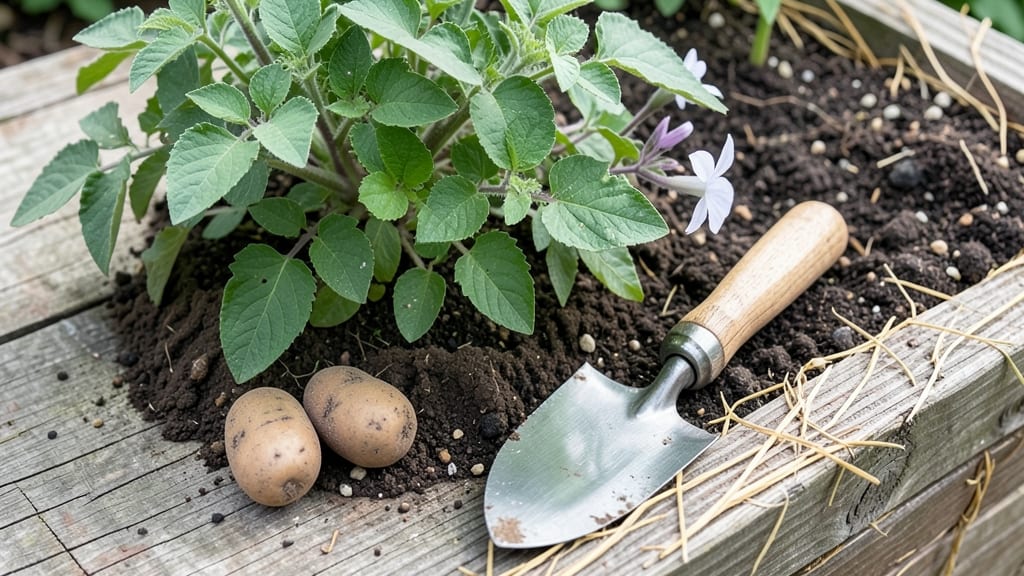
The best time to plant potatoes in Texas isn’t one-size-fits-all—it depends on whether you’re in frost-prone North Texas or balmy South Texas. Miss the window, and you’ll either lose your crop to late frosts or watch it wilt under summer’s scorching heat.
For most of Texas, early spring (February-March) or late fall (September-October) offers the sweet spot—when soil warms enough (45°F) but before the brutal summer arrives. But in South Texas, where winters are milder, fall and winter plantings (October-January) work best, letting you harvest before the heat peaks.
Why does timing matter so much? Potatoes need 90-120 days to mature, and Texas’ climate zones (from 7b-8a in the Panhandle to 9a-10a in the Rio Grande Valley) create wildly different growing seasons. Plant too early, and frost zaps your tubers; too late, and the heat stunts growth.
I’ll break down the exact months for your region, plus pro tips to adjust for Texas’ unpredictable weather—so you can grow a bumper crop of 🥔 without the guesswork.
Texas potato planting calendar by climate zone: exact months for peak yield
Texas’ climate zones create dramatic differences in potato growing seasons. In the High Plains (USDA Zones 7b-8a), where frosts linger until mid-March, your planting window opens in late February once soil warms to 45°F (10°C).
Meanwhile, South Texas (Zones 9a-10a) enjoys frost-free winters, allowing fall/winter plantings from October to January for harvests in late winter.
Central Texas (Zones 8a-8b) straddles both worlds—ideal for spring plantings in February-March and fall plantings in September-October. East Texas (Zones 7b-8a) mirrors Central Texas but with slightly later frost dates, giving you a 10-day buffer for both spring and fall plantings.
Understanding these regional differences ensures you avoid frost damage or heat stress that can ruin your crop.
Here’s your region-specific planting calendar with frost-free thresholds and soil temperature targets:
For North and Central Texas, aim to plant 6-8 weeks before your last frost date to ensure tubers mature before summer heat sets in.
In South Texas, where winters are mild, focus on fall plantings (October-November) for harvests in January-February, avoiding the brutal summer heat that can stress plants.
Pro tip: Use black plastic mulch in cooler zones to warm soil faster and extend your planting window by 2-3 weeks. This technique works especially well in the High Plains, where soil can stay cold well into spring. Just remove the mulch once plants emerge to prevent overheating.
Soil temperature is your #1 indicator—never plant until it reaches 45°F (10°C) for spring or 55°F (13°C) for fall plantings in warmer zones. Stick a soil thermometer 4 inches deep; if it’s cooler, wait another week. Cold soil slows germination and invites rot diseases like late blight.
In East Texas, humidity can be a challenge, so choose disease-resistant varieties like ‘Red LaSoda’ and space plants 15 inches apart for better airflow. Meanwhile, West Texas gardeners should prioritize moisture retention with mulch
How to adjust your planting schedule for Texas’ unpredictable weather patterns
Texas’ weather is famously unpredictable—one week you’re battling freezing nights, the next you’re sweltering under 100°F+ heat. For potatoes, this means staggered planting isn’t just smart; it’s essential.
I’ve learned the hard way that planting all my seed potatoes at once leaves me vulnerable to either late frosts or early heat stress. The key is spreading out plantings by 2-3 weeks to ensure a steady harvest.
Start with your earliest planting when soil temperatures hit 45°F (10°C), but don’t stop there. Follow up with 2-3 additional plantings every 10-14 days to cover your bases. This way, even if one batch struggles with unseasonal cold or drought conditions, your other plants will thrive.
For example, in North Texas, I plant my first batch in mid-February, then add two more in late February and early March.
🌱 Pro Tip: Use black plastic mulch or straw covers to warm the soil faster in early spring. This helps you start planting 1-2 weeks earlier than the calendar suggests. Just remove the mulch once sprouts emerge to avoid overheating.
- Spread black plastic mulch 2-3 weeks before planting to raise soil temps by 5-10°F.
- Use clear plastic tunnels for a 10-15°F boost in early spring.
- Plant in raised beds—they warm up faster than ground soil.
- Cover young plants with frost blankets when temps drop below 32°F.
- Use row covers to protect emerging sprouts from light frosts.
- Plant heat-tolerant varieties (like Red LaSoda) in high-risk zones.
- Shade young plants with shade cloth (30-50%) during peak summer heat.
- Water deeply in the morning to cool roots and reduce stress.
- Avoid planting after mid-April in North Texas or mid-March in South Texas.
- North Texas: Plant 3 batches in Feb, late Feb, early March.
- Central Texas: Plant 2 batches in Jan-Feb and Feb-Mar.
- South Texas: Plant 2 batches in Oct-Nov and Dec-Jan.
Another trick I swear by is planting in containers for my late-season batches. This gives me flexibility to move pots to shadier spots if summer heat arrives early. I use 5-gallon buckets with well-draining soil and plant 1-2 potato pieces per container.
By June, I’ve already harvested my spring crop, and the container-grown potatoes are thriving in the partial shade of my porch.
Don’t forget to monitor rainfall patterns too. Texas can swing from drought conditions to flash floods in a week. If your forecast calls for heavy rain during tuber formation, switch to drought-tolerant varieties like Kennebec or Russet, which handle moisture fluctuations better than Yukon Gold.
💧 Final Tip: Keep a planting journal to track what works in your microclimate. Note the exact dates you plant, any weather anomalies, and how your potatoes perform. After 3 years, you’ll have a customized Texas potato planting calendar tailored to your yard’s quirks.