
Plants
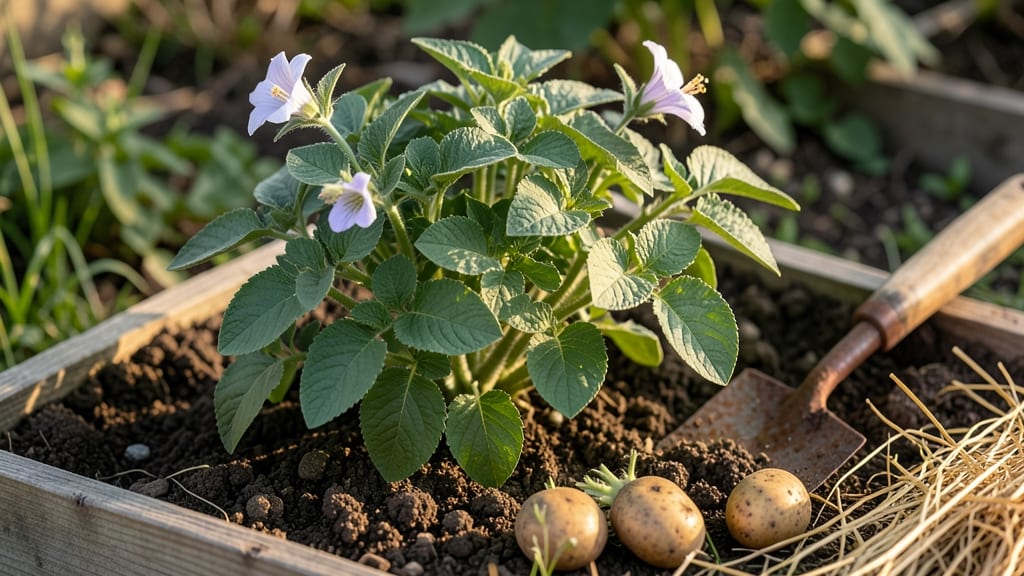
Planting potatoes in Texas isn't just about throwing them in the ground—it's about timing your harvest to beat the heat and avoid frost. If you plant too early in North Texas, you risk losing your crop to late freezes.
Plant too late in South Texas, and the summer sun will turn your 🥔 into shriveled nuggets.
Texas gardeners face a unique challenge: our state spans four USDA heat zones, from chilly North Texas (7b-8a) to balmy South Texas (9a-10a). The right window depends on where you live—and whether you're aiming for spring or fall harvests.
Get it wrong, and you'll spend June pulling up sad, stunted tubers instead of celebrating a golden harvest.
Here's the good news: with the right strategy, you can grow abundant potatoes in Texas year-round. I'll break down the exact months to plant in each zone, how to adjust for heat, and which varieties thrive when temperatures climb.
Whether you're in Dallas or El Paso, you'll walk away with a clear, actionable timeline tailored to your backyard.
Ready to turn your garden into a potato powerhouse? Let's dive into the perfect planting schedule—so you can enjoy homegrown spuds from spring through fall, no matter where in Texas you call home.
Texas potato planting calendar by USDA heat Zones (with exact months)
Texas stretches from USDA Zone 7b in the Panhandle to Zone 10a along the Gulf Coast, meaning potato planting windows vary dramatically.
In North Texas (Zones 7b-8a), you can start as early as late February, while South Texas (Zones 9a-10a) gardeners must wait until February-April to avoid summer's scorching heat. The key? Plant when soil temps hit 45°F (7°C)—cold enough to sprout but warm enough to prevent rot.
Most Texas gardeners focus on spring planting, but fall plantings work in Zones 8a and below. For example, in Central Texas (Zones 8a-9a), aim for February-March plantings to harvest before summer arrives. Meanwhile, Zone 10a growers should stick to fall-only plantings (September-October) to escape the heat.
Here’s the critical rule: Never plant potatoes in summer heat—tubers form best when daytime temps stay below 80°F (27°C). In West Texas, where summers are brutal, consider shade cloth or container growing for late-season plantings.
| USDA Zone | Ideal Planting Window | Harvest Window | Key Notes |
|---|---|---|---|
| 7b-8a (North Texas) | Late February - Early April | June - August | Plant 4-6 weeks before last frost (avg. March 15). Use early varieties. |
| 8a-9a (Central Texas) | February - March | May - July | Avoid planting after April—heat stress reduces yields. |
| 9a-10a (South Texas) | February - April (spring) OR September-October (fall) | April-June (spring) OR October-November (fall) | Summer planting fails—tubers scorch. Fall plantings thrive. |
For North Texas gardeners, the last frost date is your anchor. Plant 4-6 weeks before March 15 (average last frost) to ensure tubers mature before summer heat sets in.
In Central Texas, where frost is rare, focus on soil temperature—wait until March 1 when soil hits 55°F (13°C).
In South Texas (Zones 9a-10a), the real challenge is avoiding summer heat. If you plant in spring, choose early-maturing varieties (like 'Red Norland') to harvest by June.
For fall plantings, start seeds in September to harvest before first frost (Dec 31)—though frost is rare, cool temps improve tuber quality.
One common mistake? Planting too late in Zone 10a. Without frost, the goal shifts to escaping heat. Use drip irrigation and mulch heavily to keep soil temps stable. In West Texas, where water is scarce, container growing with 5-gallon buckets lets you control moisture and heat exposure.
Texas gardeners also swear by staggered plantings. For example, in Central Texas, plant 1/3 of your crop in February, another 1/3 in March, and the final 1/3 in early April. This spreads out your harvest and reduces risk from late-season heat or unpredictable rains.
Remember: Potatoes hate heat. If your area’s average July high exceeds 90°F (32°C), skip summer plantings entirely. Instead, rely on fall plantings or shade-cloth structures to protect young plants.
Finally, soil prep is non-negotiable. Texas soils are often clay-heavy or sandy, both of which drain poorly or too quickly. Amend with compost and aged manure to create loamy, well-draining soil. Aim for a pH of 5.0-6.5—too alkaline (7.0+) locks out nutrients, stunting tuber growth.
With the right timing, Texas potatoes can yield 5-10 lbs per plant—double the national average! The secret? Plant early, harvest fast, and never let soil temps exceed 80°F. 🥔
How to time potato planting for zero-frost harvests in Texas (step-by-step)
Texas’s long growing seasons and variable frost dates make potato planting a game of precision. Unlike cooler climates, you can’t just follow a generic calendar—your last frost date (or lack thereof) dictates everything.
In North Texas (Zone 7b-8a), aim for late February to early April, while South Texas (Zone 10a) gardeners can plant as early as January for a spring harvest or September for fall. The key? Soil temperature must stay above 45°F (7°C) for consistent germination.
Start by checking your local frost-free period. Use the USDA Plant Hardiness Zone Map to pinpoint your exact zone, then subtract 90-120 days (harvest time) from your first frost date.
For example, if your first frost hits November 15 (Central Texas), count back 120 days to land on July 15—your latest planting window for a fall harvest. This method ensures tubers mature before cold snaps.
📅 Step-by-Step Texas Potato Planting Timeline
- Step 1: Chit Seed Potatoes – Place cut potatoes in a cool, sunny spot (60°F/15°C) for 2-4 weeks before planting to sprout "chits" (sprouts).
- Step 2: Test Soil Temperature – Use a soil thermometer; plant only when soil hits 45°F (7°C) or warmer. In South Texas, this can be as early as January.
- Step 3: Plant 4-6 Weeks Before Last Frost – For North Texas, this means late February; for South Texas, February-March. Use 4-inch-deep trenches or hill method.
- Step 4: Hill Soil as Plants Grow – When foliage reaches 6 inches, mound soil around stems to encourage tuber formation. Repeat every 2-3 weeks until June.
- Step 5: Stagger Plantings for Continuous Harvests – Plant new batches every 2 weeks to extend your harvest from May to August (North Texas) or April to June (South Texas).
- Step 6: Harvest Before Foliage Dies – Dig when flowers appear (early varieties) or foliage yellows (late varieties). In Zone 10a, harvest by June to avoid heat stress.
For fall planting in Texas, aim for September in North/Central Texas or October in South Texas. This gives tubers 90-120 days to mature before first frost. Use early-maturing varieties like 'Yukon Gold' or 'Red Norland', which tolerate cooler soils better than late-season types.
Avoid planting in summer heat (June-August), especially in Zones 9-10. Soil temperatures above 85°F (29°C) cause seed potatoes to rot before sprouting. Instead, opt for shade cloth or container growing in partial shade if you must plant during peak summer.
Mulch heavily with straw or grass clippings to keep soil cool and moist.
Pro tip: Use a moisture meter to check soil moisture—potatoes need 1-2 inches of water weekly but hate soggy soil. In drought-prone West Texas, drip irrigation is your best friend.
Water in the morning to reduce blight risk, and avoid wetting foliage to prevent fungal diseases like late blight.
By mastering these timing tricks, you’ll enjoy homegrown potatoes from spring to fall—no frost required! Start small with 5-10 seed potatoes, experiment with varieties, and adjust your schedule yearly based on weather patterns. Happy digging! 🥔