Flowers
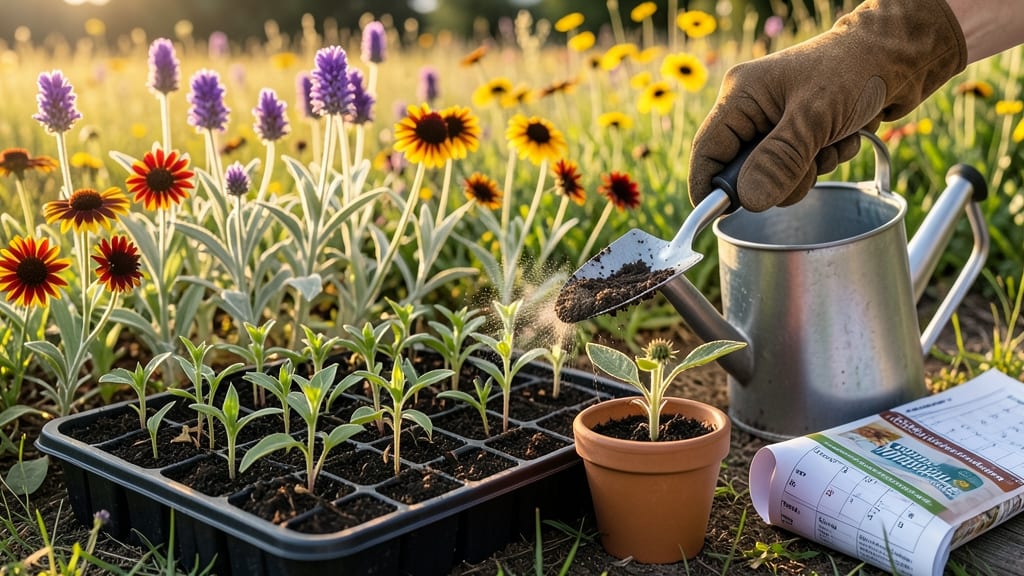
Timing your flower planting in Colorado can feel like a high-stakes game—get it wrong, and frost or heat ruins your blooms before they even begin.
The exact dates you can plant depend on your elevation, but knowing these windows is the key to a garden bursting with color from spring to fall.
Whether you're in Denver's 5,000-foot zone or the Western Slope's sunbaked valleys, Colorado's diverse climate demands precision. I'll break down the ideal planting periods for annuals, perennials, and bulbs so you can avoid common mistakes and maximize your garden's potential.
From early spring's delicate alpine penstemons to late-season marigolds thriving in Colorado Springs' heat, each elevation has its own rhythm. Let's dive into the science behind these dates and how to prepare your soil for success.
You'll discover how to read frost charts, choose the right varieties for your microclimate, and even extend your blooming season with simple tricks. Ready to transform your Colorado garden into a year-round paradise?
Colorado’s flower planting zones: exact dates by elevation
Colorado’s elevation zones dramatically impact when you can plant flowers. The Front Range (Denver, Boulder) has different frost dates than the Western Slope (Grand Junction) or high mountain valleys (Aspen). Understanding these zones ensures your annuals and perennials thrive without frost damage.
Most Colorado gardeners fall into three key elevation categories: low (3,000–5,000 ft), mid (5,000–7,000 ft), and high (7,000+ ft). Each has distinct last frost dates and ideal planting windows.
For example, Denver (5,280 ft) averages its last frost around May 15, while Telluride (8,750 ft) waits until June 10.
Use these planting windows as your guide, but always check your local USDA Hardiness Zone (e.g., Zone 5-6 for Denver, Zone 4-5 for Steamboat Springs). Even within zones, microclimates near urban heat islands or sheltered valleys can shift timing by 1-2 weeks.
🌱
For low-elevation zones (e.g., Colorado Springs, Pueblo), you can start warm-season annuals like marigolds and zinnias as early as April 25 if using row covers. These areas benefit from longer growing seasons, but late frosts can still occur in May, so wait until soil temperatures exceed 50°F (10°C).
Mid-elevation zones like Denver and Fort Collins should wait until after May 15 for most flowers. Cool-season bloomers like pansies and sweet peas can be sown indoors in March for transplanting in April, while heat-loving dahlias need to wait until after Memorial Day.
High-elevation gardens (e.g., Leadville, Vail) face shorter seasons. Focus on hardy perennials like alpine penstemon and sage, which thrive in cool, rocky soils. Annuals like lobelia should only be planted after June 1 to avoid frost.
🌿
Pro tip: Use frost clocks or local CoCoRaHS weather stations for real-time updates. In 2023, Denver’s last frost shifted 10 days later than average—showing how climate change is altering planting windows. Adjust your schedule yearly based on local trends.
For fall planting, aim for 8–10 weeks before first frost. In low zones, this means late July to early August for cool-season flowers like pansies and calendulas. In high zones, wait until mid-August to avoid early snows.
Best flowers to plant in each Colorado elevation Zone
Colorado’s three distinct elevation zones demand different flower varieties to thrive. Lowland areas (3,000–5,000 ft) like Denver can handle heat-tolerant annuals, while high-altitude zones (7,000+ ft) need cold-hardy perennials. Let’s match your elevation to the perfect blooms!
For low elevations (3,000–5,000 ft), focus on heat-loving annuals like marigolds and zinnias, which bloom prolifically through summer. Mid-elevation areas (5,000–7,000 ft) thrive with hardy perennials such as coneflowers and black-eyed Susans, while high elevations (7,000+ ft) favor alpine flowers like columbines and penstemons.
| Elevation Zone | Best Flowers | Sunlight Needs | Bloom Time |
|---|---|---|---|
| 3,000–5,000 ft | Marigolds, Zinnias, Petunias | Full sun (6+ hrs) | Summer–Fall |
| 5,000–7,000 ft | Coneflowers, Black-eyed Susans, Lavender | Full sun to partial shade | Summer–Early Fall |
| 7,000+ ft | Alpine Penstemon, Columbines, Yarrow | Partial sun (4–6 hrs) | Late Spring–Summer |
🌱 Pro Tip: Adjust watering—high elevations dry faster!
In lowland zones, prioritize drought-resistant flowers like lantana or salvia to conserve water. For mid-elevation gardens, perennials like bee balm return yearly with minimal care. At high elevations, mulch heavily to protect roots from freezing nights.
Colorado’s short growing season means timing matters. Plant annuals after last frost (typically May 1–15 for lowlands) and perennials in early spring (March–April) for best results. Bulbs like daffodils can go in fall for spring blooms!
Don’t overlook native wildflowers like blanket flower or purple coneflower. They’re low-maintenance and support local pollinators. Start with just a few varieties to test what thrives in your microclimate.
Experiment with container gardening for high-elevation areas where frost lingers. Pots warm faster and can be moved indoors if late frosts threaten. Try geraniums or pansies for flexible, frost-tolerant options.