
Plants
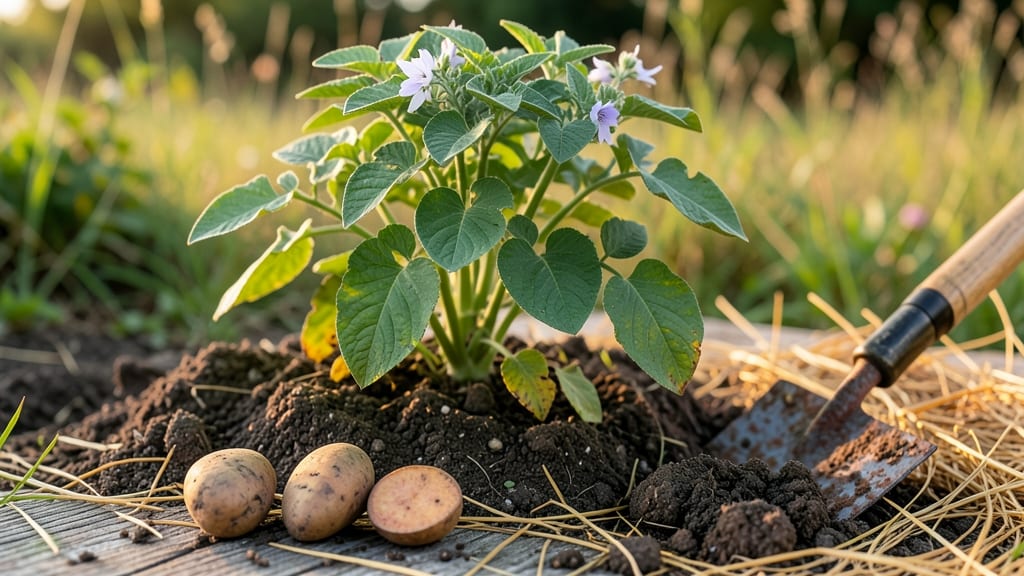
Planning your 🥔 potato harvest in Iowa starts with one critical question: when do you plant potatoes in Iowa to avoid frost damage and maximize yields? The answer isn’t just about dates—it’s about understanding your hardiness zone, soil temperatures, and the right varieties for your region.
Iowa’s 5a-5b climate means you’ve got a narrow window between unpredictable spring freezes and the need to plant early enough for a full harvest by summer. Get it wrong, and you might end up with stunted tubers or wasted seed potatoes.
But with the right timing—typically between early March and mid-April—you can turn your garden into a golden potato patch.
What makes this even trickier is Iowa’s unpredictable weather. One year, frost lingers until May; the next, warm spells arrive in February. That’s why I’ll walk you through zone-specific planting charts, soil temperature tricks, and how to adjust for your local microclimate.
No more guessing—just science-backed strategies to ensure your 🥔 potatoes thrive.
Ready to dig in? You’ll also discover the best potato varieties for Iowa’s short season, how to prep your soil for maximum growth, and when to start harvesting for that perfect July-September bounty. Let’s get those spuds in the ground the right way.
Iowa potato planting dates by hardiness zone (2024 guide)
Iowa spans USDA hardiness zones 4a-5b, where last frost dates vary dramatically—from early April in southern counties to mid-May in northern regions. Getting your potatoes in the ground at the right time ensures robust growth and avoids frost damage to delicate sprouts.
The key? Plant when soil temperatures hit 45-50°F and nighttime lows stay above 32°F.
Most Iowans aim for late March to early May, but your exact window depends on your zone. For example, zone 5b gardeners can start as early as mid-March, while zone 4a growers should wait until late April.
Using a soil thermometer is my go-to trick—it’s more reliable than guessing by air temperature.
Here’s the breakdown by zone, including ideal planting ranges, soil temperature benchmarks, and last frost dates to guide your schedule:
| Hardiness Zone | Ideal Planting Window | Soil Temp (°F) | Last Frost Date | Notes |
|---|---|---|---|---|
| Zone 4a (Northwest IA) | Late April - Early May | 45-50°F | May 10-20 | Use row covers for early starts |
| Zone 4b (Central IA) | Mid-April - Late April | 45-50°F | April 25 - May 5 | Plant early varieties first |
| Zone 5a (South-Central IA) | Early April - Mid-April | 45-50°F | April 15 - April 25 | Longer growing season |
| Zone 5b (Southeast IA) | Late March - Early April | 45-50°F | April 5 - April 15 | Can plant early varieties in Feb |
Pro tip: If you’re in zone 5b, you can even start early varieties like ‘Yukon Gold’ in late February using a cold frame. Just cover them with frost cloth until soil warms. For late varieties like ‘Kennebec’, wait until mid-April to avoid frost damage.
Iowa State University Extension recommends waiting until the soil is at least 45°F—cold soil slows sprouting and increases rot risk. Test your soil with a thermometer (available at garden centers for under $10) to avoid guesswork.
If your soil is still chilly, use black plastic mulch to warm it faster.
Another critical factor? Variety selection. Early-season potatoes (like ‘Red Norland’) can handle cooler soils, while late-season types (like ‘Russet Burbank’) need warmer conditions. I’ll cover the best varieties for Iowa’s climate in the next section, but for now, focus on matching your zone to the right planting window.
Remember: Potatoes need 90-120 days to mature, so plant early enough to harvest before the first frost in October. For example, if you plant in early April, aim to harvest by mid-July to avoid early frost risks.
Use this rule of thumb: Count backward from your first frost date to determine your latest safe planting window.
For extra insurance, I always plant a second crop in late June—these “summer potatoes” mature by frost and are perfect for storage. Just use smaller seed potatoes (the size of a golf ball) for faster growth.
🥔
How to adjust planting dates for Iowa’s unpredictable weather patterns
Iowa’s spring frost risks and soil temperature swings can turn even the most experienced gardener’s timing into a guessing game. If you’ve ever planted potatoes too early and watched them freeze, or too late and missed peak harvest season, you know the stakes.
The key? Flexible planting strategies that adapt to Iowa’s unpredictable weather—not just rigid calendar dates.
One of the first steps is monitoring soil temperature. Potatoes thrive when soil reaches 45–50°F, but Iowa’s ground can fluctuate wildly. Use a soil thermometer (or even a DIY setup with a thermometer in a jar buried in the soil) to track progress.
If temperatures dip below 40°F, delay planting—frost damage to sprouting tubers is irreversible.
- Use row covers to extend planting by 2–3 weeks after last frost (e.g., Reemay fabric raises soil temps by 2–5°F).
- Plant in cold frames or low tunnels for early starts—ideal for Zone 4a areas where frost lingers.
- Choose early-maturing varieties (e.g., Yukon Gold) if your season is short; they tolerate cooler soils.
- Adjust for rainfall: If spring is soggy, delay planting until soil drains well to avoid waterlogged tubers.
- Plant in stages: Sow 1/3 of seed potatoes every 2 weeks to stagger harvests and reduce frost risk.
Iowa State University Extension recommends using the “50°F soil rule” as your green light. But what if your soil hits 50°F in late April—only for a hard freeze to return? Row covers or black plastic mulch can buy you 10–14 extra days of growing time.
For example, covering your beds with clear plastic for a week before planting can warm soil by 5–10°F, mimicking a longer spring.
Don’t ignore weather forecasts, either. The National Weather Service’s “Frost Prediction Maps” for Iowa are gold for gardeners. If a late-May frost is forecasted, prioritize heat-tolerant varieties like Kennebec or use frost cloth over young plants.
Pro tip: Plant near a south-facing wall or windbreak—these microclimates can add 2–4°F of warmth.
Finally, keep a planting journal to track what works in your specific Iowa microclimate. Note the actual last frost date in your garden (not the average), soil temperature trends, and how varieties performed. Over time, you’ll refine your timing to beat Iowa’s weather—not the other way around.
With these adjustments, you’ll turn Iowa’s unpredictable spring into a predictable harvest. Happy planting! 🌱