
Plants
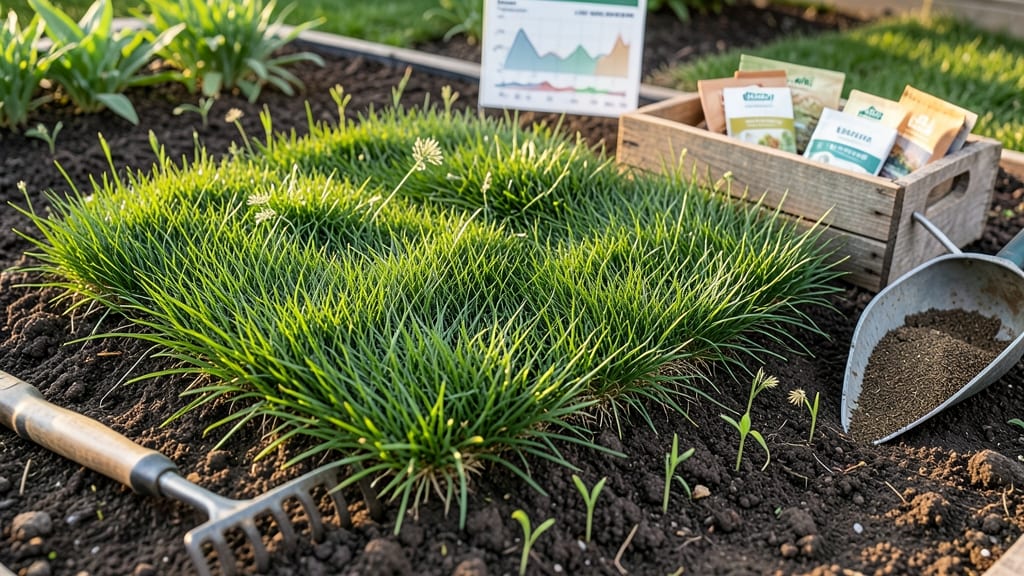
If you've ever stared at a patchy Wisconsin lawn and wondered when is the best time to plant grass in Wisconsin, you're not alone.
The difference between a vibrant, resilient lawn and one that struggles through Wisconsin's harsh winters often comes down to timing—specifically, planting during the 4-6 week window before the first frost.
Wisconsin's USDA zones 4b-6a mean your grass faces unique challenges, from early spring frosts to late fall freezes. Planting too early risks weak seedlings, while waiting too long leaves your lawn vulnerable before winter sets in.
The key is understanding how to sync your planting schedule with Wisconsin's 140-180 frost-free days, ensuring strong root growth before cold weather arrives.
I've spent years perfecting lawn care in Wisconsin, and what I'm about to share will help you avoid common mistakes. Whether you're seeding in early spring or early fall, these insights will give your grass the best possible start.
Let's dive into the exact months and steps that make all the difference.
From soil prep to watering schedules, we'll cover everything you need to know to establish a lawn that thrives year-round. No more guessing—just proven strategies tailored to Wisconsin's climate. Ready to transform your yard?
Wisconsin grass planting calendar: exact months for cool-season vs. warm-season grasses
Wisconsin’s USDA zones 4b-6a mean your grass must establish roots quickly before first frost (mid-October to early November). Cool-season grasses like Kentucky bluegrass and tall fescue dominate here, thriving in spring and fall when soil temps hover between 50°F and 65°F.
Warm-season grasses like Bermuda or Zoysia are rare but need late spring planting (after last frost) to avoid winter kill.
Timing is everything: Plant 4-6 weeks before the last frost date (typically early April) for spring or late August to early September for fall. Fall planting gives grass 6-8 weeks of growth before winter, creating deeper roots that survive Wisconsin’s harsh winters.
Warm-season grasses planted too early will wilt in spring frosts.
Here’s the breakdown of your ideal planting windows based on Wisconsin’s climate zones and grass type:
For spring planting, aim to finish by mid-May—any later and your grass may not establish roots before summer drought stress. Fall planting is ideal because cooler temps reduce weed competition and water evaporation, giving grass a head start for spring.
Wisconsin’s northern regions (USDA 4b) have shorter growing seasons, so plant cool-season grasses 2–3 weeks earlier than southern areas (USDA 6a). Check your local frost dates using the Wisconsin State Climatology Office or plant 6 weeks before the average first frost in your area.
If you’re overseeding an existing lawn in late summer, choose fine fescue—it tolerates cooler soils and shade better than Kentucky bluegrass. For new lawns, tall fescue is the toughest choice, handling foot traffic and drought like a champ.
Pro tip: Use a soil thermometer to confirm temps are in the ideal range before planting. Wet, cold soil delays germination, while too-warm soil can dry out seeds too quickly. Aim for consistent moisture in the top 1–2 inches of soil during establishment.
Once planted, water deeply 2–3 times per week (about 1 inch total) until grass reaches 3 inches tall. This encourages deep root growth—critical for surviving Wisconsin’s freezing winters and hot summers.
🌱
How to prepare your Wisconsin soil for grass planting in 5 critical steps
Preparing your soil is the foundation of a thriving Wisconsin lawn. Clay-heavy soils and acidic pH levels are common challenges here, but with the right steps, you can create the perfect growing medium for your grass.
Start by testing your soil's pH and nutrient levels—most Wisconsin lawns benefit from a pH between 6.0 and 7.0 for optimal grass growth.
Once you know your soil's condition, focus on loosening compacted areas and removing debris. Aeration is key, especially if your lawn has heavy foot traffic or clay soil. This step opens up the soil, allowing roots to penetrate deeply and access moisture and nutrients.
Timing is critical—aim for early spring or early fall, when temperatures are mild and rain helps settle the soil.
5 Critical Soil Prep Steps for Wisconsin Grass Planting
- Test Soil pH: Use a soil test kit (available at garden centers) to check pH. Adjust with lime (to raise pH) or sulfur (to lower pH) as needed.
- Aerate Compacted Soil: Rent a core aerator to create holes 2-3 inches deep. This improves drainage and root growth.
- Remove Debris: Clear rocks, weeds, and old grass clippings from the planting area.
- Add Compost or Fertilizer: Mix in 1-2 inches of compost or a balanced fertilizer (like 10-10-10) to enrich the soil.
- Level the Ground: Rake the area smooth to ensure even seed-to-soil contact for uniform germination.
After aerating, spread a thin layer of compost or organic matter to improve soil structure and fertility. This step is especially important in Wisconsin, where soils can be nutrient-poor. For clay-heavy areas, mix in sand or peat moss to improve drainage without disrupting the soil's natural composition.
Work these amendments into the top 4-6 inches of soil for the best results.
Don’t skip the final raking step—this ensures seeds make direct contact with the soil, which is crucial for germination. A smooth, level surface also helps prevent erosion and promotes even water distribution.
Once your soil is prepped, you’re ready to plant your grass seed with confidence, knowing it has the ideal environment to thrive.
For best results, schedule your soil prep 4-6 weeks before planting. This gives amendments time to integrate into the soil naturally, avoiding any potential nutrient spikes that could harm young grass seedlings.
If you're planting in early fall, start prepping in late summer to take advantage of cooler temperatures and natural rainfall.
With your soil properly prepared, your grass will establish stronger roots and better withstand Wisconsin’s harsh winters. This foundation work pays off year after year, reducing the need for constant repairs and giving you a lawn that’s the envy of the neighborhood. Happy planting!