
Plants
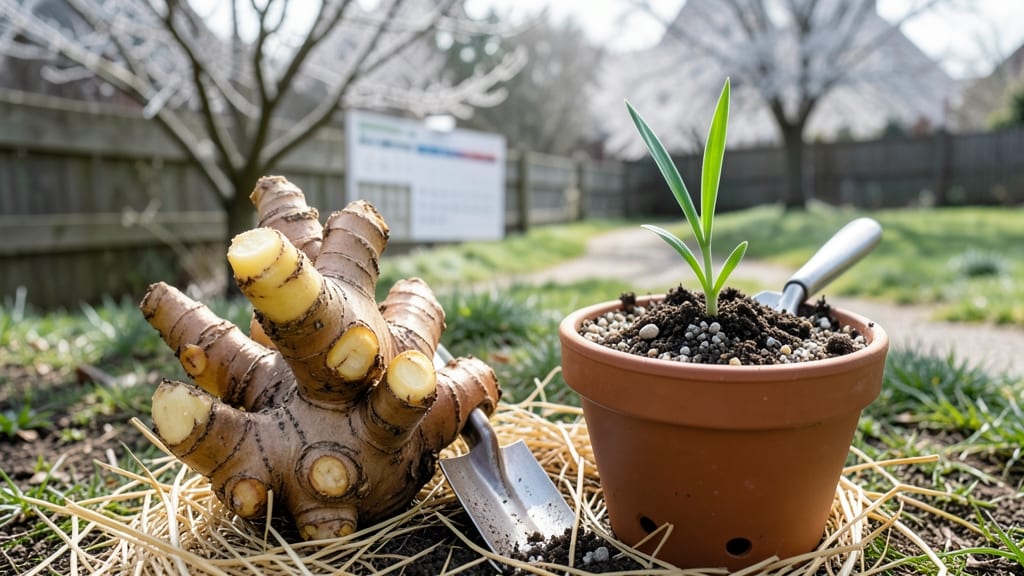
Knowing when to plant ginger in Zone 8 makes the difference between a thriving harvest and wasted rhizomes.
This tropical root needs precise timing to avoid frost damage or stunted growth, yet many gardeners in Zone 8 still get it wrong—planting too early risks rot, while waiting too long cuts harvest potential.
Ginger 🌿 thrives in Zone 8’s mild winters, but even here, the late February to early March window is ideal for spring planting, while fall offers a second chance in September. The key?
Soil temperature must stay above 60°F—any cooler, and your rhizomes won’t sprout. I’ll break down the exact schedule, including how to prep your soil and protect young plants from unexpected cold snaps.
You’ll learn how to spot the perfect planting moment—when your ginger’s leaves start unfurling and the ground warms consistently. Plus, I’ll share my top tricks for doubling harvest size, like mulching with straw to retain heat and choosing the right variety for your microclimate.
Whether you’re a first-time grower or a seasoned gardener, these insights will help you grow plump, aromatic ginger roots ready for harvest by October or December. Let’s get your rhizomes in the ground at the perfect time—no guesswork, just results.

Best planting months for ginger in Zone 8: avoiding frost and overheating risks
Zone 8 gardeners have a unique advantage for growing ginger—its long growing season and mild winters allow for two successful harvest cycles per year. Unlike colder zones, you can plant ginger in both spring and fall, but timing is critical to avoid soil temperature extremes that stunt rhizome development.
The ideal soil temperature for ginger rhizomes is 60–90°F. Planting too early in cool Zone 8 springs (before March) risks rot from cold soil, while planting too late in hot Zone 8 summers (after September) exposes rhizomes to heat stress before harvest.
Let’s break down the exact windows for each planting cycle.
🌱 Zone 8 Ginger Planting Summary
| Planting Cycle | Best Months | Soil Temp | Harvest Window | Key Risk |
|---|---|---|---|---|
| Spring | Late February–Early March | 60–75°F | October–December | Early frost |
| Fall | August–September | 75–90°F | June–July (next year) | Heat stress |
Note: Adjust for local microclimates—coastal areas (e.g., San Diego) can plant 1–2 weeks later than inland cities (e.g., Dallas).
For spring planting, aim for late February to early March when soil temperatures consistently reach 60°F. This gives rhizomes 10–12 months to mature before Zone 8’s first frost (typically mid-November).
In cities like Atlanta, where frosts can occur as early as November 15, prioritize planting by March 1 to ensure a full harvest cycle.
Fall planting offers a second harvest opportunity but requires precision. Plant ginger rhizomes in August (when soil is still warm) to allow root establishment before cooler weather. By September, focus on mulching heavily to insulate rhizomes from temperature swings.
In Dallas, where summers linger into October, extend fall planting to early September for a June–July harvest the following year.
Microclimates play a critical role in Zone 8. Coastal areas like San Diego (Zone 8b) can plant 1–2 weeks later due to milder winters, while inland Phoenix (Zone 9a) may need to plant earlier to avoid extreme summer heat.
Use a soil thermometer to verify temperatures—ginger rhizomes won’t sprout below 60°F, even in Zone 8.
One common mistake in Zone 8 is planting ginger too close to summer’s peak. If you plant in June or July, rhizomes may overheat and fail to develop properly.
Instead, opt for late summer (August) when soil temperatures begin to cool slightly. This balances heat tolerance with root development time before winter.
To maximize success, prepare your soil 2–3 weeks before planting. Ginger thrives in rich, well-draining soil with a pH of 6.0–7.0. Amend heavy clay soils with compost or coconut coir to improve aeration.
In sandy soils, mix in peat moss to retain moisture. Mulch with straw or leaves to maintain consistent soil temperatures and reduce weed competition.
Remember: Ginger is a patient plant. Rhizomes need 8–10 months to mature, so don’t rush planting. In Zone 8, this means spring plantings harvest in fall, while fall plantings yield the following summer. Plan accordingly to avoid wasted garden space or missed harvests.
For urban gardeners with limited space, consider container growing. Use 5-gallon pots with drainage holes and plant one rhizome per pot. Place containers in partial shade (e.g., under a patio awning) to mimic ginger’s natural understory habitat.
Containers also make it easier to move plants if frost threatens unexpectedly.
Finally, monitor local frost dates annually—they can shift 1–2 weeks due to climate variability. Check resources like the National Weather Service or local agricultural extensions for updates. With the right timing, your Zone 8 garden can produce fresh ginger year-round, reducing reliance on store-bought rhizomes.
Best planting months for ginger in Zone 8: avoiding frost and overheating risks
Zone 8’s mild winters and long growing season make it ideal for ginger—but timing matters. Plant too early, and cold soil (below 60°F) stunts growth. Too late, and fall frosts (after November 15) damage tender rhizomes.
My go-to window is late February to early March for spring plantings or August to September for a fall harvest cycle.
Soil temperature is your best guide. Ginger thrives when soil stays between 60–90°F. In Atlanta, soil warms to 65°F by mid-March, while San Diego hits 68°F by late February. Use a soil thermometer to confirm—ginger won’t sprout in cooler conditions.
🌱 Zone 8 Ginger Planting Summary
| Season | Best Month | Soil Temp | Frost Risk |
|---|---|---|---|
| Spring | Late Feb–Early March | 60–70°F | Low (post-last frost) |
| Fall | August–September | 75–85°F | Moderate (harvest before Nov) |
💡 Pro Tip: For San Diego’s coastal Zone 8, fall plantings can extend into October—just cover with mulch by November.
Microclimates in Zone 8 shift planting dates. Urban areas like Dallas (hotter summers) benefit from late summer plantings, while mountainous regions (e.g., Asheville) should wait until April. Check your last frost date—ginger needs 270–300 days to mature, so plan accordingly.
If you’re starting ginger indoors, begin 6–8 weeks before your outdoor window. Use seedlings or sprouted rhizomes to jumpstart growth. Harden off plants for 10–14 days before transplanting to avoid shock from temperature swings.
For fall plantings, aim to harvest before November 15. Ginger planted in September often yields smaller but spicier rhizomes—perfect for culinary use. Mulch with straw or leaves to insulate roots if early frosts threaten.
Remember: Ginger hates cold soil. Even in Zone 8, March plantings risk root rot if nights dip below 50°F. Use black plastic mulch to warm soil faster and extend your planting window by 2–3 weeks.