
Plants
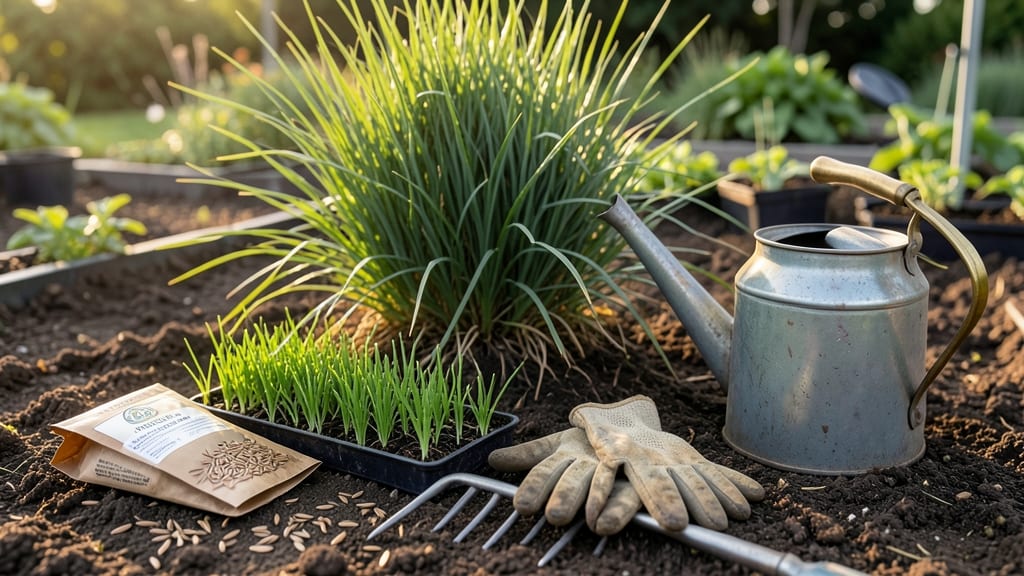
Timing your Fescue Grass planting in Atlanta isn't just about dropping seeds in the ground—it's about outsmarting the city's unpredictable weather to give your lawn the best shot at thriving. Plant too early, and summer heat will stress young sprouts; too late, and frost will stunt growth before roots establish.
The 4-6 week window before Atlanta's first frost (around mid-November) is your golden opportunity for fall planting, but spring has its own advantages too.
Atlanta's 7b-8a climate creates a unique challenge: hot, humid summers followed by mild winters. This means your 🌱 Fescue Grass needs to establish strong roots before temperatures drop below 50°F, which typically happens by late October.
That's why late summer to early fall (August-October) is prime time, but early spring (March-April) works too if you're patient enough to wait for soil to warm.
What most Atlanta gardeners get wrong is assuming "spring" means March planting. The reality? Your soil needs to be consistently 50°F for at least a week before planting. That usually means waiting until early April—any earlier, and you'll risk weak germination.
The key is matching your planting schedule to Atlanta's rainfall patterns and soil temperature trends, not just calendar months.
Let me show you exactly how to time your planting for maximum success, including soil prep tips that work with Atlanta's clay-heavy dirt and common mistakes that even experienced gardeners make. Your perfect lawn starts with getting this timing right.
Best months to plant fescue seed in Atlanta for optimal root establishment
Atlanta’s humid subtropical climate creates a narrow window for planting fescue seed—cool-season grass thrives when soil temperatures drop below 80°F but before the first frost. Missing this window means weaker roots or weed competition. Let’s break down the exact months and conditions for success.
For fall planting, aim for late August through early October, when daytime highs dip into the 70s°F and nights cool to 60°F. This gives seeds 6-8 weeks to germinate and establish roots before winter dormancy.
Spring planting is trickier—wait until March or early April when soil warms to 50°F+.
Atlanta’s USDA Zone 7b-8a means frost typically arrives by mid-November, but microclimates (like urban heat islands) can delay it. Check your local frost date and plant 4-6 weeks before to avoid stunted growth. For example, if frost hits November 15, seed by late September.
Rainfall patterns matter too—Atlanta averages 4-5 inches/month in late summer/fall, perfect for germination. If drought hits, supplement with 1/2 inch of water weekly until sprouts appear. Avoid planting after summer heatwaves (temps >85°F), as seeds may dry out before establishing.
🌱 Fescue Planting Timeline for Atlanta
| Season | Ideal Planting Window | Soil Temp | Key Consideration |
|---|---|---|---|
| Late Summer | Late August - Early September | 65-75°F | Avoid summer heat; seeds need moisture. |
| Early Fall | Mid-September - October | 55-70°F | Best window—cool temps + rainfall. |
| Early Spring | March - Early April | 50-60°F | Risk of late frosts; monitor forecasts. |
| Avoid | May - August | >80°F | Seeds dry out; weeds dominate. |
Pro tip: Use a soil thermometer to confirm temps—fescue seeds need 55-75°F to germinate. If your yard runs hotter (common in south-facing areas), plant shade-loving varieties like fine fescue and water deeply twice daily until sprouts appear.
Atlanta’s clay-heavy soils can compact after rain, smothering seeds. Loosen the top 2 inches with a rake or core aerator before planting. Spread 1/4 inch of compost over the area to improve drainage and nutrient retention—critical for root establishment before winter.
Don’t overlook light conditions: Fescue tolerates partial shade but thrives with 6+ hours of sun. If your lawn has tree shade, choose tall fescue blends, which handle low light better than fine fescue.
Test your yard’s sunlight with a sunlight map (use a free app to track sun exposure for 3 days).
For spring planting, time it with rainfall patterns: Atlanta’s March-April showers provide natural moisture, but supplement if dry spells exceed 5 days. Apply 1/2 inch of water in the morning to prevent fungal diseases like dollar spot, common in Atlanta’s humidity.
Finally, avoid planting after summer—weeds like crabgrass and chickweed explode in Atlanta’s heat. If you must overseed in summer, use a pre-emergent herbicide 2 weeks before seeding to suppress weeds without harming fescue.
Best months to plant fescue seed in Atlanta for optimal root establishment
Atlanta’s humid subtropical climate creates a narrow window for planting cool-season fescue grass. The ideal time is late summer to early fall, when soil stays warm enough for germination but temperatures begin cooling for root establishment.
This aligns with Atlanta’s first frost date around November 15, giving seeds 4-6 weeks to establish before dormancy.
For spring planting, aim for early March to April when soil temperatures reach 50°F consistently. This timing avoids the summer heatwave that can stress young seedlings. Atlanta’s USDA Zone 7b-8a climate means frost is a real risk if you plant too late in fall or too early in spring.
Soil temperature is your best guide: Use a soil thermometer to confirm 60-70°F for optimal germination. In Atlanta, this typically occurs in late August for fall planting and early March for spring. Rainfall patterns also matter—Atlanta averages 4-5 inches/month in late summer, perfect for moisture retention without waterlogging.
Atlanta’s microclimates can shift planting windows by 1-2 weeks. North-facing slopes stay cooler longer, while south-facing areas warm up faster. Test your soil’s readiness by placing a thermometer 4 inches deep—this mimics seed depth.
If your yard has clay-heavy soil common in metro Atlanta, amend it first to improve drainage and warmth retention.
Missed the fall window? Don’t panic—spring planting works too, but avoid May when temperatures exceed 85°F. Young fescue struggles in heat, leading to brown patches or poor establishment. For best results, overseed in fall when Atlanta’s humidity supports germination without extreme heat or cold.
Pro tip: Mark your calendar for September 15—this is Atlanta’s sweet spot for fall planting. By then, summer weeds have peaked, and soil remains warm enough for 70% germination rates. Pair this with light mulching to retain moisture and watch your fescue thrive before winter sets in.