
Plants
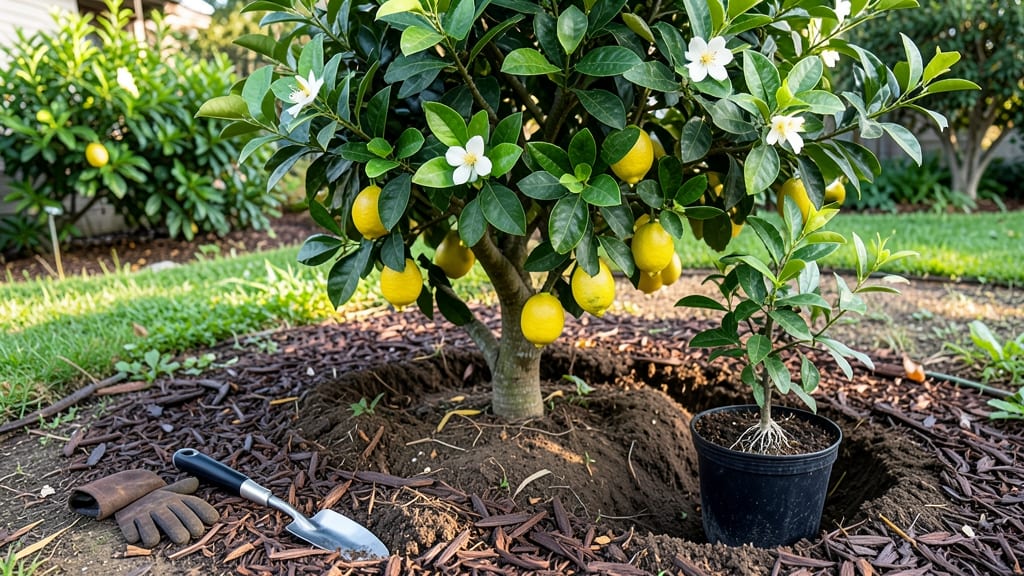
The best time to plant a lemon tree in California isn’t just about the calendar—it’s about giving your 🍋 tree the perfect start in your specific USDA zone. Whether you’re in frost-free coastal areas (9b-10) or inland valleys (9a-10a), timing directly impacts root growth and survival rates.
Most gardeners swear by late winter to early spring, but why? This window aligns with California’s mild winters and avoids the extreme heat of summer. For coastal regions, you can even plant year-round, while inland areas should wait until after December 15 to dodge surprise frost.
I’ll break down exactly which months work best for your zone, plus pro tips to prep your soil and site for maximum success. Skip the guesswork—let’s get your lemon tree off to a thriving start.
Ready to plant? You’ll also discover how to spot early stress signs and adjust care based on your microclimate. No more second-guessing—just confident planting!
California’s optimal lemon tree planting windows by USDA Zone
California’s diverse climate—from coastal fog to inland heat—means the best time to plant lemon trees varies by USDA zone. Most regions thrive with late winter to early spring planting, but coastal areas (Zones 9b-10) offer a longer window due to milder winters.
Inland valleys (Zones 9a-10a) demand precision to avoid late frost risks, which can kill young roots.
Lemon trees are evergreen perennials, but their root establishment is most successful when planted after the last frost date. In Southern California (Zones 10-11), you can plant year-round, but March-April remains ideal for bare-root trees.
Northern California (Zones 8-9) requires patience—wait until after March 15 to ensure frost-free growth.
Container-grown lemon trees adapt better to off-season planting but still need 6-8 weeks of warm soil (above 60°F) for roots to spread. Fall planting is risky in frost-prone zones but works in Zone 10+ if you use mulch and windbreaks.
| USDA Zone | Best Planting Window | Avoid Planting | Root Growth Tip |
|---|---|---|---|
| 9a-9b (Northern CA) | March 15 - April 30 | November - February (frost risk) | Use mulch to insulate roots |
| 10a-10b (Central/Southern CA) | Year-round (best March-April) | None (but avoid summer heatwaves) | Water deeply 2x/week post-planting |
| 11 (Desert/Coastal) | October - May (avoid summer) | June - September (extreme heat) | Use drip irrigation for water efficiency |
In Zone 9a (e.g., Sacramento Valley), April 1 is your cutoff—planting after this risks heat stress before roots establish. Meanwhile, Zone 10b (Los Angeles) allows fall planting, but young trees need shade cloth if temps exceed 90°F.
Container-grown trees handle transplant shock better than bare-root, so they can go in 2-3 weeks earlier in spring. For dwarf varieties (like Meyer lemons), this flexibility extends their harvest window by 4-6 weeks compared to standard trees.
Watch for microclimate shifts: Coastal areas like Santa Barbara (Zone 9b) may see frost in January, while inland San Joaquin Valley (Zone 10a) stays frost-free. Use local Cooperative Extension reports to adjust your timeline.
If you miss the spring window, fall planting (September-October) works in Zones 10-11, but avoid it in Zone 9—new roots won’t harden before winter. Root growth slows below 60°F, so timing is critical for first-year survival.
Pro tip: Soil temperature matters more than air temp. Use a soil thermometer—roots need 65°F+ to thrive. In Zone 9, wait until soil hits this mark before planting, even if air temps are mild.
🌱
How to prepare your lemon tree for California’s planting seasons
Preparing your lemon tree for California’s planting seasons is half the battle for long-term success. Whether you’re planting in Zone 9a or Zone 10b, your soil and site prep will determine how quickly roots establish and how resilient your tree becomes during California’s dry summers.
Start by testing your soil pH—lemons thrive in 6.0-7.0 range. If your soil is too alkaline (common in coastal areas), amend it with sulfur or peat moss before planting. Inland gardens often need compost or aged manure to improve drainage and fertility.
For container-grown trees, prune roots gently if they’re circling the pot. This encourages outward growth once planted. If your tree is bare-root, soak the roots in water mixed with mycorrhizal fungi for 1-2 hours before planting to boost early root development.
⚠️ Critical Warning: Avoid Planting in Summer Heat
Planting during June-August stresses young lemon trees with heat shock and transplant shock. Even established trees struggle to establish roots in 100°F+ soil. If you must plant in summer, use shade cloth for the first 4-6 weeks and water twice daily.
California’s Mediterranean climate means your watering strategy must shift with the seasons. Before planting, install a drip irrigation system or soaker hose—this delivers water deeply and slowly, mimicking natural rainfall. Avoid overhead sprinklers, which can spread fungal diseases like citrus greening.
Choose a planting site with well-draining soil and 6+ hours of sunlight. Inland areas benefit from afternoon shade (like a nearby building or tree) to protect young leaves from intense afternoon sun. Coastal gardeners can plant in full sun year-round since marine layers moderate temperatures.
Finally, mulch with 3-4 inches of wood chips or straw to retain moisture and regulate soil temperature. Keep mulch 6 inches away from the trunk to prevent rot. This step is non-negotiable in California’s dry summers—it can double survival rates for newly planted trees.
With these prep steps, your lemon tree will thrive from day one, regardless of whether you’re in frost-prone Zone 9 or mild Zone 11. Just remember: soil prep + root care = happy citrus! 🌱