
Plants
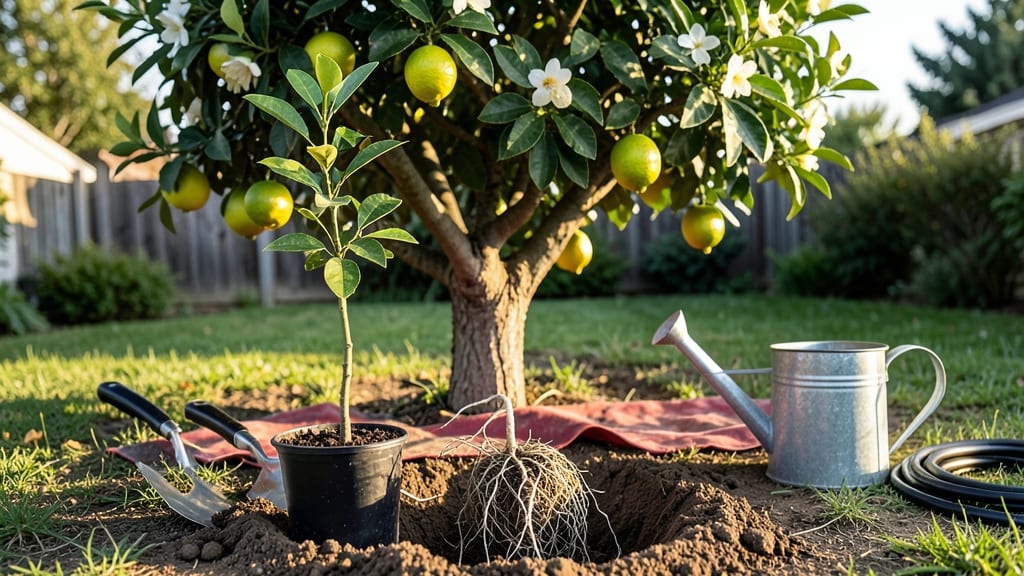
Timing your lemon tree planting in Louisiana could mean the difference between a thriving 🍋 harvest and a sad, frost-killed sapling. The state’s unpredictable cold snaps make getting those roots down at the right moment absolutely critical—especially if you’re dreaming of homegrown lemons by late spring.
Most gardeners in zones 8a-9b swear by planting between March and April, after the last frost typically passes around mid-February.
But here’s the catch: if you’re in colder inland areas like Natchitoches, you might need to wait another week or two to give your tree a fighting chance against early chills.
Why does this matter so much? Because a lemon tree planted too early faces frost damage that can stunt growth for years. And trust me, nobody wants to watch their citrus investment wilt before it even gets a chance to fruit.
I’ll break down the exact window for your region, plus pro tips to protect your tree from Louisiana’s sneaky freezes—whether you’re planting in New Orleans’ coastal warmth or Shreveport’s cooler inland climate. Let’s get those lemons growing right.
Best planting months in Louisiana to avoid freezes and maximize growth
Louisiana’s humid subtropical climate (USDA Zones 8a-9b) makes it possible to grow lemon trees year-round, but timing your planting is critical to avoid frost damage. The ideal window is March through April, after the last average frost date (typically mid-February in most regions).
Planting too early risks cold snaps, while waiting too late may stunt early growth before summer heat sets in.
Coastal areas like New Orleans and Lafayette enjoy longer frost-free seasons (up to 270 days), giving you flexibility to plant as late as May. Inland regions such as Shreveport or Natchitoches (Zone 8a) should stick to March to avoid 20°F dips that can kill young trees.
Always check your local last frost date—a quick Google search for "[your parish] frost dates" will save your tree.
Spring planting (March-April) gives your lemon tree 12+ weeks of warm soil before summer, which encourages root establishment. Fall planting is riskier in Louisiana due to unpredictable December freezes, but November can work in Zone 9b (e.g., Houma) if you use frost protection.
🌱 Pro Tip: If you must plant in fall, choose a dwarf Meyer lemon—they’re hardier and recover faster from cold stress. Always mulch heavily (3-4 inches) and wrap the trunk with burlap for extra insulation.
| Planting Window | Best For | Frost Risk | Growth Benefit |
|---|---|---|---|
| March–April | All Louisiana regions | Low (after last frost) | Strong root establishment before summer |
| May | Coastal Zones (9a–9b) | None | Avoids early heat stress |
| November (Zone 9b only) | Southern Louisiana | Moderate (use protection) | Longer root season before winter |
| Avoid: February, December | All regions | High (freeze risk) | Stunted growth or death |
🌡️ Note: Louisiana’s microclimates vary—coastal areas are 3–5°F warmer than inland zones.
For container-grown lemon trees, you can plant anytime in Louisiana’s warmer months (March–October) since pots offer mobility. Move containers indoors or to a garage/sunroom when temps drop below 40°F. This flexibility lets you extend your growing season in colder parishes like Bossier City (Zone 8a).
Soil temperature is just as critical as air temperature. Lemon trees thrive in soil above 60°F, so wait until mid-March (or later in Zone 8a) to plant.
Use a soil thermometer to check—if it’s below 60°F, delay planting by 2–4 weeks or use black plastic mulch to warm the soil faster.
If you’re in New Orleans or Baton Rouge, aim for late March to capitalize on the long, hot summers (Zone 9a). Inland areas like Alexandria (Zone 8a) should plant by early April to avoid late-spring frosts, which are more common than you’d think.
Always monitor local weather forecasts—a 28°F night can kill a young lemon tree in hours.
One common mistake is planting too late in spring (May–June), which can lead to heat stress in young trees. The sweet spot is April: warm enough for roots but cool enough to avoid transplant shock from sudden summer heat. Water deeply before planting and mulch immediately to retain moisture.
🌿 Key Takeaway: Stick to March–April for in-ground planting and March–October for containers. Coastal gardeners have more flexibility, while inland growers should plant early and protect aggressively in winter. Your lemon tree’s survival depends on timing + preparation—not just luck.
Alternative planting times for dwarf vs. standard lemon trees in Louisiana
Louisiana’s diverse microclimates mean your lemon tree planting strategy should depend on whether you’re growing a dwarf Meyer lemon or a standard variety. Dwarf trees like the Meyer lemon are hardier and adapt better to cooler parishes like Natchitoches, while standard varieties thrive best in coastal zones like Houma.
Here’s how to adjust your timeline for each type.
For dwarf lemon trees, you can push planting to early spring (February) or even late fall (November) in warmer zones like Zone 9a. Their smaller size and faster establishment make them more resilient to mild freezes.
Just ensure they’re in well-draining containers if you’re in a colder microclimate, like Shreveport.
Standard lemon trees, however, demand warmer soil and should only go in the ground after mid-April in most of Louisiana. Their larger root systems struggle to establish before last frost dates, leaving them vulnerable to root rot or cold damage.
If you’re in Zone 8a, like in northern Louisiana, opt for container planting and delay outdoor placement until May.
Dwarf Lemon Trees
- ✅ Pros
- 🌱 Faster establishment (harvest in 2-3 years)
- 🌡️ Tolerates mild freezes (Zone 8a with protection)
- 🪴 Ideal for containers (move indoors in winter)
Standard Lemon Trees
- ✅ Pros
- 🍋 Larger fruit yield (50% more lemons per tree)
- ☀️ Thrives in coastal heat (Zone 9a+)
- 🌳 Permanent landscape feature
Dwarf Lemon Trees
- ⚠️ Cons
- 🌡️ Needs winter protection in cold zones
- 🍋 Smaller fruit (better for juicing, not slicing)
Standard Lemon Trees
- ⚠️ Cons
- ⏳ Slower to bear fruit (4-5 years)
- 🌡️ Freeze-sensitive (needs Zone 9a+)
If you’re in northern Louisiana, like Natchitoches, consider starting dwarf Meyer lemons in containers indoors in January and transplanting them outdoors in April. This gives them a 6-week head start on growth before the last frost.
For coastal areas, like Grand Isle, standard varieties can handle fall planting in November with minimal protection.
Pro tip: Use mulch (3-4 inches) around the base of both dwarf and standard trees to insulate roots during unpredictable cold snaps. In Zone 8a, add a frost blanket on nights below 32°F—even dwarf varieties will thank you for the extra care.
Remember, container-grown trees offer the most flexibility. Move them to sheltered patios or garages during winter months to extend your growing season. With the right variety and timing, you can enjoy homegrown lemons year-round, even in Louisiana’s humid subtropical climate. 🍋