
Plants
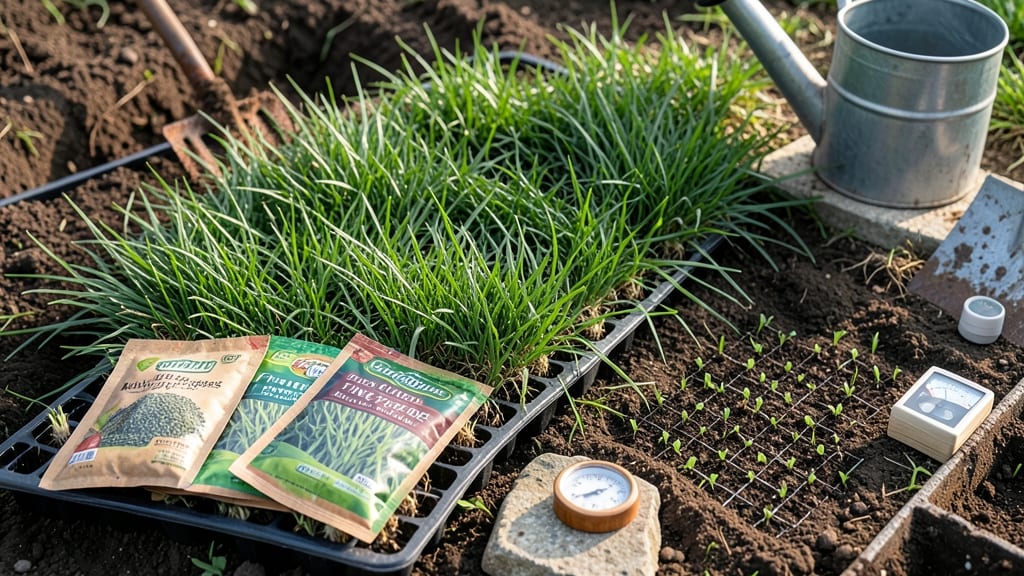
Knowing when is it too late to plant grass in Massachusetts could mean the difference between a lush lawn next spring and a patchy, weed-infested yard. With our unpredictable 5b-6b climate, timing is everything—especially when early frosts can sneak in by October.
Most gardeners aim to plant 🌱 Grass (Turfgrass) between late August and early October, but life happens. If you're still holding that seed bag, don't toss it just yet—there are ways to stretch your window, even into September, with the right strategies.
In this guide, I’ll break down the exact last-minute deadlines by region (coastal vs. inland) and share proven techniques to give your grass the best shot at survival. Whether you're dealing with sandy soil in Cape Cod or cooler microclimates in the Berkshires, we’ve got you covered.
Let’s cut to the chase: You’ll learn how to read your local frost forecast, prep your soil for late-season planting, and choose the hardiest grass varieties for Massachusetts’ tricky fall weather. Your perfect lawn starts here—no matter how late it is.
Massachusetts grass planting deadlines by region: southern vs. northern last chances
Massachusetts’ diverse climate means your last chance to plant grass depends heavily on where you live. Coastal areas like Cape Cod and Boston enjoy milder temperatures, while inland regions like Pittsfield and the Berkshires face earlier frosts.
For cool-season grasses (Kentucky bluegrass, tall fescue), aim to plant 4-6 weeks before the first frost—typically mid-September to early October in most areas.
Warm-season grasses like Bermuda or Zoysia are rare in MA but can be planted as late as late May to early June if you’re targeting southern regions. However, these won’t thrive in northern MA’s shorter growing season. Always check your USDA Zone (5b-6b) for precise timing.
Soil temperature is your best guide: Grass seeds need soil at 50-65°F to germinate. Use a soil thermometer—if temps drop below 50°F at night, your window is closing. Coastal areas can push planting 1-2 weeks later than inland zones due to moderating ocean breezes.
Here’s how your region breaks down for late-season grass planting:
Massachusetts Grass Planting Deadlines by Region
| Region | Last Chance Date | Soil Temp Threshold | Grass Types | Key Risk |
|---|---|---|---|---|
| Southern MA (Boston, Cape Cod) | Early October | 50-65°F (nighttime) | Kentucky bluegrass, Fine fescue | Hurricane delay (Sept) |
| Central MA (Worcester, Springfield) | Mid-September | 55-60°F (nighttime) | Tall fescue, Perennial ryegrass | Early frost (Oct) |
| Northern MA (Pittsfield, Berkshires) | Late August | 50-55°F (nighttime) | Fine fescue, Creeping red fescue | Hard freeze (Oct) |
*Check local frost dates yearly—climate change shifts timelines!
Northern MA’s hard freeze risk means you must plant by late August to avoid winter kill. In contrast, southern MA’s coastal buffer can sometimes extend planting into early October, but Hurricane Season (Sept) adds unpredictability—delays from storms can turn a "safe" window into a gamble.
For warm-season grasses like Bermuda, focus on southern MA only. These grasses need consistent 75°F+ soil temps to thrive, making them unsuitable for northern regions. If you’re in Zone 6b (northern MA), stick to cool-season varieties like fine fescue, which tolerate colder soils.
Pro tip: Ryegrass cover crops can buy you extra time. Planting a ryegrass mix in late September lets you overseed with perennial ryegrass in spring—this 2-step method extends your effective planting window by 2-3 weeks.
Always test your soil pH (6.0-7.0 ideal) before planting. Acidic soil (pH <5.5) will stunt grass growth, making late-season planting even riskier. Amend with lime 4-6 weeks before seeding if needed.
🌱
How late can you plant grass in Massachusetts? Factors that extend your window
If you’re staring at that unplanted grass seed bag in late September, don’t despair—you can still plant 🌱 grass in Massachusetts with the right approach.
While the ideal window closes by mid-October, pushing your timeline into early October (or even late September in coastal areas) is possible with smart strategies.
Your success hinges on three key factors: soil temperature, seed selection, and weather protection. Massachusetts’ 5b-6b climate means soil stays warm enough for germination until early October, but you’ll need to act fast to give roots time to establish before frost.
Here’s how to extend your planting window by 2-4 weeks without sacrificing your lawn’s health. We’ll cover soil prep hacks, the best late-season grass varieties, and protective techniques to shield tender seedlings from early freezes.
🔍 5 Pro Tips to Push Your Grass Planting Later
- Test soil temps: Plant only when soil is 50-65°F (use a soil thermometer—cooler temps slow germination).
- Choose cold-hardy seeds: Opt for tall fescue or ryegrass mixes—they germinate faster in cool soil.
- Prep soil aggressively: Loosen soil 8-10 inches deep and mix in compost to improve drainage.
- Mulch immediately: Apply straw mulch (¼ inch thick) to insulate seeds and retain moisture.
- Monitor forecasts: Avoid planting if frost is predicted within 10 days—use a row cover instead.
For coastal Massachusetts (like Cape Cod or the South Shore), you’ve got until early October thanks to the moderating ocean influence. Inland areas (Worcester, Springfield) should aim for mid-September at the latest, while northern regions (Northampton, Greenfield) face stricter deadlines by late September.
Pro tip: If you’re planting in October, focus on small sections first. Test a 2x2 ft patch with your chosen seed to gauge germination success before committing to the whole lawn. This minimizes risk if frost arrives early.
Remember, watering discipline is your secret weapon. New grass needs 1 inch of water weekly (deep soaks, not light sprinkles) to establish roots. Use a rain gauge to track rainfall—overwatering in cool weather can suffocate seeds.