
Plants
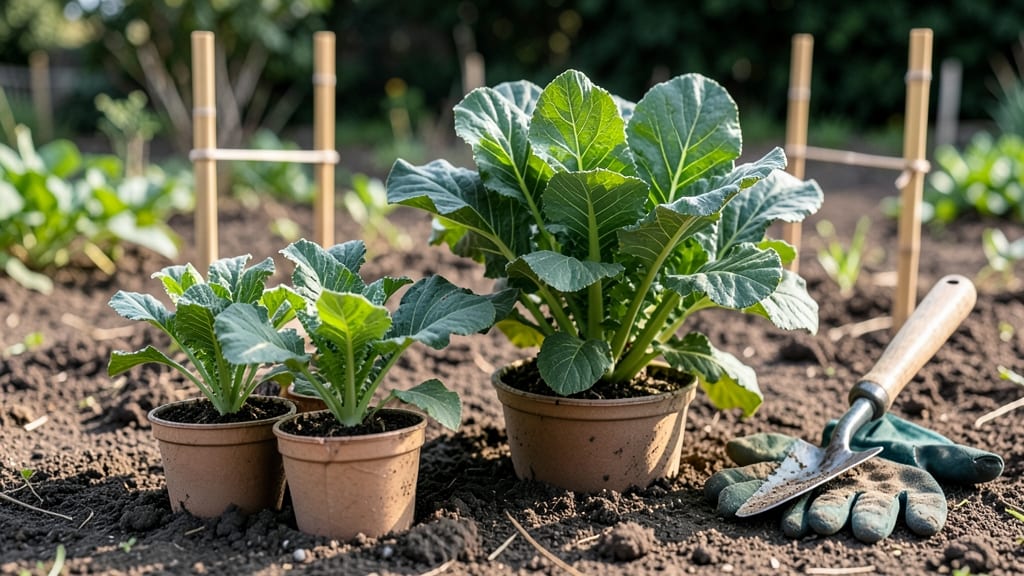
Planting turnip greens at the wrong time in Tennessee can mean the difference between a bountiful harvest of tender, flavorful leaves and a disappointing batch of tough, bitter greens.
With the right timing—especially in USDA Zones 6a-7b—you can enjoy fresh 🥬 from spring through fall, whether you're whipping up Southern-style collards or adding them to salads.
Most Tennessee gardeners focus on two key windows: early spring (March-April) and late summer (August-September). These periods align perfectly with the state's frost dates, giving your turnip greens enough cool weather to thrive before summer heat sets in.
But getting the timing just right is the key to avoiding common pitfalls like stunted growth or premature bolting.
In this guide, I’ll break down the exact planting schedule for your region, including soil prep tips and regional adjustments for Nashville, Chattanooga, and Knoxville.
You’ll also discover how to extend your harvest by using succession planting and cold-hardy varieties—so you can enjoy turnip greens for months, not just weeks.
Whether you're a first-time gardener or a seasoned green thumb, these insights will help you grow turnip greens that are faster, more productive, and perfectly suited to Tennessee’s climate. Let’s get started!
Best planting times for turnip greens in Tennessee Zones 6a/7a (with frost dates)
Tennessee’s mild winters and humid summers create perfect conditions for growing turnip greens, but timing is everything. In Zones 6a/7a, your planting window hinges on average last frost dates—typically mid-April in Nashville and early April in Chattanooga.
For a fall harvest, aim for August to early September before the first frost hits in mid-October.
Turnip greens are a cool-season crop, meaning they thrive in 50–75°F soil temperatures. Planting too early in cold soil can stunt growth, while waiting too long risks bolting (premature flowering) in summer heat.
The key is 4–6 weeks before your last frost for spring or 60–75 days before first frost in fall.
Here’s how to align your planting with Tennessee’s climate zones and microclimates:
| Planting Window | Zone 6a (Nashville, Knoxville) | Zone 7a (Chattanooga, Memphis) | Key Notes |
|---|---|---|---|
| Spring Planting | March 15–April 15 | March 1–April 10 | Soil temp ≥50°F; use row covers if frost threatens. |
| Fall Planting | August 1–September 10 | July 25–August 25 | Harvest before first frost; succession plant every 2 weeks. |
| Direct Sowing vs. Transplanting | Direct sow ½" deep; transplant seedlings 2–3 weeks after sowing | Same as Zone 6a | Transplants speed up harvest by 10–14 days. |
| Microclimate Adjustments | Mountains (higher elevation): Push spring planting to April 1–May 1 | Valleys (warmer): Start fall planting by July 15 | Use frost-free date calculators for your exact location. |
For fastest harvests, opt for transplanting instead of direct sowing. Start seeds indoors 4–6 weeks before your target planting date, then transplant seedlings when they’re 3–4 inches tall. This cuts 10–14 days off your growing time, critical in Tennessee’s short cool seasons.
If you’re in a warmer microclimate (like Memphis or the Mississippi River valley), you can push your fall planting into early August. However, avoid planting after September 1 in Zone 6a or August 25 in Zone 7a, or your greens may bolt before frost.
Pro tip: Use black plastic mulch to warm soil in early spring or straw mulch to retain moisture in fall. Both tricks help you extend your planting window by 1–2 weeks on either end.
Remember, turnip greens are cold-hardy down to 20°F, but they’ll taste sweeter and more tender if you harvest before hard frosts. Plan to harvest 30–60 days after planting, depending on your variety.
🌱
Best planting times for turnip greens in Tennessee Zones 6a/7a (with frost dates)
Tennessee’s USDA Zones 6a/7a offer two ideal windows for planting turnip greens: early spring and late summer. In Nashville, Chattanooga, and Knoxville, the average last frost date falls between mid-April and early May, while the first frost typically arrives in mid-October.
Timing your plantings around these dates ensures tender, flavorful greens instead of bitter or frost-damaged leaves.
For a spring harvest, start sowing seeds 4-6 weeks before your last frost date—usually in late February to early March. This gives seedlings enough time to mature before summer heat sets in.
In fall, plant 8-10 weeks before the first frost, around late August to early September, to enjoy a second harvest before winter arrives.
Direct sowing is the easiest method for turnip greens, but you can also transplant seedlings for a slightly faster harvest.
Just ensure they’re hardened off first to avoid transplant shock. Microclimates matter too—gardeners in higher elevations (Zone 6a) should plant 1-2 weeks later than those in warmer valleys (Zone 7a).
| Season | Planting Window | Harvest Window | Key Notes |
|---|---|---|---|
| Spring | Late February–Early March | May–June | Plant 4–6 weeks before last frost; avoid summer heat. |
| Fall | Late August–Early September | October–November | Plant 8–10 weeks before first frost; protect from light frosts. |
If you’re in a warmer microclimate (like Memphis), you might squeeze in a late-winter planting in January for an early spring harvest. Conversely, gardeners in cooler mountain areas (like the Smokies) should delay until mid-March to avoid frost damage.
Always check your local Almanac’s frost dates for precision—even a few degrees can shift your timeline.
For fastest results, use cold-hardy varieties like ‘Purple Top White Globe’ or ‘Tokyo Cross’, which tolerate light frosts and mature quickly. These varieties also handle Tennessee’s humid summers better than heat-sensitive types.
Pair them with well-draining soil (pH 6.0–7.0) and full sun (6+ hours daily) for optimal growth.
Pro tip: Mark your calendar for succession plantings every 2 weeks in spring and fall. This ensures a continuous harvest instead of one big batch.
Just remember—turnip greens are bolting-sensitive, so avoid planting too early in spring or too late in fall, or you’ll end up with bitter, flowering plants instead of tender greens.