
Plants
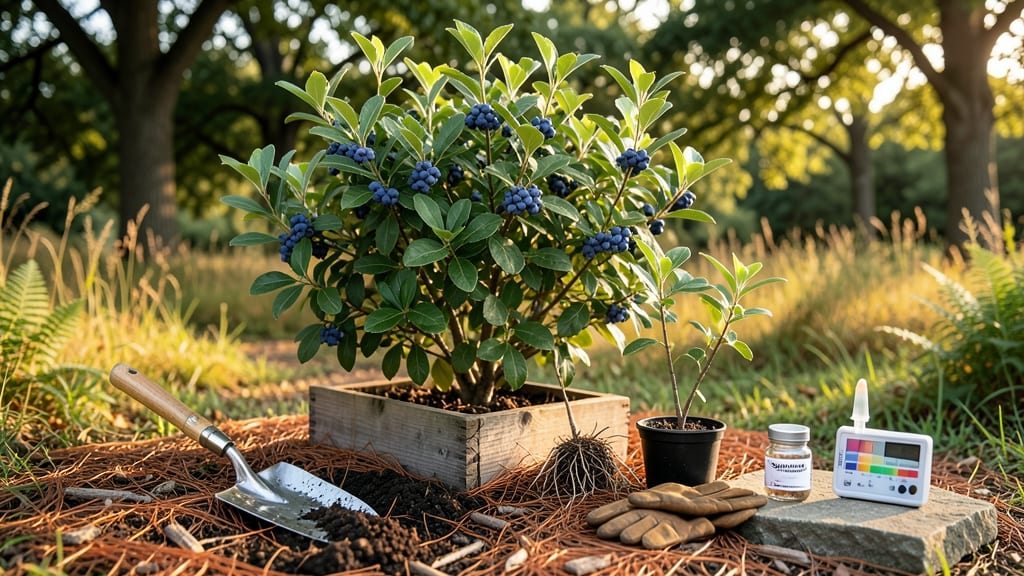
Planting blueberries in Massachusetts isn’t just about timing—it’s about survival. A single late frost can turn your 🫐 dream harvest into a sad, frozen disappointment, and getting the window wrong means years of lost potential.
The good news? With the right strategy, you can outsmart Mother Nature and give your bushes the perfect head start.
Here’s the secret: Massachusetts’ 5b-6b zones demand precision. Plant too early, and frost will scorch tender roots; too late, and your bushes won’t establish before winter sets in. Whether you’re working with bare-root saplings or container-grown plants, the frost-free window is your golden ticket to success.
In this guide, I’ll break down the exact months to plant—late April to early June for spring or September for fall—plus soil prep tricks and variety-specific tips. No more guesswork, just a thriving blueberry patch waiting for you.
Ready to turn your yard into a blueberry paradise? Let’s dive into the zone-by-zone timeline that’ll have you harvesting juicy berries by next summer.
Massachusetts blueberry planting timeline by hardiness Zone (5b-6b)
Massachusetts’ hardiness zones 5b-6b create distinct planting windows for blueberries—miss the mark, and your bushes may struggle to establish roots before winter. The last average frost date in most of the state is around April 15, but microclimates near coastal areas can delay frost by 2-3 weeks.
Inland zones like the Berkshires or Worcester often see frost until May 1, so timing is everything.
For spring planting, aim for late April to early June after the soil warms to 45°F (7°C). Fall planting is ideal in September-October, giving roots 4-6 weeks to establish before winter dormancy.
Northern zones (5b) benefit more from fall planting, while southern zones (6b) can handle both seasons.
Bare-root plants need immediate watering and mulching to prevent root desiccation, while container-grown blueberries offer flexibility for late-season planting. Always check your local USDA frost calendar—tools like the Massachusetts Horticultural Society’s frost maps are invaluable for pinpointing your exact window.
🌱
| Zone (5b/6a/6b) | Ideal Planting Window | Soil Temp Requirements | Frost Risk Period | Root Establishment Goal | Pro Tip for Zone |
|---|---|---|---|---|---|
| 5b (Northwest MA) | Late April–May 15 (spring) or Sept 15–Oct 15 (fall) | 45–50°F (7–10°C) | May 1–June 1 | 6–8 weeks before first frost | Prioritize fall planting—shorter growing season demands early root start. |
| 6a (Central MA) | Late April–June 1 (spring) or Sept 1–Oct 10 (fall) | 50–55°F (10–13°C) | April 15–May 10 | 8–10 weeks before first frost | Use mulch depth of 4–6" to insulate roots in winter. |
| 6b (Southeast MA) | April 20–June 10 (spring) or Sept 10–Oct 15 (fall) | 55–60°F (13–16°C) | April 1–April 15 | 10–12 weeks before first frost | Coastal areas can plant 2 weeks later—monitor local frost data. |
In Zone 5b, where winters are harsher, focus on northern highbush varieties like 'Patriot' or 'Duke'—they tolerate colder soils and shorter growing seasons. Southern zones (6b) can experiment with southern highbush varieties like 'Jersey' or 'Bluecrop', which thrive in warmer microclimates but still need winter protection.
Always test your soil’s pH (4.5–5.5) before planting—blueberries are acid-loving and won’t thrive in alkaline soil. Amend with peat moss or sulfur if needed, and avoid fresh manure, which raises pH. A simple $10 soil test kit from local nurseries like Wayland’s Garden Center saves headaches later.
For container planting, extend your window by 2–3 weeks—pots warm up faster in spring and can be moved to sheltered spots. Just ensure containers have drainage holes and use a well-draining acidic mix (e.g., 50% peat moss, 30% pine bark, 20% perlite).
🌿
Pro tip: Mark your planting date on a garden calendar and set reminders for first-year pruning (summer) and winter mulching (November). Blueberries planted in fall often outperform spring plantings in Massachusetts because they establish roots before the first frost, giving them a 30% head start the following spring.
Best blueberry varieties for Massachusetts and their planting nuances
Choosing the right blueberry variety for Massachusetts is half the battle—some thrive in Zone 5b’s colder snaps, while others struggle with Zone 6b’s humidity. Northern highbush types like ‘Patriot’ and ‘Bluecrop’ dominate local gardens, but dwarf varieties like ‘Top Hat’ fit smaller spaces perfectly.
Each has unique planting quirks, from pollination needs to frost tolerance, so let’s break down the best picks and their ideal timing.
‘Bluecrop’, the gold standard for MA gardens, needs spring planting (April–May) to establish roots before summer heat. Its high yield (up to 10 lbs/plant) makes it worth the effort, but it requires cross-pollination—plant ‘Patriot’ nearby for better fruit set. ‘Jersey’, another top performer, handles Zone 5b’s cold better but demands acidic soil (pH 4.5–5.5) or it won’t thrive.
For small spaces or containers, ‘Top Hat’ (dwarf) is a game-changer—it matures at 3–4 ft tall and fruits in 2–3 years.
Plant it in late spring (May–June) to avoid frost heave, and pair it with ‘Sunshine Blue’ for pollination. ‘Duke’, a southern highbush, stretches the zone limits but needs fall planting (September) to harden off before winter.
🌱 Variety Rating Guide
Pro Tip: If you’re in Zone 5b, stick to northern highbush varieties—they handle 20°F winters without flinching. Zone 6b gardeners can experiment with ‘Duke’ or ‘Chippewa’, but monitor for late-spring frosts (they’re more sensitive). Always test soil pH before planting—blueberries refuse to grow in alkaline soil, no matter the variety.
For container growing, ‘Sunshine Blue’ and ‘Top Hat’ are your best bets—they tolerate pot life better than standard bushes.
Use acidic potting mix (pH 4.5–5.5) and 15-gallon pots for mature plants. Fall-planted containers in September give roots a head start before winter, while spring plantings (May) avoid frost heave in heavy clay soils.
Remember: Pollination matters! Plant at least two compatible varieties (e.g., ‘Bluecrop’ + ‘Patriot’) for reliable fruit. If space is tight, ‘Top Hat’ + ‘Sunshine Blue’ deliver pints of berries in tiny footprints—perfect for balcony gardens or small yards. 🫐