
Plants
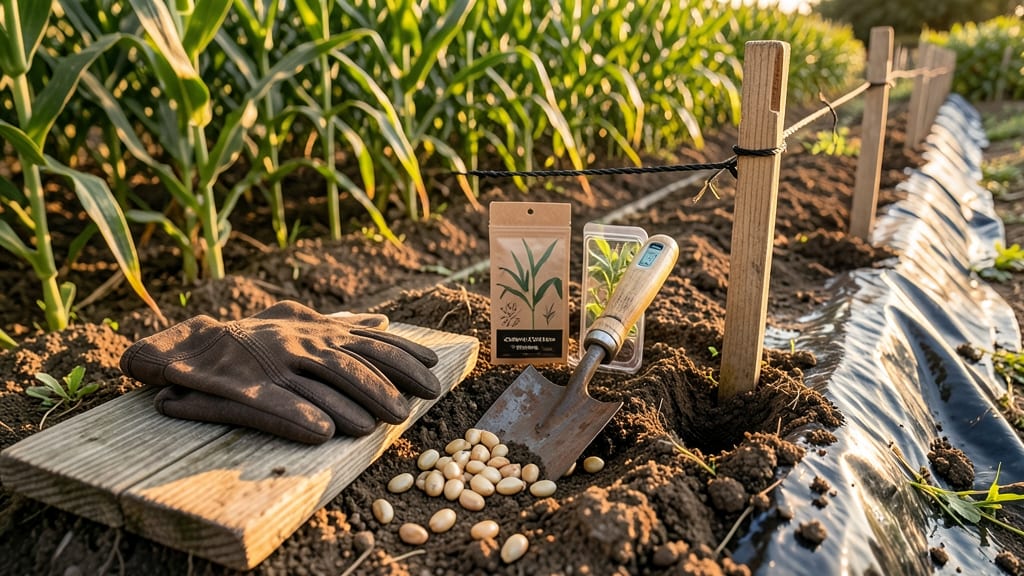
Planting corn in Zone 6b isn’t just about tossing seeds in the dirt—it’s about timing soil warmth and frost-free days to guarantee those sweet, juicy ears you’ve been dreaming of. 🌽 With just a few weeks off, you could end up with stunted plants or worse, frost damage that ruins your harvest before it even starts.
Most gardeners in Zone 6b wait until mid-April to early May, but that’s only part of the story. The real secret lies in soil temperature—corn needs the ground to hit at least 60°F before you even think about planting. Too cold, and your seeds will rot in the ground.
In this guide, I’ll walk you through exactly when to plant, how to test your soil, and the best varieties for your climate. Plus, I’ll share pro tips to avoid common mistakes that waste time and effort.
By the end, you’ll know not just when to plant, but how to set your corn up for a bountiful harvest from late July through October. Let’s get those kernels growing!

Zone 6b corn planting timeline: frost dates & soil temperature rules
In Zone 6b, corn thrives when planted after the last frost and when soil temperatures consistently reach 60°F or warmer. The average last frost date falls around mid-April, but your exact timing depends on your local microclimate and variety.
Early varieties like 'Early Sunglow' can handle slightly cooler soil, while standard varieties need warmer conditions.
Corn is sensitive to frost—even a light freeze (32°F) can kill seedlings. Since Zone 6b has about 165 frost-free days, you’ll want to plant early enough to mature before the first frost in mid-October.
Most corn varieties take 70-100 days to harvest, so aim for a planting window between mid-April and early May.
Here’s the golden rule: Wait until the soil is warm enough. Cold soil delays germination and weakens seedlings. If your soil stays below 50°F for more than a week, your corn may rot or fail to sprout.
Use a soil thermometer to check—plant only when temperatures are stable at 60°F or higher for at least 5 consecutive days.
For succession planting, you can try a second planting in early June for late-season varieties like 'Black Aztec'. This extends your harvest but requires faster-maturing varieties to avoid frost. Just ensure you have enough space, as corn needs 30-36 inches between rows to support tall stalks.
Pro tip: If your soil is slow to warm, consider using black plastic mulch or planting in raised beds. These methods raise soil temperatures by 5-10°F, giving you an earlier start. Just remove the mulch once plants are 6 inches tall to avoid overheating roots.
🌽
| Stage | Action | Notes |
|---|---|---|
| Soil Prep | Test soil warmth (60°F+) | Use a thermometer; amend with compost for fertility. |
| Planting Window | Mid-April to early May | Adjust for early/late varieties; avoid frost risk. |
| Depth | 1-1.5 inches deep | Plant 2 seeds per hole; thin to 1 strong seedling. |
| Spacing | 4-6 inches apart in rows 30-36 inches apart | Ensures stalk support and airflow. |
| Succession Planting | Early June (late varieties) | Choose fast-maturing types (60-70 days to harvest). |
| Harvest Window | Late July to early October | Harvest when silks are brown and kernels are plump. |
If you’re unsure about your last frost date, check your local USDA Plant Hardiness Zone Map or ask neighbors with mature gardens—they’ve likely tracked it for years.
For extra safety, use row covers to protect seedlings if a late frost sneaks in. Just remove covers once plants are 12 inches tall to avoid overheating.
For Zone 6b gardeners, timing is everything. Plant too early, and frost will nip your seedlings. Plant too late, and your corn won’t mature before the first frost.
By following these soil temperature rules and frost-free guidelines, you’ll set your corn up for success—leading to ears so sweet, they’ll taste like summer all season long.
☀️
Zone 6b corn planting timeline: frost dates & soil temperature rules
In Zone 6b, your corn planting window hinges on two critical factors: soil temperature and last frost dates. Corn refuses to germinate until soil reaches a steady 50°F (10°C), but ideal growth starts at 60°F (15°C).
Most Zone 6b gardeners can plant between mid-April and early May, but cooler microclimates may push this back to late May.
Your last frost date (typically mid-April in Zone 6b) sets the earliest possible planting time. However, corn needs a 90-120 day growing season to mature, so late plantings risk harvest before frost.
For early varieties (60-70 days), you can push the envelope slightly, but standard varieties (90+ days) demand precise timing.
Here’s the golden rule: Wait until soil temperature consistently stays above 60°F for 24 hours. Use a soil thermometer (or DIY methods like the candle test) to confirm. Planting too early in cold soil leads to rotten seeds or stunted seedlings—both heartbreaking outcomes!
| Stage | Action | Zone 6b Timeline |
|---|---|---|
| Soil Prep | Test soil pH (6.0-7.0), add compost, till 6-8 inches deep | Mid-March to early April |
| Planting Window | Direct sow seeds 1-1.5" deep, 4-6" apart in rows 30-36" apart | Mid-April to early May (after last frost) |
| Germination | Soil must stay above 60°F (15°C) for 24+ hours | 7-14 days after planting |
| Tasseling | Male flowers appear; increase watering to 1-1.5" per week | Late June to early July |
| Harvest | Silks dry and brown; kernels plump and milky white | Late July to early October |
For succession planting, sow a second crop 2-3 weeks after the first to stagger harvests. In Zone 6b, this often means a late-May planting for a fall harvest before early frost. Just ensure your second batch has enough time to mature—80+ days minimum for reliable ears.
Pro tip: Black plastic mulch warms soil faster and suppresses weeds. Lay it down 1-2 weeks before planting to give your corn a head start. Pair this with early-maturing varieties like 'Early Sunglow' (70 days) or 'Silver Queen' (85 days) for maximum flexibility in Zone 6b’s shorter growing season.
If your soil stays stubbornly cold, consider starter pots or a mini greenhouse to jumpstart germination. But remember: Corn hates transplant shock, so only use this as a last resort. Patience and soil warmth are your best friends here!