
Plants
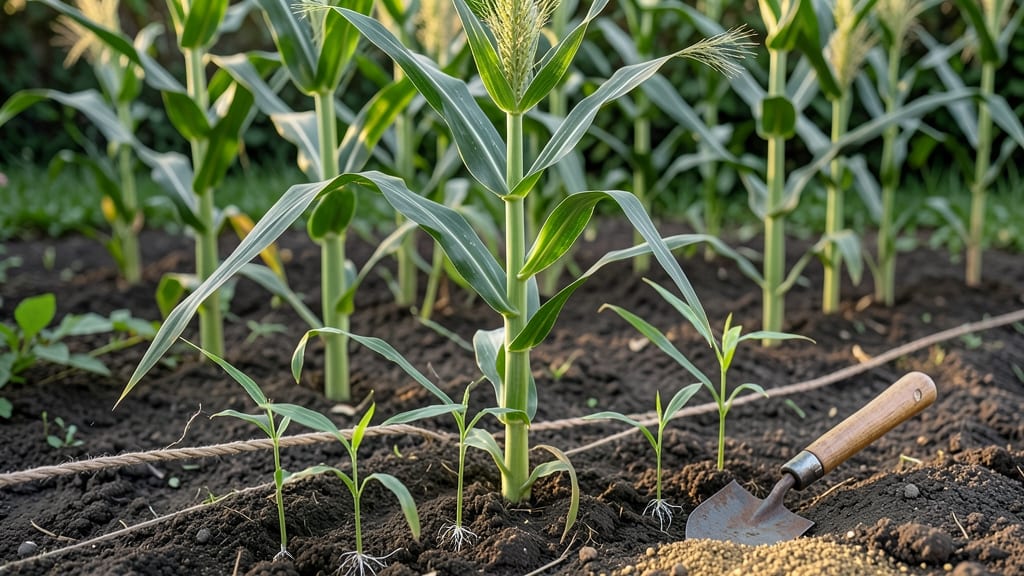
If you’ve ever watched your 🌽 corn plants wilt or fail to produce ears, you already know timing is everything in Zone 5. Planting too early when the soil is still chilly can stall growth, while waiting too long risks a harvest cut short by frost.
The sweet spot? Warm soil, sunny skies, and a little strategy to beat Zone 5’s short growing season.
Most gardeners in Zone 5 wait until mid-to-late May—after the last frost—to plant corn, but the real secret lies in soil temperature. Corn needs soil that’s at least 60°F to germinate properly, and testing it with a simple thermometer can save you from wasted seeds.
I’ll show you how to check soil warmth and pick the perfect window for your region’s climate quirks.
Choosing the right corn variety also makes all the difference. Early-maturing types like ‘Silver Queen’ give you a head start, while heat-loving varieties like ‘Ambrosia’ thrive in Zone 5’s summer heat.
Plus, I’ll share pro tips for soil prep, spacing, and post-planting care to ensure your corn grows tall, strong, and ready for harvest by late August.
Ready to grow corn that’s taller than a basketball hoop and packed with flavor? Let’s dive into the exact steps to time your planting, avoid common mistakes, and turn your Zone 5 garden into a cornucopia of sweet, juicy ears.

Ideal planting dates for corn in Zone 5 based on soil temperature
In Zone 5, corn loves warmth—so timing your planting around soil temperature (not just air temperature) is critical. Corn seeds need soil at least 60°F to germinate, and cooler soil slows growth, leaving your crop vulnerable to early frost.
Most Zone 5 gardeners aim for planting between mid-May and early June, but this varies by location and microclimate.
Northern parts of Zone 5 (like Minnesota or Wisconsin) may need to wait until late May or early June when soil finally warms up.
Southern areas (like Indiana or Pennsylvania) can plant as early as mid-May, especially if you use black plastic mulch to warm the soil faster. Always check your local last frost date—corn is sensitive to cold snaps even after germination.
🌱
| Zone 5 Region | Last Frost Date | Ideal Planting Window | Soil Temp Goal | Harvest Window |
|---|---|---|---|---|
| Northern Zone 5 (e.g., Duluth, MN) | May 20–June 5 | Late May–early June | 60°F+ | Late Aug–early Sept |
| Central Zone 5 (e.g., Chicago, IL) | May 10–20 | Mid-May–late May | 60°F+ | Mid-Aug–late Sept |
| Southern Zone 5 (e.g., Pittsburgh, PA) | April 25–May 10 | Early May–mid-May | 60°F+ | Late Aug–early Oct |
To test soil temperature, use a soil thermometer (insert 2 inches deep). If it’s below 60°F, delay planting—cold soil can cause seeds to rot or sprout unevenly. A quick trick? Plant through black plastic mulch to raise soil temperature by 5–10°F, letting you plant 1–2 weeks earlier safely.
For succession planting (to extend harvests), sow a second batch 2 weeks after the first, but only if your growing season stretches past mid-September. In shorter seasons, focus on early-maturing varieties (ready in 60–75 days) to avoid frost damage.
Pro tip: If you’re eager to plant earlier, try starter pots indoors under grow lights for 2–3 weeks before transplanting. This gives seedlings a head start in cooler soil. Just harden them off first to avoid transplant shock!
🌾
Corn also needs consistent warmth after sprouting. If nighttime temps drop below 50°F after planting, protect seedlings with floating row covers or move pots to a sheltered spot. Without warmth, corn grows slowly and may never reach full maturity before frost.
Finally, keep an eye on your local weather forecast in late summer. A sudden cold snap in September can ruin corn that’s nearly ready to harvest. If frost threatens, pick ears early (they’ll keep in the fridge for 1–2 weeks) or harvest green for grilling or freezing.
☀️
Best heat-tolerant corn varieties for short Zone 5 growing seasons
Zone 5’s short growing season (about 150 frost-free days) demands corn varieties that mature quickly while thriving in moderate heat. Early and mid-season varieties are your best bets, as they reach harvest before the first frost—typically around October 10.
Skip late-season varieties unless you’re in southern Zone 5, where summers linger longer.
Look for varieties labeled "early sweet" or "succession", which mature in 60-80 days. These include 'Silver Queen' (70 days) and 'Ambrosia' (75 days), both known for their disease resistance and consistent yields.
For a sweeter, shorter option, try 'Peaches and Cream' (70 days), a favorite for its buttery kernels.
Here’s how to match varieties to your Zone 5 timeline:
| Variety | Days to Maturity | Best Planting Window | Key Traits |
|---|---|---|---|
| Silver Queen | 70 | Mid-May to early June | Disease-resistant, semi-dwarf, sweet kernels |
| Ambrosia | 75 | Late May to early June | High yield, creamy texture, tolerates heat |
| Peaches and Cream | 70 | Early June | Buttery sweet, short stature, great for containers |
| Golden Bantam | 65 | Late May (early harvest) | Dwarf variety, heirloom, ideal for succession planting |
For succession planting, stagger your sowing every 2 weeks from mid-May to early June. This ensures a continuous harvest and maximizes your garden space.
For example, plant 'Golden Bantam' in late May for an early July harvest, then follow with 'Silver Queen' in early June for a late August pick.
Avoid late-maturing varieties like 'Country Gentleman' (110+ days) unless you’re in southern Zone 5 or use black plastic mulch to extend the season. Even then, these varieties risk frost damage before reaching full maturity. Prioritize heat tolerance and disease resistance to outsmart Zone 5’s unpredictable weather.
Pro tip: Save seeds from your best-performing ears for next year! Corn is self-pollinating when planted in blocks, so a small patch yields reliable seeds for future early-season plantings. 🌽