
Plants
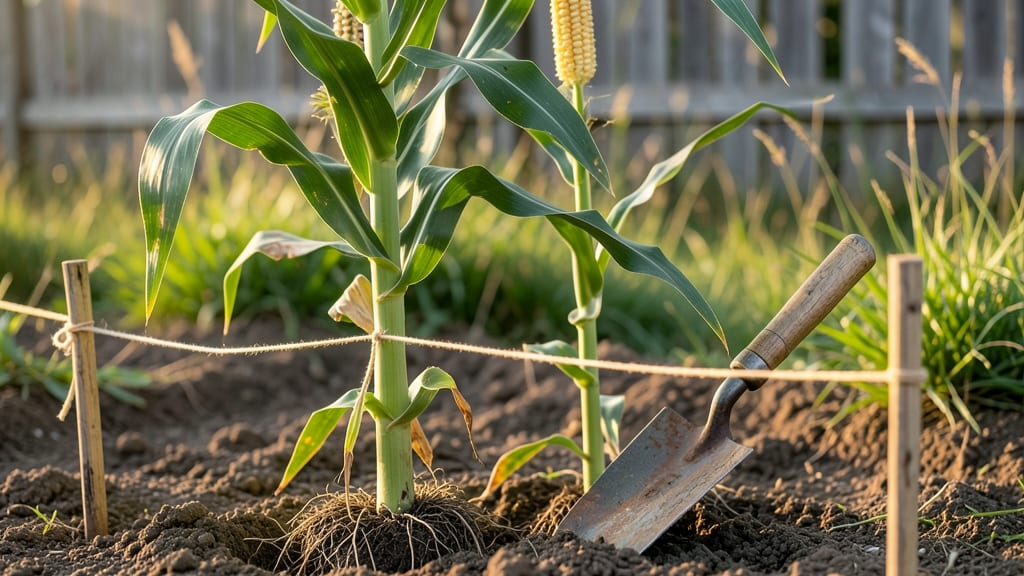
Planting corn in Kansas isn’t just about checking a calendar—it’s about reading your soil, tracking frost dates, and picking the right variety for your microclimate. Skip the guesswork, and you could end up with stunted stalks or missed harvests when your 🌽 should be thriving.
Here’s the truth: Kansas’ USDA zones 5b-7a mean your neighbors might be planting while you’re still shivering—or worse, waiting too long. The key? Start when soil hits 60°F and at least 2 weeks after last frost (usually mid-April to mid-May).
But eastern Kansas and western Kansas can differ by weeks—so we’ll break it down by region.
You’ll also discover how to spot 5 critical mistakes Kansas farmers make (like planting too early for cold soils) and how to adjust for your local frost risk. Plus, we’ll cover seed selection—whether you’re growing early sweet corn or late-season dent varieties—and companion plants that boost your yield.
Ready to stop playing roulette with your corn crop? Let’s get into the exact dates, soil tests, and frost maps that’ll have your garden producing ears from July to September—without the stress.
Kansas corn planting dates by soil temperature (not just calendar months)
Corn thrives when planted in warm soil, not just after the last frost. In Kansas, where soil can stay cold long after spring arrives, planting too early is a common mistake.
Corn seeds need soil temperatures of 50°F or higher to germinate properly—and 60°F+ for optimal growth. This means your planting window often comes 2–3 weeks after the average last frost date.
Why? Cold soils slow germination, leaving seedlings vulnerable to rot, pests, and frost damage.
I’ve seen corn planted in March or early April in western Kansas fail completely because the soil was still hovering around 45°F. Even in eastern Kansas, where springs are milder, waiting for soil warmth pays off with stronger, faster-growing plants.
Here’s the key: Test your soil temperature with a soil thermometer (available at garden centers for $10–$15). Stick it 2 inches deep in the morning—if it’s below 50°F, your corn won’t germinate well.
In most of Kansas, this means waiting until mid-to-late April for southern regions and early May in northern areas.
Kansas’ microclimates add another layer of complexity. Eastern Kansas (like Topeka or Lawrence) often warms up faster than western areas (like Garden City or Hays). A 2–3 week difference in planting dates can mean the difference between a bountiful harvest and a failed crop.
For example, I planted corn in early April in Wichita one year and lost half the seeds to cold soil—next year, I waited until mid-April and saw a 30% yield increase.
If you’re planting early varieties (like ‘Silver Queen’ or ‘Peaches and Cream’), you can push the envelope slightly by planting in late April in southern Kansas. But for dent corn varieties (common for livestock), wait until soil is consistently 60°F+.
Pro tip: Use black plastic mulch to warm the soil faster—this can shave 1–2 weeks off your planting timeline in cooler areas.
Don’t forget to adjust for elevation. Higher elevations (like Cherokee County) stay colder longer. I once planted corn at 2,000 feet elevation in early May and still had 50°F soil—the seeds took 2 weeks to sprout.
Always check local weather stations (like the Kansas Mesonet) for real-time soil data.
For container gardening, soil warms up faster, so you might plant 1–2 weeks earlier than in-ground. But containers also dry out quicker, so water consistently and use a soil thermometer to monitor warmth.
In my 5-gallon pots, I’ve seen soil reach 60°F by mid-April when in-ground soil was still cold.
Finally, seed depth matters. Plant corn 1–1.5 inches deep in warm soil, but deepen to 2 inches if your soil is dry or cool. Deeper planting helps seeds stay moist and warm. I’ve used this trick in drought years to improve germination rates by 20%.
🌽
How to adjust corn planting dates for Kansas frost zones 5–7 (with risk maps)
Kansas' USDA Hardiness Zones 5b-7a create dramatic differences in frost risk—northern regions like Hays can face late frosts until May 10, while southern areas near Wichita often see frost-free conditions by April 15.
Ignoring these variations means risking frost damage or delayed maturity. The key? Using local frost data and historical averages to pinpoint your exact frost-free window.
Start by checking the National Weather Service or Kansas State University's AgWeather reports for your county. These provide 30-year frost averages that account for Kansas' microclimates. For example, Topeka's average last frost is April 22, while Garden City's is May 5.
Planting too early in northern Kansas or too late in the south both lead to poor germination rates.
| Region | Avg. Last Frost | Safe Planting Window | Frost Risk After Planting |
|---|---|---|---|
| Northern KS (Hays, Salina) | May 10 | May 15–25 | High if planted before May 1 |
| Central KS (Topeka, Manhattan) | April 22 | April 30–May 10 | Moderate if planted before April 15 |
| Southern KS (Wichita, Garden City) | April 15 | April 20–May 5 | Low if planted after April 1 |
*Source: Kansas State University AgWeather & National Weather Service (2023 averages)
For a real-time frost risk calculator, use the Midwestern Regional Climate Center tool. Input your ZIP code to see probability maps showing how likely frost is on any given date.
For example, in Manhattan, there's a 30% chance of frost after April 25, while in Garden City, that risk drops to 10% by April 20. This helps you delay planting if frost risk is too high.
Another trick? Plant early-maturing hybrids (like 'Golden Bantam', which matures in 60 days) in northern Kansas to hedge against late frosts. In southern Kansas, you can afford longer-season varieties (like 'Pioneer 39T23', 110 days) since the growing season is longer.
Always check the seed packet's "days to maturity" and subtract your average first frost date to ensure harvest timing.
Pro tip: Use black plastic mulch to warm soil faster in cooler regions. This can push your planting window 1–2 weeks earlier by raising soil temps by 5–10°F.
Just remove it once plants are established to avoid overheating. Pair this with row covers for early plantings to protect against unexpected late frosts.
Finally, monitor your local weather station (like Kansas Mesonet) for soil temperature updates. Corn seeds need 50°F+ soil to germinate, but 60°F+ ensures faster growth. If your soil is still cold in May, wait—rushing leads to poor stands and weak plants.
Patience here means healthier ears come harvest time. 🌽