
Plants
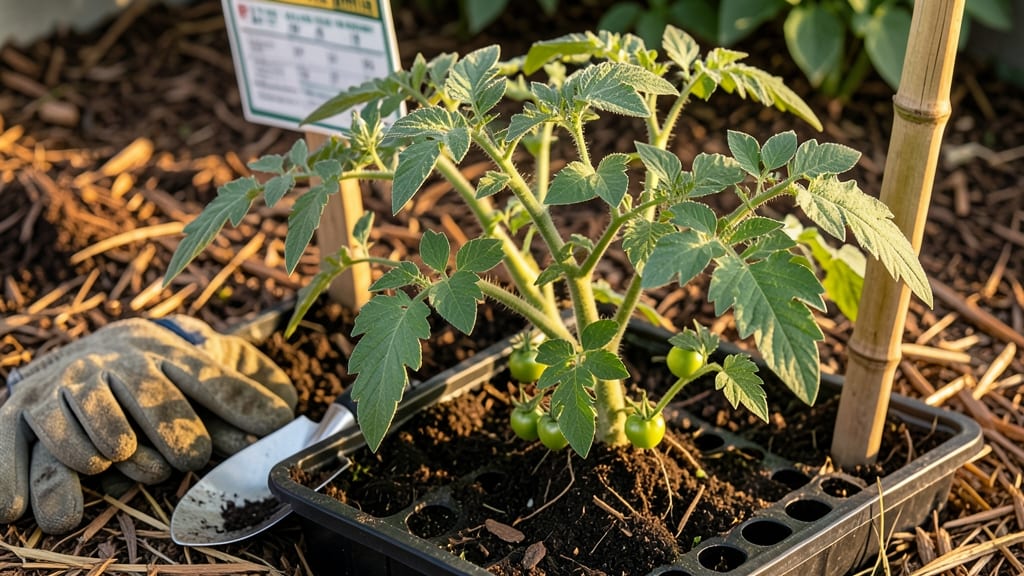
When do you plant tomatoes in Oklahoma? Timing your 🍅 tomato planting in Oklahoma isn’t just about the calendar—it’s about surviving the state’s unpredictable swings from frost to scorching heat. Plant too early, and a late frost will turn your seedlings into sad, wilted memories. Too late, and you’ll miss the sweet spot for a bountiful harvest before fall’s chill sets in.
Here’s the truth: Oklahoma’s USDA Zones 6b-8a create wildly different windows—from mid-April in the warmer south to late May in the cooler Panhandle. Even within the same zone, microclimates (like urban heat islands or sheltered valleys) can shift your ideal dates by weeks.
I’ve dug into local data to give you the exact planting schedule for Oklahoma’s five key regions, plus how to adjust for erratic weather. Whether you’re starting seeds indoors or transplanting seedlings, these insights will help you avoid common mistakes and maximize your yield.
Ready to turn your garden into a tomato powerhouse? Let’s break down the best times to plant—so you can enjoy homegrown fruit from June all the way through October (or even later with fall varieties).
Oklahoma tomato planting dates by microclimate: USDA Zone breakdown
Oklahoma’s USDA zones 6b–8a create dramatic differences in tomato planting timing—some regions can start 4 weeks earlier than others. The key factors? Last frost dates, soil temperature thresholds (55°F+), and your chosen tomato variety.
Let’s break it down by region so you can avoid the two biggest mistakes: planting too early (frost damage) or waiting too late (reduced harvest).
For Zone 6b (Northern OK), like Enid or Woodward, your last frost typically hits April 15–April 30. Wait 2–3 weeks after that date to transplant seedlings—usually May 1–May 15.
Start seeds indoors by March 1 for early varieties like ‘Early Girl’, which matures in 60 days. In Zone 7a (Central OK), including Oklahoma City and Stillwater, last frost arrives March 20–April 10, so transplant April 20–May 1.
Southern Oklahoma’s Zone 7b (Tulsa, Ardmore) and Zone 8a (McAlester, Idabel) enjoy longer seasons. Here, transplant March 20–April 15 (Zone 7b) or March 1–March 30 (Zone 8a). The Panhandle’s Zone 6a (Amarillo, Altus) is trickier—last frost can linger until April 30, so aim for May 15–May 30 transplants.
For all zones, soil must stay above 60°F for 7+ days before planting.
| USDA Zone | Last Frost Date | Transplant Window | Ideal Varieties | Notes |
|---|---|---|---|---|
| 6a (Panhandle) | April 30 | May 15–May 30 | ‘Mountain Merit’, ‘Stupice’ | Short season; use cold frames |
| 6b (North) | April 15–April 30 | May 1–May 15 | ‘Celebrity’, ‘Better Boy’ | Frost risk until May 10 |
| 7a (Central) | March 20–April 10 | April 20–May 1 | ‘Early Girl’, ‘Sweet 100’ | Longest harvest window |
| 7b (Southeast) | March 1–March 20 | March 20–April 15 | ‘Solar Fire’, ‘Arkansas Traveler’ | Heat-tolerant varieties |
| 8a (Southeast) | February 15–March 1 | March 1–March 30 | ‘Heatmaster’, ‘Sun Gold’ | Fall planting possible |
Don’t overlook fall planting in Zones 7b–8a! For a second harvest, sow seeds July 15–August 1 and transplant August 15–September 1. Choose heat-tolerant varieties like ‘Solar Fire’ (maturity: 70 days) or ‘Heatmaster’ (maturity: 65 days).
These thrive in Oklahoma’s 90°F+ summers and produce until first frost (typically October 15–November 1).
Pro tip: Use a soil thermometer—tomatoes won’t thrive until soil hits 60°F. In Zone 6a/6b, this can mean waiting until late May for warm soil
How to adjust tomato planting dates for Oklahoma’s unpredictable weather
Oklahoma’s spring weather can swing from freezing nights to 90°F heat in weeks, making timing critical for tomato success. Late frosts in Zone 7a (common in April) can wipe out seedlings overnight, while rushing to plant too early risks stunted growth.
The key? Flexible strategies like staggered planting and protective covers to match Oklahoma’s erratic frost patterns.
Start by checking soil temperatures—tomatoes need 60°F+ soil to thrive. In northern Oklahoma (Zones 6a-6b), wait until mid-May for transplants, while southern regions (Zones 7b-8a) can plant as early as late April. Use a soil thermometer to confirm readiness, as surface temps can mislead.
For extra protection, use row covers or cold frames to shield seedlings from late frosts. These extend your planting window by 2-3 weeks without risking frost damage.
Pair this with staggered sowing: plant a few seeds every 2 weeks to ensure a continuous harvest, especially in Zone 7a, where frost can linger.
🌱
- 🌡️ Soil warmth: 60°F+ at 6 inches deep (use a thermometer). Cold soil stunts root growth.
- 🌱 Seedling strength: Plants have 4-6 true leaves and sturdy stems (not leggy). Weak seedlings struggle to recover.
- ✂️ Leaf health: No yellowing or curled leaves (signs of stress). Healthy leaves = strong plants.
- 🌧️ Weather window: 5+ days of frost-free forecast. Check NOAA’s 5-day outlook.
- 🌿 Root check: Gently tug seedlings—roots should fill the pot. Bare-rooted plants transplant poorly.
If late frosts threaten, opt for heat-tolerant varieties like ‘Solar Fire’ or ‘Heatmaster,’ which handle Oklahoma’s summer heat better than traditional types. For Zone 6a, consider early-maturing varieties (e.g., ‘Early Girl’) to beat the first frost in October.
Always harden off seedlings for 7-10 days before transplanting to avoid shock.
Monitor your garden closely after planting. Wilting or yellowing leaves often signal underwatering or heat stress, while purple stems mean phosphorus deficiency. Mulch with straw or grass clippings to retain moisture and regulate soil temps—critical in Oklahoma’s dry spells.
For urban gardeners, containers offer flexibility. Use black pots (they warm faster) and place them on south-facing patios to accelerate soil heating. In Zone 8a, you can even try a fall crop by planting in late July, giving tomatoes 80-90 days to mature before frost.