Plants
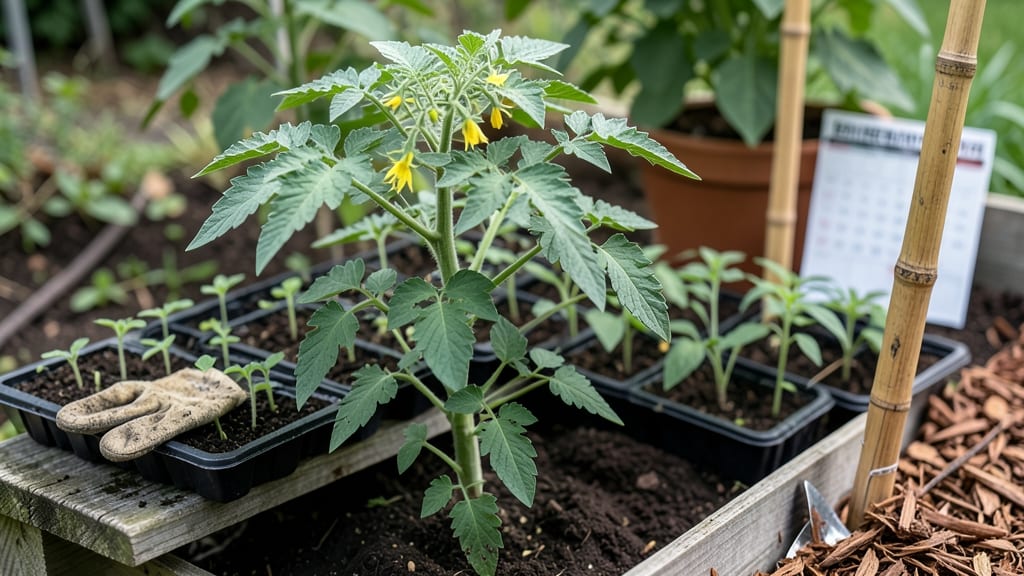
If you're dreaming of a bountiful harvest of juicy 🍅 tomatoes this summer in Massachusetts, timing is everything—and getting it wrong could mean lost plants or delayed rewards. The perfect planting window depends on your region, with coastal areas often enjoying earlier starts than inland zones, thanks to milder microclimates.
For most of Massachusetts, the sweet spot for transplanting tomato seedlings is between April 15 and June 1, once the soil warms to at least 60°F and nighttime temperatures stay above 50°F.
But whether you're in Boston, the Berkshires, or Cape Cod, knowing your last frost date is the key to avoiding frost damage while maximizing your growing season.
I’ll break down exactly when to plant—whether you’re starting seeds indoors, transplanting young plants, or even trying direct sowing—plus smart strategies to extend your season with row covers or cold frames.
By the end, you’ll know not just when to plant, but how to give your tomatoes the best shot at success.
Ready to turn your garden into a tomato powerhouse? Let’s get those seeds in the ground at the perfect moment for your corner of Massachusetts.
Massachusetts frost-free dates by region: best tomato planting windows
Massachusetts’ last frost dates vary dramatically by region—coastal areas like Cape Cod can be 2-3 weeks earlier than inland Western MA. This variability means your tomato planting window shifts from late April in coastal zones to mid-May in the Berkshires.
Understanding these differences ensures your seedlings thrive without frost damage.
For seedling transplants, aim to plant 2-3 weeks after your region’s average last frost date. Direct sowing (planting seeds outdoors) should wait until soil temperatures hit at least 60°F—typically mid-to-late May for most of the state.
Using a soil thermometer is key to avoiding cold-related stress on young plants.
Here’s how to pinpoint your exact planting window based on your location in Massachusetts:
| Region | Avg. Last Frost | Safe Transplant Window | Direct Sow Window | Notes |
|---|---|---|---|---|
| Coastal (Cape Cod, Islands) | Mid-April | Late April - Early May | Late May | Warmer microclimates; use row covers for early starts. |
| Metro Boston | Early May | Mid-May | Early June | Urban heat islands can push dates 1 week earlier. |
| Western MA (Berkshires, Pioneer Valley) | Early May | Late May | Mid-June | Cooler nights; opt for cold-hardy varieties. |
| Northeast MA (North Shore, Merrimack Valley) | Late April - Early May | Early to Mid-May | Late May | Check local microclimates; valleys frost later. |
If you’re starting seedlings indoors, begin 6-8 weeks before your region’s last frost date. For example, coastal gardeners can start in early March, while Western MA growers should wait until late March.
Use grow lights to ensure seedlings get 14-16 hours of light daily to prevent leggy growth.
For direct sowing, wait until soil temperatures consistently stay above 60°F. Use a soil thermometer to monitor—cold soil slows germination and weakens seedlings. In cooler inland areas, consider black plastic mulch to warm the soil faster and extend the growing season.
Microclimates play a huge role in Massachusetts. South-facing slopes or urban heat islands can push frost dates 1-2 weeks earlier, while low-lying areas or northern exposures may frost 1-2 weeks later. Observe your yard’s patterns for 3-5 years to refine your planting schedule.
Pro tip: Bookmark the Massachusetts NOAA Frost Probability Map for real-time updates. This tool adjusts for historical data and helps you calculate 80% frost-free probabilities, reducing risk for late plantings.
For late varieties or container gardening, you can push planting into early July—just select fast-maturing varieties (like ‘Early Girl’ or ‘Stupice’) that can ripen before the first frost. These short-season tomatoes are perfect for balcony gardens or greenhouse setups.
Remember: Tomatoes hate cold feet. Even if daytime temperatures are warm, nighttime temps below 50°F can stunt growth. Use row covers or cold frames to protect seedlings if early frosts threaten your May plantings.
How to extend your tomato growing season in Massachusetts
Massachusetts’ short growing season can feel like a challenge for tomato lovers, but with the right strategies, you can push your harvest window earlier or later. Whether you’re dealing with cool coastal breezes or inland heat waves, these techniques help maximize your tomato yields even in USDA Zones 5b-6b.
The key is combining season extension tools with disease-resistant varieties tailored to MA’s climate.
Start by choosing heat-tolerant tomato varieties like ‘Early Girl’ or ‘Solar Fire’, which thrive in both cool springs and warm summers. These varieties mature faster, giving you a head start before the first frost.
Pair them with row covers or cold frames to protect tender seedlings from late spring frosts, which can still hit as late as May 15 in some regions.
For gardeners in Western MA or Northeast MA, where nights stay cooler longer, consider using black plastic mulch to warm soil and accelerate growth. This method raises soil temperatures by 5-10°F, creating an ideal environment for tomato seedlings even when air temps hover around 50°F.
Just be sure to remove the mulch once fruit sets to prevent overheating.
If you’re aiming for a fall harvest, focus on late-maturing varieties like ‘Celebrity’ or ‘Mountain Merit’, which resist blight and cracking in MA’s humid summers. Start these indoors by March 1 to ensure they’re robust enough to handle July heat waves.
For extra protection, use drip irrigation to keep foliage dry and reduce disease risk.
Pro tip: Monitor your local frost-free date using the National Weather Service or Old Farmer’s Almanac. In coastal MA, where frosts linger longer, aim to transplant seedlings by May 10, while inland areas can plant as early as April 25.
Adjust your strategy based on microclimates—urban areas often stay warmer than rural spots due to heat islands.
With these techniques, you can enjoy homegrown tomatoes from early July through September, even in Massachusetts’ unpredictable climate. The secret? Plan ahead, choose the right tools, and don’t be afraid to experiment with season extension methods that work for your specific corner of the state. Happy growing!