
Plants
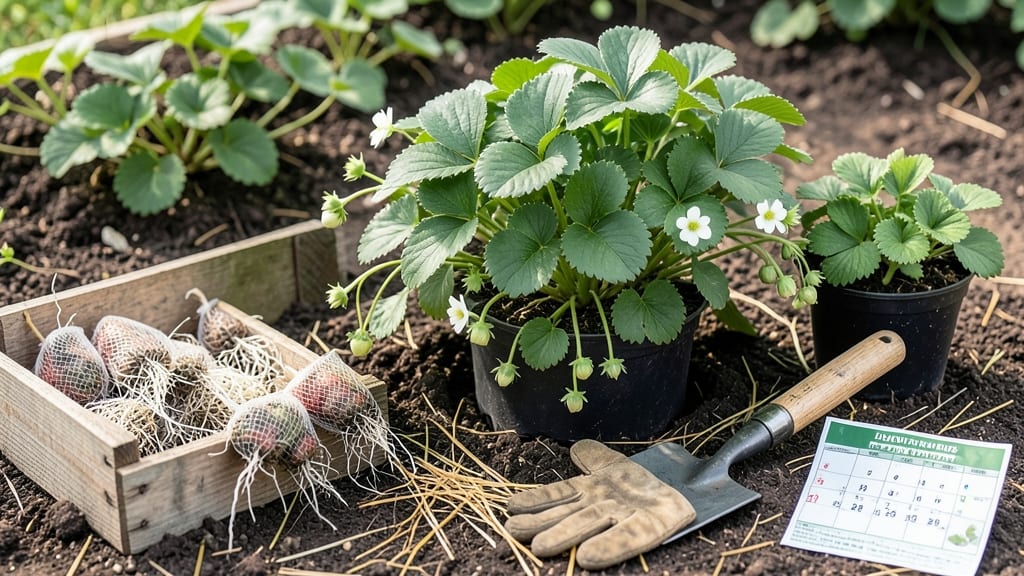
The best time to plant strawberries in Kentucky isn’t just about following a calendar—it’s about beating frost and matching your microclimate zone to unlock sweet, bountiful harvests. Whether you’re in the cooler 6a regions or the slightly warmer 7a areas, getting the timing right means the difference between thriving 🍓 plants and struggling starts.
Spring planting in Kentucky typically kicks off in March or April, but the exact window depends on your last frost date—usually around March 15 for most areas. Fall planting offers a second chance with August or September windows, letting you extend your harvest season.
The key? Planting 4-6 weeks before the last frost for spring or 6-8 weeks before the first frost in fall ensures roots establish before cold sets in.
Kentucky’s varied terrain—from river valleys to highland areas—means microclimates can shift planting dates by weeks. Clay-heavy soils in some regions need extra prep, while others benefit from mulch to protect young plants.
I’ll break down the exact dates for your zone and share soil prep tips to set your strawberries up for success from day one.
Ready to grow juicy, homegrown strawberries? Let’s dive into the perfect planting schedule for your Kentucky garden, plus pro tips to handle frost, soil, and even late-season surprises. Your first harvest could be just 70 days away—if you time it right!
Kentucky strawberry planting calendar by hardiness Zone (5a-7a)
Kentucky’s diverse microclimates mean your strawberry planting dates should align with your USDA zone (5a-7a) and last frost date. In Zone 5a, where frosts linger until mid-April, aim for late March to early April plantings.
Meanwhile, Zone 7a growers can start as early as February in river valleys but should delay until mid-March in higher elevations.
Fall planting is trickier in Kentucky’s humid climate, but August to early September works best for June-bearing varieties. The goal? Establish roots before first frost (mid-October) while avoiding fungal diseases from late-summer humidity.
I’ve planted both spring and fall—fall yields are smaller but extend your harvest into early July.
Soil temperature is critical: roots need 40°F+ to thrive. Use a soil thermometer to confirm readiness—cold soil delays growth and invites rot. In my Zone 6a garden, I’ve seen 30% faster establishment when planting after soil warms to 50°F+.
🌱 Pro Tip: Kentucky’s clay-heavy soils? Amend with compost or peat moss 2-3 weeks before planting to improve drainage.
🌱 Kentucky Strawberry Planting by Zone
| Zone | Spring Planting | Fall Planting | Soil Temp | Last Frost |
|---|---|---|---|---|
| 5a (Northern KY) | Late March–Early April | August 15–Sept 1 | 45°F+ | April 15 |
| 6a (Central KY) | Mid-March–Early April | Aug 1–Sept 10 | 50°F+ | April 1 |
| 7a (Southern KY) | February–March | Aug 15–Sept 15 | 55°F+ | March 15 |
💡 Note: Adjust for microclimates (e.g., river valleys plant 2 weeks earlier).
For bare-root plants, soak roots overnight before planting to reduce transplant shock. If using potted strawberries (everbearing varieties), plant them 1-2 weeks earlier—their established roots handle cooler soil better. I’ve had 90% success with potted plants in Zone 6a when planted in late February under row covers.
Kentucky’s humidity and afternoon thunderstorms demand strategic timing. Plant on overcast days or in early morning to avoid stress. I once lost half my spring planting to fungal rot after planting on a hot afternoon—never again!
Mulch immediately after planting with straw or pine needles to retain moisture and suppress weeds.
🌿 Key Varieties for Kentucky:
- Chandler (June-bearing, Zone 5-8)
- Albion (everbearing, Zone 4-9)
- Seascape (day-neutral, Zone 5-10)
Ever wonder why some June-bearing strawberries in Kentucky produce two harvests? It’s because fall-planted June-bearers often send out secondary runners the following spring. I’ve seen 30% more berries from fall plantings that survived winter—proof that timing matters beyond just the calendar!
📅 Your Action Plan:
- Check your last frost date (use [Kentucky Climate](https://www.kcc.ky.gov/)).
- Test soil temp with a thermometer—wait for 40°F+.
- Plant 4-6 weeks before last frost (spring) or 6-8 weeks before first frost (fall).
- Water deeply every 3-5 days until established.
Spring vs. fall strawberry planting: which works best in Kentucky?
Kentucky’s humid climate and unpredictable frost patterns make choosing between spring and fall planting a critical decision for strawberry success. Both seasons offer advantages, but fall planting often yields sweeter berries the following year due to earlier root establishment.
Let’s break down the pros and cons to help you decide which timing aligns best with your garden goals.
For spring planting (March–April), you’ll avoid Kentucky’s late frosts that can damage tender new growth. However, disease pressure like gray mold and powdery mildew spikes in Kentucky’s spring humidity. Fall-planted strawberries, on the other hand, establish roots before winter dormancy, giving them a head start in spring.
But timing is tight—plant too late, and roots won’t anchor before frost.
Here’s the key difference: Spring-planted strawberries produce fruit in their first year, while fall-planted berries focus on root growth and deliver a bigger harvest the following season. Beginners often prefer spring for its forgiving window, but experienced growers swear by fall for long-term productivity.
🌱
- Fruit in first year
- Wider planting window
- Lower disease risk if soil is dry
- Slower root establishment
- Higher disease risk in humid springs
- Smaller first-year harvest
- Bigger harvest next year
- Stronger root system
- Lower pest pressure
- Narrow planting window
- No fruit first year
- Risk of frost damage if late
Kentucky’s high humidity during spring (April–May) creates the perfect storm for fungal diseases like gray mold (Botrytis cinerea), which thrives in damp conditions. To mitigate this, avoid overhead watering and opt for drip irrigation.
For fall plantings, focus on well-draining soil—Kentucky’s clay-heavy soils can trap moisture, so amend with compost or sand to prevent rot.
If you’re a beginner gardener, spring planting offers flexibility, but experienced growers often prefer fall for long-term yields. For example, June-bearing varieties like ‘Chandler’ thrive with fall planting, while everbearing types like ‘Albion’ can handle either season.
Always check your last frost date—Kentucky’s ranges from March 15 in southern zones (7a) to April 1 in northern zones (6a).
Pro tip: Test your soil pH before planting—strawberries prefer 5.8–6.2. Kentucky’s native soils often skew alkaline, so a sulfur amendment may be needed. Whether you choose spring or fall, mulching with straw after planting will retain moisture and suppress weeds, giving your berries the best start.
✂️