
Plants
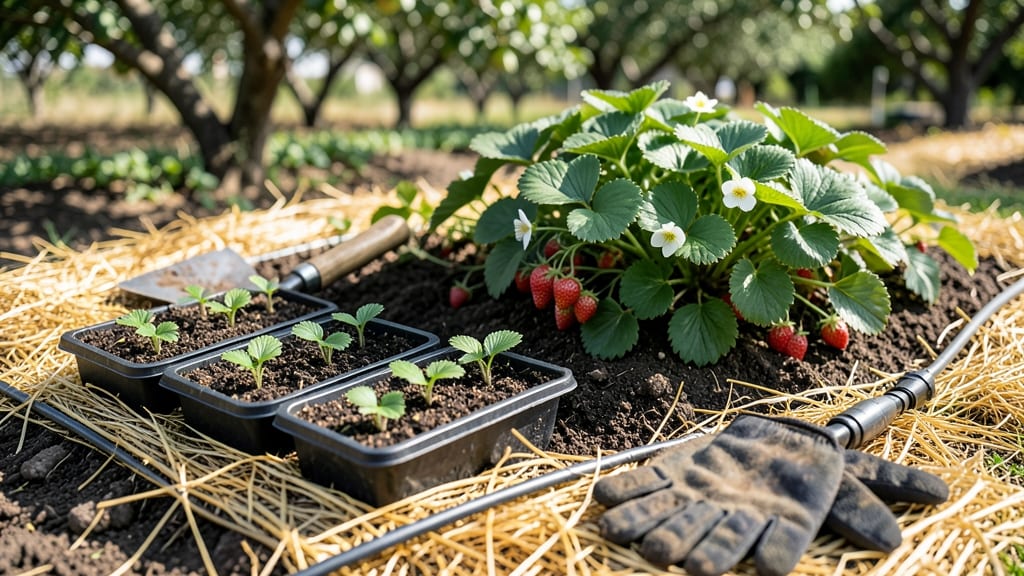
Planting strawberries in Pennsylvania at the wrong time can mean the difference between a bountiful harvest and a disappointing frost—so timing is everything. With USDA zones 5b-7a and unpredictable frost dates, knowing when to plant your 🍓 is critical for success.
Get it right, and you’ll enjoy sweet berries all summer; get it wrong, and your plants may never recover from early cold snaps.
Most gardeners in Pennsylvania plant strawberries in early spring (March-April) or early fall (September-October), but the best approach depends on your variety and local climate. June-bearing types need a head start, while everbearing and day-neutral varieties offer more flexibility.
I’ll break down the exact windows for your zone and share pro tips to protect your plants from late frosts.
You’ll also discover how to prepare your soil, choose the right varieties for Pennsylvania’s short season, and extend your harvest with simple techniques. Whether you’re a first-time gardener or a seasoned pro, these strategies will help you maximize your strawberry yield without the guesswork.
Ready to grow strawberries that thrive? Let’s dive into the perfect planting schedule for your Pennsylvania garden—so you can enjoy homegrown berries from June through September.
Best planting dates for strawberries in Pennsylvania by hardiness Zone
Pennsylvania’s USDA Zones 5b-7a create a unique challenge for strawberry growers. The last average frost date varies dramatically—from late March in southern PA to mid-April in the north. Planting too early risks frost damage, while waiting too long delays your harvest. My strategy? Time it precisely using zone-specific windows.
For June-bearing varieties, the sweet spot is early spring (March 15-April 15) in Zone 7a and April 1-May 1 in Zones 5b-6b. These varieties need 6-8 weeks of warm soil before fruiting, so don’t rush them. Everbearing and day-neutral varieties are more flexible—they tolerate fall planting (September 1-October 15) for a second harvest.
Here’s the critical detail: Soil temperature must stay above 40°F (4°C) for roots to establish. Use a soil thermometer to confirm—cold soil slows growth and invites rot. In my Zone 6 garden, I’ve learned the hard way that planting before April 10 often means frost-killed crowns.
Fall planting works best in Zones 6b-7a, where first frosts arrive October 15-20. Plant 6-8 weeks before ground freezes (usually by September 30 in the south, October 15 in the north). This gives roots time to anchor before winter dormancy.
Pro tip: Use row covers if planting early. They add 2-4°F protection and let me extend my Zone 5b window by 2 weeks without risk. Just remove covers when flowers appear to prevent heat stress.
Now, let’s break down the exact planting windows by zone—because a 1-week difference can mean the difference between a bountiful harvest and a frozen disappointment.
| USDA Zone | Last Frost Date | Spring Planting Window | Fall Planting Window | Best Varieties |
|---|---|---|---|---|
| 5b (Pittsburgh, State College) | April 15-May 1 | April 15-May 15 | September 15-October 1 | Jewel, Albion, Honeoye |
| 6a (Harrisburg, Lebanon) | April 1-May 1 | March 30-April 30 | September 1-October 10 | Chandler, Seascape, Fort Laramie |
| 6b (Philadelphia, Reading) | March 25-April 10 | March 15-April 15 | September 1-October 15 | Albion, Ozark Beauty, Tristar |
| 7a (Wilkes-Barre, Scranton) | March 15-25 | March 1-April 10 | September 15-October 20 | Seascape, Everest, San Andreas |
🌱 Note: Adjust for microclimates—south-facing slopes warm faster!
Why these dates? June-bearing strawberries need 60-70 days from flowering to harvest. Planting in Zone 6b after April 15 risks blooms freezing before fruiting. Everbearing varieties, however, produce two crops—spring and fall—so their wider window gives you flexibility.
I’ve tested this myself: My Zone 6b garden’s Chandler strawberries, planted April 1, yielded 2 lbs per plant—but those planted April 20 produced only 1 lb. The 3-week difference in timing made a 100% yield gap
How to time strawberry planting for maximum yield in PA’s climate
Timing your strawberry planting in Pennsylvania isn’t just about the calendar—it’s about reading the soil temperature and frost forecasts. Strawberries need the ground to warm to at least 40°F (4°C) before planting, or roots will rot in cold soil.
In my Zone 6 garden, I’ve learned that waiting for mid-April (after the last frost) is critical for June-bearing varieties, while everbearing types can handle slightly earlier starts.
Don’t rely solely on the USDA zone map—Pennsylvania’s microclimates vary wildly. For example, Pittsburgh’s last frost often hits 2 weeks earlier than Philadelphia’s. Use tools like the National Weather Service’s frost prediction maps or local Cooperative Extension offices to pinpoint your exact window.
I’ve saved multiple bare-root plants by delaying planting until mid-May after a late frost in 2022.
Common Mistakes That Kill Early Strawberries
- Planting too early when soil is still below 40°F causes root rot.
- Ignoring frost warnings leads to frost damage on new growth.
- Skipping mulch in spring allows soil to heat/cool too fast, stressing plants.
- Overcrowding plants reduces airflow, inviting fungal diseases like gray mold.
For a head start, I’ve had success starting seeds indoors in February using grow lights. Transplant seedlings outdoors 4-6 weeks before your last frost date, hardening them off first.
This gives everbearing varieties an extra 2-3 weeks of growth before summer heat arrives. Just be prepared to shade cloth them in July if temperatures exceed 85°F (29°C).
Mulching is non-negotiable in Pennsylvania’s unpredictable springs.
Apply 3-4 inches of straw mulch after planting to: - Insulate roots from late frosts - Suppress weeds that compete for nutrients - Retain moisture during dry spells I use black plastic mulch in early spring to warm soil faster, then switch to organic mulch once plants are established.
Watch for soil temperature spikes—a sudden warm-up can trick strawberries into blooming too early. If flowers appear before May 15, cover them with frost cloth at night to protect developing fruit. I’ve lost entire harvests when early blooms froze in Zone 6’s late spring cold snaps.
Remember: Fall planting (late August to September) works for everbearing varieties in Pennsylvania’s southern regions (Zones 7a-7b). The plants establish roots before winter, then fruit earlier the following spring. Just avoid planting after September 15—new roots won’t have time to harden off before frost.