
Plants
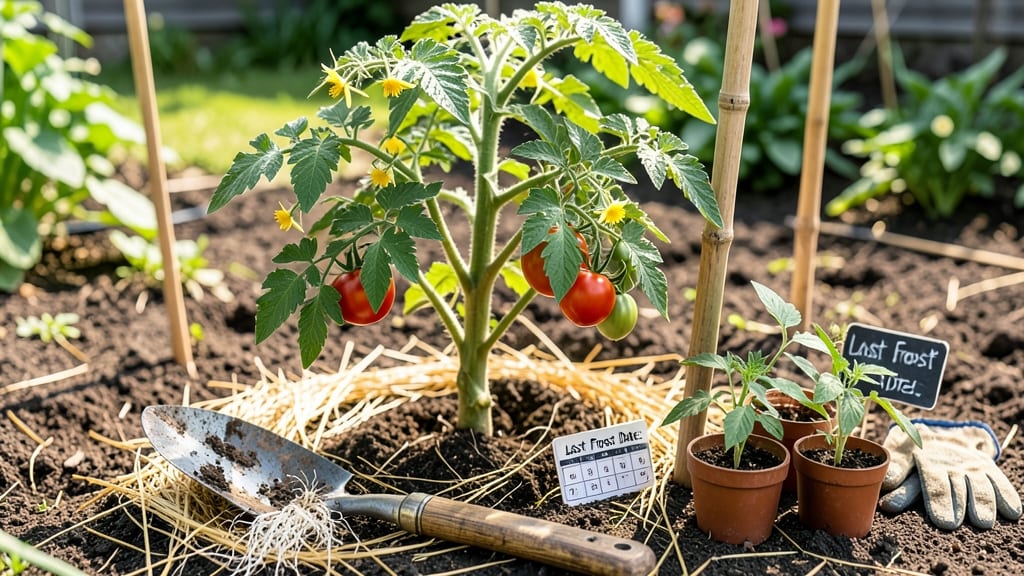
Planting your 🍅 tomatoes in Kentucky at the wrong time can mean the difference between a garden full of juicy fruit and a sad, wilted mess.
The key isn't just waiting until spring—it's knowing exactly when your local frost dates shift and how heat waves can stress young plants before they even take root.
Most Kentucky gardeners in zones 6a-7a aim to transplant seedlings after April 15, but that's just the starting point. Soil temperature matters just as much as calendar dates—waiting until it hits 60°F ensures roots grow strong instead of sitting in cold, damp earth.
Whether you're prepping seed starts indoors or rushing to get transplants in the ground, this guide breaks down the exact timing you need to avoid frost damage and maximize your harvest.
We'll also cover how to stretch your growing season with simple tricks that work for both backyard plots and urban containers.
Skip the guesswork and learn how to time your tomato planting for a zero-risk harvest, no matter which part of Kentucky you're in. Let's get your plants in the ground at the perfect moment.
Kentucky tomato planting dates by frost zone: avoid frost & heat stress
Kentucky’s diverse climate means planting dates vary by USDA zone—from 5a in the north to 7a in the south. Getting the timing right ensures your tomato plants thrive without frost damage or heat stress.
Let’s break down the ideal transplant windows for each zone, plus soil temperature tips to maximize your harvest.
Most Kentucky gardeners aim to transplant tomato seedlings after the last frost date, typically between April 15 and May 15.
However, northern zones (like Lexington or Paducah) may need to wait until late May, while southern areas (like Bowling Green) can start as early as mid-April. Always check your local frost-free date—a quick Google search for “[your city] last frost date” will save you headaches.
| Zone | Last Frost Date | Ideal Transplant Window | Soil Temp Requirement | Notes |
|---|---|---|---|---|
| 5a (Northern KY) | May 1-15 | May 15-30 | 60°F+ | Use row covers for early starts |
| 6a (Central KY) | April 15-30 | April 30-May 15 | 60°F+ | Black plastic mulch warms soil faster |
| 7a (Southern KY) | April 1-15 | April 15-May 1 | 55°F+ | Can plant earlier with cold frames |
For container gardening in urban Kentucky, transplant your tomato seedlings 2-3 weeks earlier than ground planting dates. Containers warm up faster, but ensure pots are at least 12 inches deep and have drainage holes. Place them in south-facing spots to catch maximum sunlight.
One critical mistake Kentucky gardeners make is planting too late. If you miss the ideal transplant window, your tomatoes may not mature before the first frost (typically October 31-November 15).
To avoid this, start seedlings indoors 6-8 weeks before your last frost date. Use grow lights if natural light is limited—tomatoes need 12-16 hours of light daily to thrive.
Soil temperature is just as important as air temperature. Tomatoes won’t grow well in cold soil, so use a soil thermometer to confirm it’s at least 60°F before planting.
If your soil is still chilly, lay down black plastic mulch 1-2 weeks before transplanting. This simple trick can add 5-10°F to soil warmth, giving your plants a head start.
Pro tip: Succession planting works well in Kentucky’s climate. After your first transplant, sow a second batch of seeds indoors 4-6 weeks later. This ensures a continuous harvest from summer into early fall. Just be sure to harden off seedlings properly to avoid transplant shock.
Heat stress is another common issue in Kentucky’s summer. If temperatures exceed 90°F, tomatoes may drop flowers or fruit. To combat this, use shade cloth (30-50% shade) during peak afternoon heat. Water deeply in the morning to keep roots cool, and avoid overhead watering to prevent disease.
Finally, don’t forget about microclimates. Areas near lakes or rivers (like Louisville’s Ohio River valley) stay warmer longer, while higher elevations (like Mountain Parkway) may experience frost later. Observe your garden’s unique conditions for the first few years to refine your planting schedule.
With these frost-date hacks, you’ll be well on your way to a zero-risk harvest. Next, we’ll explore how to extend Kentucky’s tomato season with cold frames and row covers—perfect for pushing your harvest even later into fall. 🌱
How to extend Kentucky’s tomato growing season: cold frames, row covers & succession planting
Kentucky’s unpredictable spring frosts and early fall chills can cut your tomato harvest short—but smart gardeners use tricks to stretch the season. Whether you’re in USDA Zone 6a or 7a, these methods let you plant earlier, harvest later, and even grow a second crop.
I’ve tested these techniques in my own Louisville garden, and they’ve added 4-6 extra weeks to my tomato season. The key is combining season extenders with succession planting to maximize your yield without risking frost damage.
📌 Key Takeaway: Start with cold frames for early plants, use row covers for mid-season protection, and plant heat-tolerant varieties in late summer for fall harvests.
Build or buy a low cold frame (12-18" tall) to plant 4-6 weeks before your last frost date. Use clear plastic or glass to trap heat while allowing sunlight.
Cover seedlings with floating row covers when nighttime temps dip below 40°F. Remove during the day for pollination (shake plants gently or use a small fan).
After your June main crop is established, sow heat-tolerant varieties like 'Solar Fire' or 'Heatmaster' in late July-August. These thrive in 90°F+ heat and produce into October.
Lay black plastic mulch 2-3 weeks before planting to raise soil temps by 5-10°F. Cut X’s for stakes and plant through the slits. Removes in fall to compost.
Urban gardeners: Use 5-gallon containers with dwarf varieties. Move pots to sunniest spots or bring indoors during cold snaps (if temps drop below 50°F).
For late-season protection, I’ve had success with mini hoop tunnels covered in agricultural fabric. These let you plant 6 weeks after your typical last transplant date and still harvest into November—even in Zone 6a.
Pro tip: Pair these methods with fast-maturing varieties (like 'Early Girl' or 'Stupice'). They’ll give you earlier harvests and longer production before Kentucky’s first frost hits. Just remember—pollinators need access, so avoid sealing plants completely!
🌱