
Plants
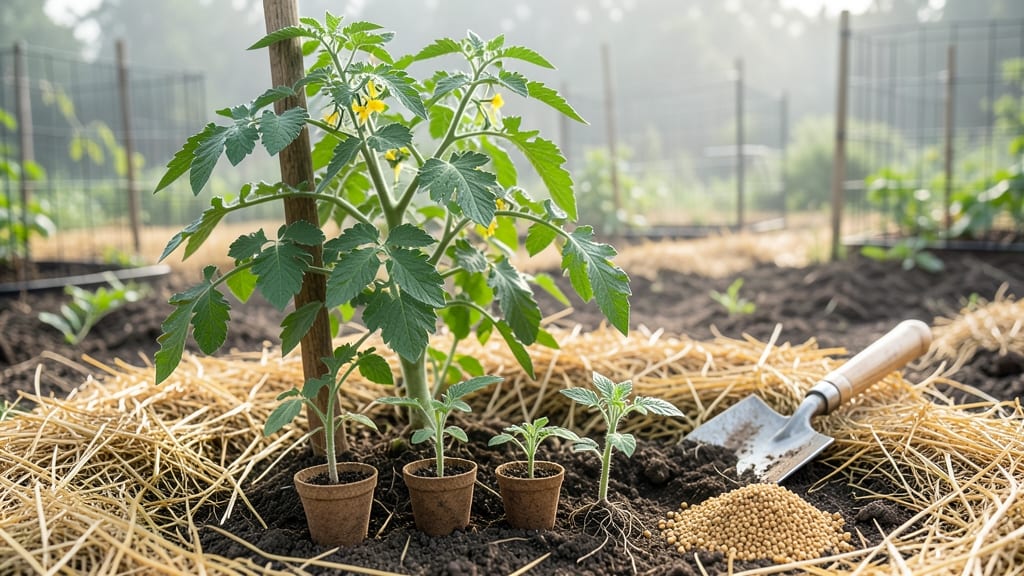
Planting tomatoes in Alabama isn’t just about throwing seeds into the dirt—it’s about timing your 🍅 harvest to avoid frost, heat stress, and wasted effort. With Alabama’s 7b-8b climate zones, getting the window right means the difference between a garden full of ripe fruit and a sad, wilted disappointment.
Most gardeners here start seeds indoors by mid-March to give them a head start, but transplanting outdoors only happens after the last frost—usually by early June in most regions. That’s 200+ frost-free days of growing potential if you play your cards right.
But here’s the catch: Plant too early, and a late frost will kill your seedlings. Too late, and your tomatoes won’t mature before Alabama’s brutal summer heat sets in.
I’ll break down the exact dates, soil temperature tricks, and even how to stretch your season with row covers or shade cloth.
Ready to turn your Alabama garden into a tomato powerhouse? Let’s get those seeds in the ground at the perfect moment—no guesswork, just guaranteed harvests.
Alabama’s best tomato planting dates by heat zone (avoid frost & heat stress)
Alabama’s USDA heat zones 6A-8B create a complex planting puzzle—too early, and a late frost will kill your seedlings; too late, and summer’s brutal heat stunts growth.
The key? Plant after your last frost date (typically mid-March in north Alabama to early March in south Alabama) when soil temps hit 60°F. But don’t wait too long—late May plantings risk heat stress before fruits ripen.
For zero-frost success, align your planting with Alabama’s microclimates. Northern counties (like Huntsville or Decatur) have later frosts, while southern areas (like Mobile or Dothan) can start earlier. Transplant mature seedlings (not seeds) for faster, more reliable harvests—Alabama’s short growing season demands efficiency.
Here’s your heat-zone breakdown for tomatoes in Alabama, including soil temp checks and frost-free windows to maximize your harvest:
Pro tip: Use a soil thermometer to confirm temps—below 55°F delays germination. If you’re in zone 6A, consider starter plants from local nurseries (like Alabama Cooperative Extension) to bypass slow soil warming.
For late-season plantings, opt for heat-tolerant varieties like ‘Celebrity’ or ‘Solar Fire’, which ripen faster in Alabama’s 90°F+ summers. Plant these after June 1 for a fall harvest before early frosts hit in November.
Remember: Alabama’s humidity (average 70%+) increases disease risk. Space plants 18–24 inches apart for airflow, and avoid overhead watering to prevent blight. Mulch with straw or pine needles to keep soil cool and moist—critical in zone 8B’s scorching summers.
Check your local Alabama Agricultural & Forestry Experiment Station for hyper-local frost data—some years, April frosts sneak in even in zone 7B. When in doubt, plant a mix of early, mid, and late varieties to stagger your harvest and reduce risk.
Finally, mark your calendar for September 1—this is your last call for late-season tomatoes. After this, focus on succession planting or greenhouse starts
How to extend your Alabama tomato season: starter tips for early & late planting
Alabama’s unpredictable frost dates and scorching summers can make growing tomatoes a challenge. But with the right strategies, you can extend your harvest window and enjoy fresh tomatoes from spring to fall. The key is balancing early starts with heat protection—let’s break it down.
For early planting, start seeds indoors 6-8 weeks before your last frost date (typically late February to early March). Use grow lights to ensure strong seedlings, and transplant outdoors only after soil warms to 60°F+.
If frost lingers, use row covers or a cold frame to shield tender plants.
🌱
- 🌱 Start seeds indoors in late February for early spring harvests (use grow lights for 12+ hours/day).
- 🌡️ Use row covers (floating fabric) to protect seedlings from late frosts (up to 28°F tolerance).
- ☀️ Mulch heavily with straw or black plastic to retain soil moisture and prevent heat stress.
- 💧 Water deeply in the morning to avoid fungal diseases (especially in humid Alabama summers).
- 🌿 Choose heat-tolerant varieties like ‘Celebrity’, ‘Heatmaster’, or ‘Solar Fire’ for late-season success.
For late planting, opt for heat-resistant varieties and plant in early June to avoid the worst summer heat. Use shade cloth (30-50%) to protect plants from 90°F+ temperatures, and stake or cage tomatoes to improve airflow. Drip irrigation helps maintain consistent moisture without wetting foliage, reducing disease risk.
Pro tip: Succession planting every 2-3 weeks ensures a continuous harvest. For example, plant a batch in April, another in May, and a final one in early June—this way, you’ll have tomatoes ready to pick from June through October.
Don’t forget to prune suckers regularly to focus energy on fruit production, especially during Alabama’s long, humid summers. And if your plants show signs of heat stress (yellowing leaves, wilting), provide temporary shade until they recover.
✂️