
Plants
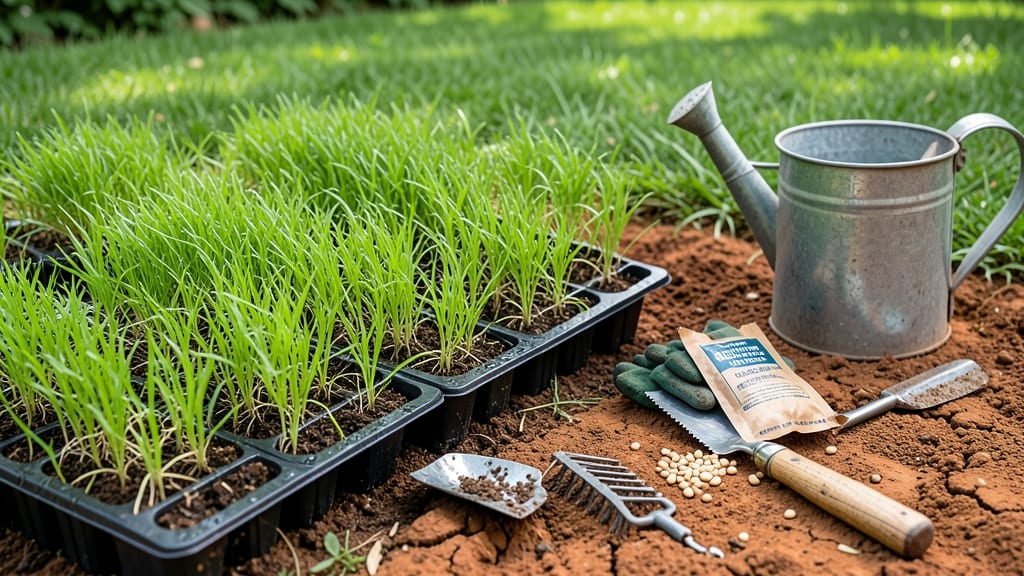
Planting summer grass in Arizona at the wrong time can turn your lawn dreams into a desert mirage—no matter how much water you pour on it.
The key to success lies in timing, and getting it right means the difference between a vibrant 🌱 Summer Grass (e.g., Bermuda, Zoysia, Buffalo Grass) lawn and months of frustration.
Most homeowners make one of three deadly mistakes: planting too early when soil is still cool, waiting too late when summer heat arrives, or ignoring Arizona’s microclimates. Each error can cost you seeds, water, and precious time.
But here’s the good news—when you plant between April and June, you align perfectly with Arizona’s 9b zone conditions.
In this guide, I’ll walk you through the exact planting window for your region, how to prep your soil for summer heat, and the three mistakes that kill grass before it even takes root.
Whether you’re in Phoenix, Tucson, or the high desert, these insights will help you avoid common pitfalls and create a lawn that thrives all season long.
Ready to transform your yard? Let’s dive into the secrets of planting summer grass the right way—so you can enjoy a lush, green space without the guesswork.
Best planting timeline for summer grass in Arizona (by region)
Arizona’s extreme heat and variable microclimates make timing critical for summer grass success. Plant too early, and your seeds will rot in cold soil. Too late, and your lawn struggles to establish before winter.
The ideal window is late April to early June—but your exact timing depends on where you live in the state.
For Phoenix and the Sonoran Desert, aim for mid-April to early May when daytime highs hit 90°F+ but nights stay above 60°F.
In Tucson’s high desert, wait until late April to early June to avoid early frost risks. Prescott and Flagstaff residents should plant late May to early June when soil warms to 65°F+.
The 100°F soil temperature rule is your best guide: Wait until the top 2-3 inches of soil consistently stay above 65°F during the day. Use a soil thermometer to check—this prevents seed rot and ensures strong germination. In low desert areas, this often means waiting until May.
Microclimates matter. A north-facing yard in Scottsdale may stay cooler longer than a south-facing one in Mesa. Shaded areas under trees can delay planting by 2-4 weeks compared to full-sun spots. Always scout your yard’s sun exposure before scheduling your planting date.
| Region | Best Planting Window | Soil Temp Requirement | Key Grass Varieties |
|---|---|---|---|
| Phoenix/Mesa | Mid-April to Early May | 65°F+ (daytime) | Bermuda, Zoysia |
| Tucson | Late April to Early June | 60°F+ (daytime) | Buffalo Grass, Bermuda |
| Prescott/Flagstaff | Late May to Early June | 65°F+ (daytime) | Zoysia, Fescue Blends |
| Sedona | Early June | 70°F+ (daytime) | Tall Fescue, Blue Grama |
If you miss the primary planting window, don’t panic. You can still seed in late June for a fall establishment, but growth will slow dramatically as temperatures rise.
For fastest results, stick to the April-June timeline and choose heat-tolerant varieties like Bermuda grass, which thrives in Arizona’s 110°F+ summers once established.
Pro tip: Overseed in September if your grass thins during summer. Cool-season grasses like ryegrass can fill gaps until your summer grass recovers. This two-step approach ensures year-round green without the high water costs of a full cool-season lawn.
Watch for monsoon season (July-August), which can bring sudden downpours. If you plant in late June, adjust your watering schedule to avoid erosion. Use a rain gauge to track moisture—your new grass needs 1/2 inch of water weekly, whether from rain or irrigation.
Finally, avoid planting in August. By then, the intense heat and low humidity make germination nearly impossible. If you’re starting a lawn in summer, focus on sod installation instead—it establishes 3x faster than seed in Arizona’s climate.
3 Deadly mistakes that kill summer grass before it grows
Arizona’s summer grass thrives only when planted correctly—but many homeowners make critical mistakes that doom their lawns before germination. I’ve seen seeds bake in the sun, soil dry out overnight, and wrong grass types fail under 110°F heat. Here are the top 3 errors and how to avoid them.
First, planting too late is a silent killer. By July, soil temperatures often exceed 100°F, scorching seeds before they sprout. Even Bermuda grass, Arizona’s top choice, struggles to establish past early June in Phoenix.
I once watched a neighbor’s $200 seed order turn to dust because he waited until August.
⚠️ Callout Warning Element ⚠️
Seeds need 60-70°F soil to germinate. Use a soil thermometer (only $10) to check before planting. If it’s above 85°F, wait or use shade cloth.
Second, ignoring soil prep guarantees failure. Arizona’s clay-heavy soil bakes hard and repels water. I tested a yard in Scottsdale where the homeowner just scattered seed—0% germination. The fix? Loosen the top 4 inches with a core aerator and mix in compost to improve water retention.
Mistake #2: Skipping Soil Amendments Clay soil acts like concrete in summer heat. Before planting, add:
- 1 inch of compost (improves drainage)
- Sand (50/50 mix with topsoil)
- Slow-release fertilizer (10-10-10 ratio)
Finally, choosing the wrong grass is a common trap. Cool-season grasses like Kentucky Bluegrass die instantly in Arizona summers. Instead, opt for heat-loving varieties:
- Bermuda (fastest grower, needs full sun)
- Zoysia (drought-tolerant, stays green)
- Buffalo Grass (low-water, native option)
Pro tip: If you’re in high-desert areas (Prescott, Flagstaff), wait until mid-May when nights cool slightly. Lowland Phoenix/Tucson can start as early as late April, but always check soil temps. A 5-minute check now saves months of frustration later.
Remember: Patience is key. Summer grass takes 6-8 weeks to establish. Water deeply twice daily for the first 2 weeks (early morning + evening), then taper to once daily. Avoid overhead sprinklers—they waste water and promote fungus. Stick to soaker hoses or drip irrigation for best results.