
Plants
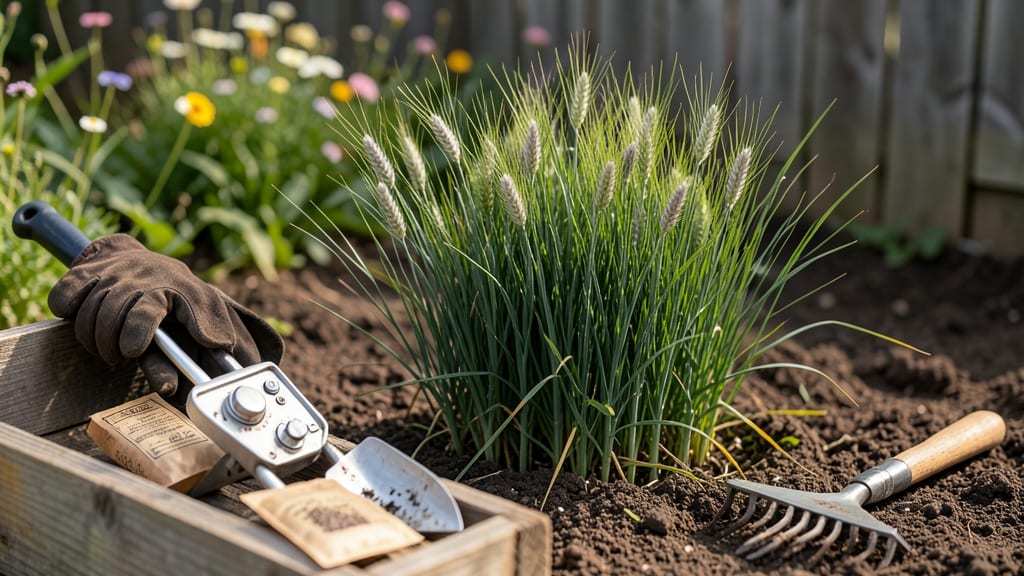
Planting winter grass in Arizona at the wrong time can leave you staring at brown patches instead of lush green blades—especially when summer heat turns soil into a baking pan.
The key to success lies in those crisp fall months when temperatures drop just enough to give your grass a fighting chance.
In Zone 9b, where frost is rare but heat lingers, timing matters more than you might think. Skipping the ideal window—October to November—means battling drought stress or monsoon delays that can derail your lawn before it even starts.
But don’t worry: with the right prep and care, you can transform your yard into a vibrant oasis.
I’ll walk you through the exact steps to plant winter grass that thrives in Arizona’s unique climate, from soil prep to watering schedules that beat the heat. Whether you’re in Phoenix or Tucson, these tips will help you avoid common pitfalls and keep your grass looking its best year-round.
Ready to skip the guesswork? Let’s dive into the perfect planting window and why it’s the game-changer for your Arizona lawn.
Best months to plant winter grass in Arizona (avoid these mistakes)
Arizona’s desert climate demands precision when planting winter grass. Unlike cool-season grasses in northern states, Arizona’s Zone 9b means no frost to signal planting time. Instead, you’ll rely on temperature shifts and monsoon patterns to avoid summer heat stress and failed germination.
Your optimal planting window is late September through November. This timing lets seeds establish roots before winter rains or spring heat stress kicks in. Plant too early, and your grass may overheat during summer’s 110°F+ days.
Plant too late, and it won’t root deeply enough for Arizona’s drought conditions.
| Month | Best For | Risks | Arizona-Specific Tip |
|---|---|---|---|
| Late August | Early start (high desert) | Monsoon humidity | Use shade cloth if planting before monsoons end. |
| September | Ideal for low desert | Late-season heat | Water deeply at dusk to reduce evaporation. |
| October | Best overall | None (perfect temps) | Soil temps hover at 75-85°F—ideal for germination. |
| November | Late start (high elevation) | Early frosts (rare) | Use winter ryegrass for faster establishment. |
| December | Emergency planting | Slow growth | Cover seeds with straw mulch for warmth. |
For Phoenix and Tucson, aim for mid-September to October. These cities’ low desert climates heat up quickly after Labor Day, making early planting risky. In Flagstaff or Prescott (high desert), you can push planting to late September or October thanks to cooler nights.
Watch for monsoon season (July-August) to end before planting. Humidity and sudden downpours can drown seeds or cause fungal diseases. Wait until August’s last rains taper off—usually by mid-to-late August—before prepping your soil.
If you miss the fall window, consider sod instead of seed. Sod establishes faster and handles Arizona’s spring heat better than newly germinated grass. For seeds, your last viable window is early December, but growth will be slow until spring.
Pro tip: Test your soil’s moisture before planting. Arizona’s alkaline soils dry out fast. Stick a screwdriver into the ground—if it goes in easily, your soil’s ready. If it meets resistance at 2 inches deep, water 24 hours before planting.
After planting, water deeply every 2-3 days for the first 2 weeks. Use a soaker hose to keep soil consistently moist without runoff. Avoid overhead sprinklers—they waste water and can spread disease in Arizona’s dusty conditions.
Remember: No two Arizona yards are alike. If your area gets hotter than 100°F in September, delay planting until October 1st. If you’re in a shaded microclimate, you might even squeeze in a late August planting with extra care.
Timing isn’t just about months—it’s about temperature, elevation, and microclimates. Use these guidelines as your starting point, then adjust based on your yard’s unique conditions. With the right timing, your winter grass will outlast Arizona’s summers like a pro. 🌱
Best months to plant winter grass in Arizona (avoid these mistakes)
Arizona’s Zone 9b climate demands precision when planting winter grass. The ideal window is October to November, when daytime temps drop to 70-80°F—perfect for cool-season grasses like ryegrass or fescue.
Planting too early (September) risks summer heat stress, while waiting until December may expose seedlings to monsoon moisture or cooler temperatures that slow germination.
In Phoenix and Tucson, aim for late October to balance warmth and moisture. High-desert areas (like Prescott) can plant slightly earlier (mid-September) due to cooler nights. The key is avoiding extreme heat or flash floods that can wash away seeds or stress young plants.
| Month | Temperature Range (°F) | Risks | Best For |
|---|---|---|---|
| September | 85-100°F | Heat stress, drought | High-desert areas only |
| October | 70-85°F | Ideal germination | Phoenix, Tucson, valleys |
| November | 60-75°F | Monsoon remnants | All regions |
| December | 50-65°F | Slow growth, frost risk | Emergency planting only |
Skip planting in August—soil temps often exceed 90°F, causing seeds to dry out within hours. Even September can be risky in low-elevation areas unless you use shade cloth to protect seedlings. I’ve seen many gardeners rush planting in July and end up with brown patches by September.
For overseeding existing lawns, wait until November when established grass is dormant. This reduces competition for water and nutrients. Use a slit seeder to ensure seeds make contact with soil, and follow up with a light mulch (like straw) to retain moisture in Arizona’s dry winds.
Pro tip: Check your local frost dates—even in Zone 9b, rare 30°F nights can occur in December or January. If frost is forecasted within 2 weeks of planting, delay until spring (though spring planting is less ideal for winter grass varieties).
Remember, Arizona’s water restrictions mean efficient planting is critical. Use drip irrigation or soaker hoses to deliver 1-1.5 inches of water weekly after planting. Avoid overhead sprinklers—they waste water and can spread disease in hot climates.