
Plants
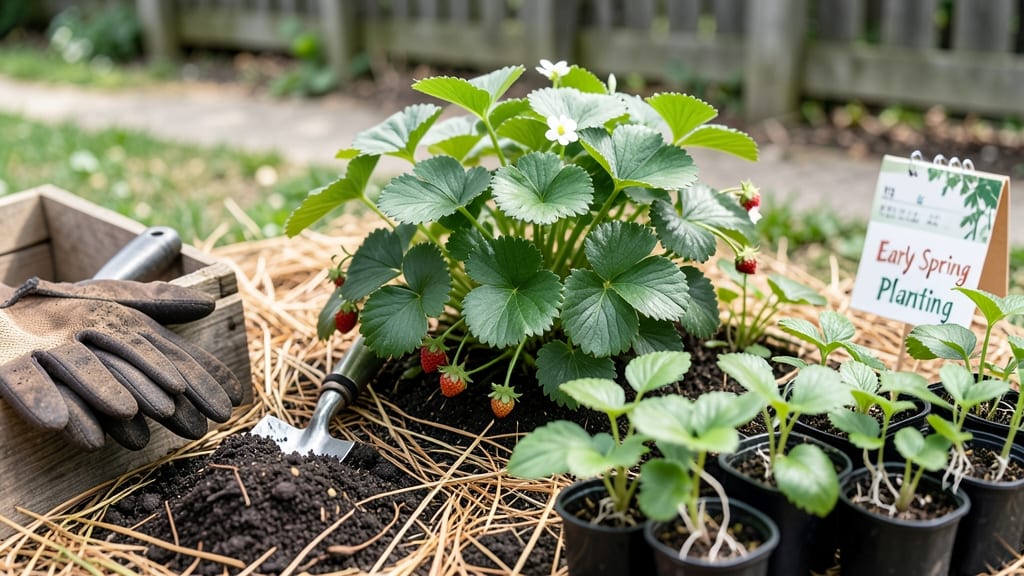
Planting strawberries in Virginia at the wrong time can mean the difference between a bountiful harvest and wasted effort. The perfect window depends on your USDA zone (7a-8a) and whether you're planting for spring or fall fruit.
Most gardeners in Virginia swear by fall planting—September to October—because it gives 🍓 strawberries time to establish roots before winter. But spring planting (February-March) works too, if you choose the right varieties and protect them from late frosts.
You’ll also want to consider chill-hour needs—some varieties need 500+ hours of cold to produce well. Get this wrong, and you might end up with weak plants or no fruit at all.
Let’s break down the exact timing, soil prep, and variety choices that will set you up for success—no guesswork involved.
Virginia strawberry planting dates by chill-hour requirements (2024 guide)
Virginia’s strawberry planting success hinges on understanding chill-hour requirements—the number of hours below 45°F (7°C) your plants need to thrive. Most Virginia regions fall between 500–1,000 chill hours, but exact timing varies by variety and microclimate.
June-bearing types need 600–1,000 hours, while everbearing and day-neutral varieties tolerate 300–500 hours. Let’s break down the best planting windows for Northern, Central, and Southern Virginia.
For Northern Virginia (Zones 7a–7b), like Arlington or Fredericksburg, aim for late winter to early spring (February–March) or early fall (September–October). Southern Virginia (Zones 7b–8a), including Richmond and Norfolk, can plant 1–2 weeks later due to milder winters.
Central Virginia (Zone 7a–7b) splits the difference, with March and September as ideal months. Always check your last frost date—typically mid-April in most areas—to avoid frost damage.
🍓 Virginia Strawberry Planting Timeline
| Region | Chill Hours | Best Planting Windows | Notes |
|---|---|---|---|
| Northern VA (Zones 7a–7b) | 600–1,000 | Feb 15–Mar 15, Sep 1–15 | June-bearing varieties only; mulch heavily in winter. |
| Central VA (Zones 7a–7b) | 500–800 | Mar 1–15, Sep 15–30 | Everbearing varieties thrive here; avoid late fall planting. |
| Southern VA (Zones 7b–8a) | 300–600 | Mar 15–Apr 1, Sep 15–Oct 1 | Day-neutral varieties perform best; extend season with row covers. |
💡 Pro Tip: Use row covers or straw mulch to protect early spring plantings from late frosts (28°F or lower).
If you’re planting bare-root strawberries, soak roots in lukewarm water for 30 minutes before planting to reduce transplant shock. For potted plants, transplant as soon as possible after purchase—delaying by more than 2 weeks can stunt growth.
In Virginia’s humid climate, everbearing varieties like ‘Seascape’ are ideal for fall planting, while June-bearing types like ‘Chandler’ need the full chill period for optimal fruiting.
For fall planting (September–October), focus on day-neutral varieties or everbearing types, which can produce fruit the following spring. Avoid planting June-bearing strawberries in fall—they won’t fruit until the second year. Instead, use fall as a chance to establish roots for a bigger harvest next season.
Water deeply after planting and apply a 2–3 inch layer of mulch to insulate roots from winter temperature swings.
One common mistake in Virginia is planting too early in spring (before March 1) when soil is still cold and wet. This leads to rot and fungal diseases. Wait until the soil warms to at least 50°F (10°C)—test with a soil thermometer if unsure.
Another pitfall is ignoring microclimates: A south-facing slope in Northern Virginia may warm 2–3 weeks earlier than a north-facing valley, so adjust planting dates accordingly.
To extend your harvest, consider successive planting: Start with June-bearing varieties in March for a late spring harvest, then add everbearing types in September for a fall crop.
In Southern Virginia, day-neutral varieties like ‘Albion’ can produce fruit throughout the growing season if planted in early spring and fall. Just remember: Day-neutral strawberries need consistent moisture—Virginia’s summer heat can dry soil quickly, so drip irrigation is your best friend.
For container gardening in Virginia, plant potted strawberries in late April or early May after the last frost. Use large pots (12+ inches deep) with well-draining soil and fertilize every 4–6 weeks with a balanced 10-10-10 mix.
Containers heat up faster in summer, so move pots to partial shade during peak afternoon sun (1–4 PM) to prevent stress. In cooler microclimates, like the Blue Ridge Mountains, you can plant 1–2 weeks earlier than the general guidelines.
Finally, always rotate your strawberry beds every 3–4 years to prevent soil-borne diseases like verticillium wilt, which thrives in Virginia’s humid summers. Plant strawberries after grasses, legumes, or brassicas to improve soil health. With the right timing and care, you’ll enjoy sweet, homegrown strawberries from May through October—no matter
How to adjust planting for Virginia’s heat zones (7a–8b) and avoid common mistakes
Virginia’s USDA heat zones 7a–8b create a tricky balance for strawberries—too much winter chill can stress plants, while summer heat can scorch them before harvest. The key is timing your planting to match your microclimate, whether you’re in the cooler Blue Ridge Mountains or the warmer Tidewater region.
Late-spring frosts (even after April 15) and humidity spikes in summer are your biggest enemies.
Most gardeners in Virginia make three critical mistakes when planting strawberries: rushing spring planting before soil warms, ignoring chill-hour verification for varieties, and skipping mulch protection in fall. These errors lead to poor root establishment, disease outbreaks, or wasted plants. Let’s fix them with science-backed adjustments for your specific zone.
🚨 Callout Warning: Planting too early (before soil temps reach 40°F) risks frost damage. Ignoring heat zones means your June-bearing variety might not flower. Skipping mulch in fall leaves roots exposed to winter kill. Here’s how to avoid these pitfalls:
⚠️ Critical Mistakes & Fixes
- Mistake: Planting in cold soil (before 40°F) → Fix: Wait until mid-March in Northern VA or late February in Southern VA.
- Mistake: Choosing high-chill varieties (e.g., 900+ hours) for Zone 7b → Fix: Pick Albion (600–800 hours) or Chandler (700–900 hours).
- Mistake: No mulch protection in winter → Fix: Use straw or pine needles (3–4 inches) after first frost.
🌱 Pro Tip: Test soil temps with a thermometer—strawberries need consistent warmth to thrive.
For Zone 7a (Northern VA), aim for fall planting in September—this gives roots time to establish before winter. In Zone 8a (Southern VA), late winter (February) works best to avoid summer heat stress.
Always space plants 18–24 inches apart to improve airflow and reduce fungal diseases like gray mold, which thrives in Virginia’s humidity.
Mulching isn’t just for winter—it’s a year-round strategy. In summer (June–August), use black plastic mulch to keep roots cool and suppress weeds. In fall (October–November), switch to organic mulch to insulate roots.
This dual approach protects your plants from Virginia’s temperature swings (from 20°F winters to 95°F summers).
If you’re planting bare-root strawberries, soak roots for 1–2 hours before transplanting to reduce shock. For potted plants, harden them off for 3–5 days before moving to the garden.
Both methods fail if you don’t adjust for your heat zone—so check your last frost date (typically mid-April in most of VA) and plant 4–6 weeks before.
Finally, water deeply but infrequently—Virginia’s clay soil drains poorly, leading to root rot. Use drip irrigation or soaker hoses to deliver 1 inch of water weekly, focusing on the root zone.
Avoid overhead watering, which spreads disease spores. With these adjustments, your strawberries will thrive in Virginia’s climate, not just survive it. 🌿