
Plants
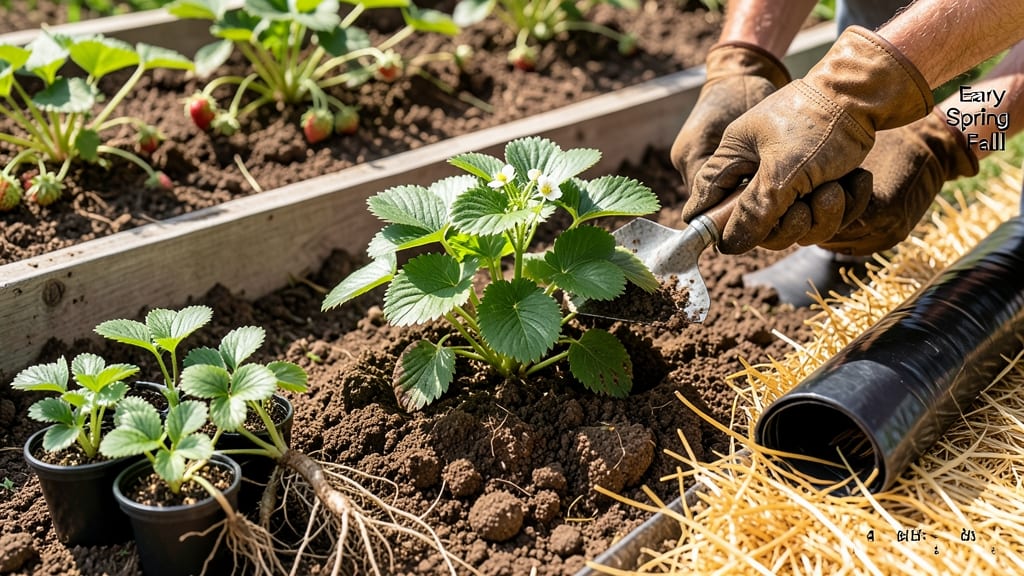
Planting strawberries in Oklahoma at the wrong time can mean the difference between a bountiful harvest and a sad, frost-bitten disappointment.
The ideal window for planting these sweet 🍓 treats is late February through early April, but timing varies slightly depending on your USDA zone—whether you're in cooler Zone 6a or warmer Zone 8a.
Why does this matter? Because Oklahoma's unpredictable spring weather can turn a promising strawberry patch into a science experiment. I've learned the hard way that planting too early risks frost damage, while waiting too long might mean missing the sweet spot for root establishment before summer heat sets in.
In this guide, I'll walk you through the exact months to plant strawberries in Oklahoma for maximum success, including how to adjust for your specific location. Whether you're growing in containers or in-ground beds, these tips will help you avoid common mistakes and get the juiciest berries possible.
Ready to transform your garden into a strawberry paradise? Let's dive into the perfect planting schedule that works for Oklahoma's unique climate—so you can enjoy homegrown strawberries from May through October without the stress of frost surprises.
Best planting months for strawberries in Oklahoma (by variety)
Oklahoma’s USDA zones 6b-8a create a unique window for planting strawberries—late winter to early spring for the biggest harvests, but fall planting works too if you time it right. The key is avoiding frost damage while giving roots time to establish before summer heat arrives.
For June-bearing varieties (like Chandler or Jewel), plant bare-root plants in late February to early March—this gives them 6-8 weeks to root before the last frost date (typically March 15). Potted strawberries can go in until mid-April for a May harvest.
Everbearing and day-neutral varieties (like Seascape or Albion) are more flexible—they produce fruit in two seasons if planted late winter or early fall. Fall planting (August-September) lets them establish roots before winter dormancy, with harvests in late fall or early spring.
Southern Oklahoma (Zone 8a) can plant 1-2 weeks earlier than northern regions (Zone 6b). For example, Tulsa gardeners might plant in early February, while those in Oklahoma City should wait until mid-February.
| Variety Type | Best Planting Window | Harvest Time | Oklahoma Notes |
|---|---|---|---|
| June-Bearing | Late Feb–Early Mar (bare-root) / Mid-Apr (potted) | May–June | Highest yield; needs winter mulch |
| Everbearing | Late Feb–Early Mar OR Aug–Sep | June + Sept–Oct | Two harvests; fall planting for spring fruit |
| Day-Neutral | Late Feb–Early Apr OR Aug–Sep | May–Oct (continuous) | Best for containers; heat-tolerant |
If you miss the spring window, fall planting in August-September still works—just choose everbearing or day-neutral varieties for a late fall harvest. The goal is to give plants 4-6 weeks to establish roots before the first frost (usually mid-November).
For container gardening, extend your window by 2-3 weeks—pots warm up faster in spring and cool down slower in fall. Just ensure containers have drainage holes and use lightweight potting mix to prevent root rot.
Pro tip: Check Oklahoma State University’s frost-free date maps annually—climate change is shifting these windows. For example, Zone 7a areas (like Lawton) now have 10-14 days earlier last frost dates than historical records.
After planting, mulch heavily with straw or pine needles to insulate roots from winter temperature swings (common in Oklahoma’s USDA 6b zones). This keeps soil temps 5-10°F warmer than unmulched beds.
🌱
How to adjust planting timing for Oklahoma’s microclimates
Oklahoma’s diverse climate—from the cooler northern regions to the warmer southern areas—means planting times can vary by 50+ miles. In Oklahoma City (Zone 7a), you might plant strawberries by mid-March, while in Tulsa (Zone 7b), you could start as early as late February.
Rural areas with higher elevations may need to wait until April to avoid late frosts.
Microclimates also play a role. South-facing slopes warm up faster, allowing earlier planting, while low-lying areas or shaded spots may need delayed planting. Always check local frost dates—Oklahoma State University Extension provides updated forecasts yearly.
For container-grown strawberries, you have more flexibility. You can plant them 4-6 weeks earlier than in-ground varieties because pots warm up faster in spring. Just ensure containers have drainage holes to prevent root rot in Oklahoma’s occasional heavy rains.
Use OSU Extension’s frost maps or local weather apps to pinpoint your area’s last frost date.
Lay floating row covers over beds in March to protect plants from unexpected frosts (28°F tolerance).
Lay black plastic mulch 2-3 weeks before planting to raise soil temps by 10°F+ in cooler zones.
Choose ‘Chandler’ or ‘Albion’ for northern OK—they tolerate 14°F without damage.
In Zone 8a (e.g., Lawton), plant everbearing varieties in August-September for a winter harvest.
If you’re in a transition zone (like Stillwater or Norman40% in March and 60% in April to hedge against frost. For urban gardeners, raised beds heat up faster—ideal for early March planting.
Always monitor weather forecasts the week before planting. A 3-day warm spell above 50°F is your green light to get strawberries in the ground. Just remember: patience pays off—rushing leads to frost-killed plants and wasted effort.
🌱