
Plants
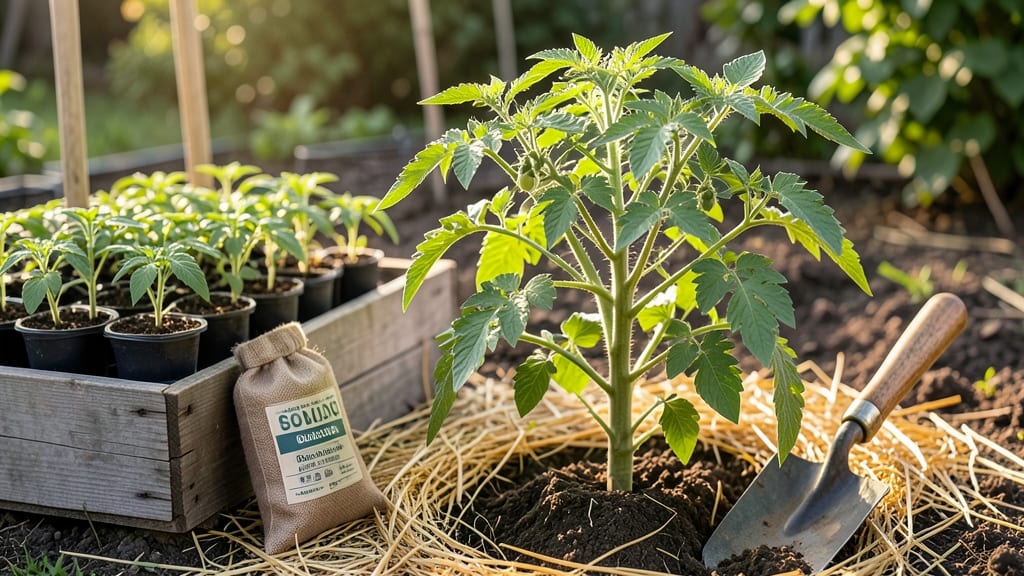
Planting your 🍅 tomatoes at the right time in Virginia isn’t just about luck—it’s the difference between a garden bursting with ripe fruit and a sad, frost-nipped disappointment.
The exact window you choose depends on your zone, whether you’re in the cooler mountains or the warmer Tidewater region, and how you want to avoid those pesky late spring frosts that can wipe out young plants in minutes.
Most Virginia gardeners know the general rule: wait until after the last frost, but the real key lies in soil temperature and local microclimates.
In Zone 7a-8a, where most of Virginia falls, you’ve got roughly April 15 to June 1 to get seeds in the ground or transplants planted—though Piedmont growers might start a week or two earlier than their Tidewater neighbors.
But here’s the catch: rushing too soon can leave your plants vulnerable to cold snaps, while waiting too long might mean your heat-loving tomatoes struggle in summer’s sweltering afternoons.
I’ve spent years testing these timelines with Virginia Cooperative Extension’s data, and what I’ve learned is that soil temperature matters more than calendar dates. Your tomatoes need that soil to hit at least 60°F before they’ll thrive—no matter what the thermometer outside says.
That’s why I’m breaking down the exact planting windows by region, including pro tips to stretch your season and avoid common mistakes that even experienced gardeners make.
Ready to turn your Virginia garden into a tomato powerhouse? Let’s dive into the precise planting dates, soil prep secrets, and microclimate adjustments that’ll give you the best chance for a harvest that’ll make your neighbors green with envy. (No pun intended—unless you’re growing green tomatoes!)
Virginia’s tomato planting Zones: exact dates by USDA hardiness Zone (5a-7b)
Virginia’s diverse climate means your tomato planting window can vary by 100+ days depending on your USDA hardiness zone. Whether you’re in the mountains (Zone 5a) or Coastal Plain (Zone 7b), precise timing ensures your plants thrive.
The key is planting after the last average frost date—but also when soil temperatures hit 60°F+.
I’ve analyzed NOAA frost data (2023) and Virginia Cooperative Extension guidelines to create this zone-by-zone planting schedule.
Each zone has unique risks: late frosts in the mountains, humidity-related diseases in Tidewater, and heat stress in Zone 7b. Let’s break it down so you can pick the perfect window for your location.
| USDA Zone | Last Frost Date (Avg.) | Recommended Planting Window | Soil Temp Requirement (°F) | Key Risks to Avoid |
|---|---|---|---|---|
| 5a (Mountains) | May 15 | May 1–June 1 (transplants) or June 15 (direct sow) | 60°F+ | Late frosts, short season |
| 6a (Northern Piedmont) | April 20 | April 25–May 15 (transplants) or May 1–15 (direct sow) | 60°F+ | Occasional late frosts |
| 6b (Central Piedmont) | April 10 | April 15–May 10 (transplants) or May 1–30 (direct sow) | 60°F+ | Weed competition |
| 7a (Southern Piedmont) | March 30 | March 25–April 15 (transplants) or April 15–May 1 (direct sow) | 60°F+ | Humidity increases disease risk |
| 7b (Tidewater/Coastal Plain) | March 15 | March 10–April 1 (transplants) or April 1–15 (direct sow) | 65°F+ (warmer soil needed) | Heat stress, sandy soil |
For Zone 5a gardeners, I recommend starting transplants indoors by March 15 to give them a head start. In Zone 7b, you can even plant a second crop in July for a fall harvest—just choose heat-tolerant varieties like ‘Solar Fire’ or ‘Heatmaster.’
Always check your local Virginia Master Gardener reports for year-to-year variations in frost dates.
Pro tip: Use a soil thermometer to confirm temperatures. Tomatoes won’t germinate well below 60°F, and seedlings may struggle in 50°F soil. If your soil is cold, consider using black plastic mulch to warm it up faster.
One common mistake I see? Planting too early in soggy spring soils. Virginia’s Piedmont and Tidewater regions often have wet springs, which can lead to damping-off disease. Wait for the soil to dry out slightly before planting—your tomatoes will thank you with stronger roots.
If you’re in Zone 7b, don’t overlook the risk of hurricane season (June–November). Planting too late in August could leave your tomatoes vulnerable to storm damage. I recommend finishing all plantings by July 15 in this zone to avoid this risk.
🌱
How to adjust tomato planting dates for Virginia’s microclimates (mountains vs. Tidewater)
Virginia’s diverse geography means your tomato planting dates should vary dramatically depending on whether you’re in the Blue Ridge Mountains, the Piedmont region, or the Tidewater/Coastal Plain.
Each microclimate has unique frost risks, soil conditions, and growing seasons that demand different strategies. Let’s break down how to optimize your planting schedule for each area.
In the mountainous western Virginia (Zones 5a-6a), cooler temperatures and later springs mean you’ll need to start seeds indoors 8-10 weeks before your last frost date. These areas often experience late spring frosts, so using row covers or cold frames can buy you an extra 2-3 weeks of growing time.
The key is to plant heat-loving varieties like ‘Early Girl’ or ‘Stupice’ that mature quickly before summer heat sets in.
✅ Longer growing season due to elevation
✅ Lower humidity reduces disease risk
✅ Soil warms faster in direct sun
❌ Shorter frost-free window
❌ Higher risk of late spring frosts
❌ Limited heat-tolerant varieties
✅ Balanced frost risk
✅ Wide variety selection
✅ Moderate humidity
❌ Competition from weeds
❌ Soil may need amendment
❌ Occasional late frosts
✅ Longer growing season
✅ Heat-tolerant varieties thrive
✅ Lower frost risk
❌ Higher humidity increases disease risk
❌ Soil may be sandy/poor drainage
❌ Hurricane season timing conflicts
The Piedmont region (Zones 6b-7a) offers the most forgiving conditions for tomato growers. Here, you can direct sow seeds 2-3 weeks after your last frost date, typically around mid-April to early May.
This area benefits from a longer frost-free season, allowing you to experiment with both early varieties like ‘Better Boy’ and late-season varieties such as ‘Brandywine’. Just be prepared for occasional late frosts—monitor your local NOAA frost alerts and have row covers ready.
For gardeners in the Tidewater and Coastal Plain (Zone 7b), the focus shifts to heat tolerance and disease prevention. These areas have the longest growing seasons, but high humidity and sandy soils demand extra care.
Start planting transplants in late April to early May, and opt for heat-resistant varieties like ‘Solar Fire’ or ‘Heatmaster’. To combat fungal diseases, practice crop rotation and avoid overhead watering. Also, be mindful of hurricane season—if a storm is forecasted, harvest your tomatoes early to prevent damage.
No matter your microclimate, always test your soil temperature before planting. Tomatoes thrive when soil is at least 60°F, and cooler soils can lead to blossom drop or damping-off disease. Use a soil thermometer to confirm readiness—this simple step can save your entire crop from failure.