
Plants
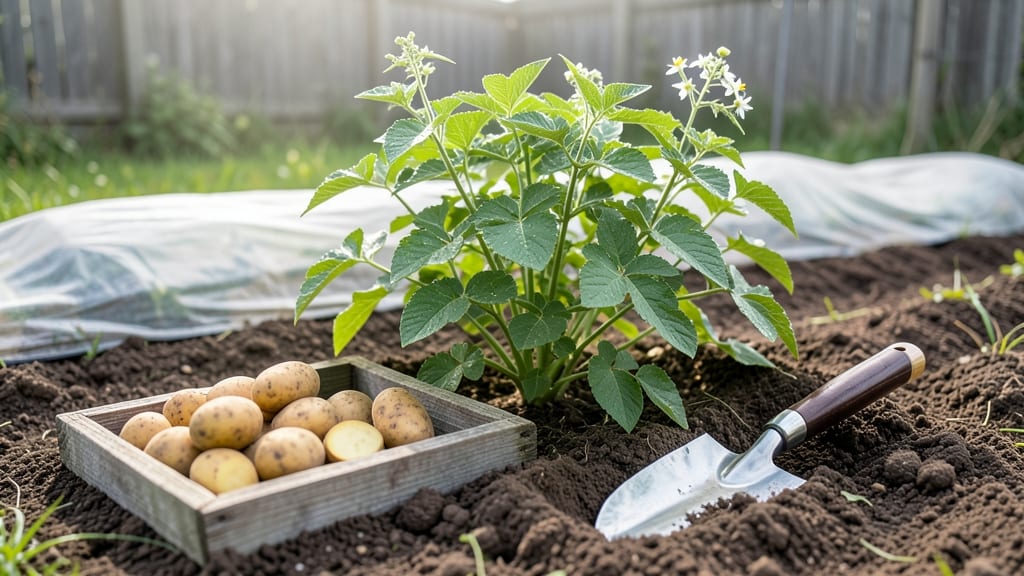
When do you plant potatoes in Zone 6? The secret to a bumper harvest isn’t luck—it’s timing. Plant your 🥔 too early, and frost will nip your sprouts before they even peek through the soil. Wait too long, and you’ll miss the sweet spot for maximum yield. But with the right cold-soil strategies, you can beat Zone 6’s unpredictable spring and get a jumpstart on tubers that’ll outperform the neighbors’. Most gardeners in 6a-6b rush to plant as soon as the ground is workable, but that’s a recipe for disappointment. The key is waiting until soil temps hit 45°F—cold enough to deter weeds but warm enough for roots to establish fast. That usually lands in early April, but early varieties can go in as soon as late March if you’re willing to protect them with row covers or black plastic. Here’s what you’ll discover: the exact 4-6 week window before your last frost to plant for peak harvests, how to "chit" your seed potatoes for faster sprouting in cold soils, and which varieties thrive when Zone 6’s spring drags on. No more guessing—just science-backed timing that turns your potato patch into a productivity powerhouse. Whether you’re a first-time gardener or a veteran grower, these tricks will help you avoid the most common mistakes—like planting too shallow or ignoring soil moisture—and set you up for a harvest that’ll last through winter. Let’s get those spuds in the ground the right way.

Optimal planting timeline for Zone 6 potatoes (with frost protection tips)
Timing is everything when planting potatoes in Zone 6. The key is to plant 4-6 weeks before your last frost date—typically between mid-March and early April—but with a twist for cold soils.
In Zone 6, where frost can linger until mid-April, you’ll need to use cold-soil tricks to avoid stunted growth or frost damage.
For early varieties, you can even start planting as early as late February if you use black plastic mulch or a cold frame to warm the soil.
This gives you a 60-70 day harvest window, perfect for new potatoes. Meanwhile, late varieties should wait until mid-April to avoid early frost risks.
Here’s the breakdown: Soil temperature must reach at least 45°F (7°C) for potatoes to sprout consistently. If your soil is colder, use row covers or straw mulch to insulate and protect young plants. This is especially critical in Zone 6a, where frosts can occur well into April.
If you’re unsure about your last frost date, check local records or use a frost calendar for your specific location in Zone 6. For example, Chicago typically sees its last frost around April 15, while Denver might be a week earlier.
Planting too early without protection can leave your potatoes frostbitten or struggling to sprout.
For a successful harvest, aim to plant two rounds of potatoes: one in late February/March for early varieties and another in mid-April for late-season types. This staggered approach ensures a continuous supply of fresh potatoes from June through September.
Just remember: early planting requires extra care to shield young plants from late frosts.
One of my favorite Zone 6 hacks is using chitted potatoes (pre-sprouted seed potatoes) for early planting. This gives them a head start and helps them establish faster in cold soils.
Pair this with black plastic mulch, and you’ll see sprouts breaking through the soil in just 2-3 weeks, even in chilly conditions.
Don’t forget to hill your potatoes as they grow—adding soil around the stems encourages more tuber formation. Start hilling when plants reach 6 inches tall, and repeat every 2-3 weeks until the plants flower.
This is especially important in Zone 6’s shorter growing season, where maximizing tuber growth is key.
Finally, keep an eye on weather forecasts in the days leading up to planting. If a late frost is predicted, delay planting by a week or use frost cloth to protect your crop.
With the right timing and a little extra care, you’ll be digging up golden, crisp potatoes by summer—no matter how unpredictable Zone 6’s spring can be!
For extra insurance, consider planting early varieties like 'Yukon Gold' under row covers or in a cold frame. These varieties are more frost-tolerant and can handle cooler soils better than others. Just be sure to remove covers once the soil warms up to avoid overheating.
🌱
How to prep potatoes for faster sprouting in cold Zone 6 soils
Cold Zone 6 soils can be a challenge for potato sprouting, but with the right prep work, you can jumpstart growth and extend your harvest window. The key is chitting your seed potatoes and warming the soil before planting.
These tricks help compensate for chilly spring temperatures and give your plants a head start.
Start by selecting certified seed potatoes (not grocery store potatoes) from varieties suited for cold climates. Look for Yukon Gold or Red Pontiac, which handle cooler soils better than delicate varieties.
Cut larger seed potatoes into 2-ounce pieces, ensuring each has at least one or two eyes for sprouting.
Chitting is the process of pre-sprouting your seed potatoes indoors. Place them in a cool, bright spot (around 50-60°F) with the cut-side up. Within 2-3 weeks, you’ll see 1-2 inch sprouts ready for planting. This method gives your potatoes a 2-week growth advantage over unchitted tubers.
Step-by-Step Chitting & Soil Prep Guide
- Week 1-2: Place seed potatoes in a bright, cool spot (50-60°F) with cut-side up. Wait for 1-inch sprouts to form.
- Week 3: Harden off chitted potatoes by moving them to a garage or porch for 24 hours before planting.
- Soil Prep: Warm soil using black plastic mulch or straw bales 1-2 weeks before planting.
- Planting: Bury chitted potatoes 4 inches deep in loose, well-draining soil with sprouts facing up.
If your soil is still below 45°F when planting time rolls around, use soil warming hacks like laying down black plastic mulch or covering the bed with straw bales a week before planting. This raises soil temps by 5-10°F, creating a warmer microclimate for roots to establish faster.
For an extra boost, consider container growing in Zone 6. Fill large pots with well-draining mix and place them in a sunny, sheltered spot. Containers warm up faster than ground soil and let you plant 2-4 weeks earlier than traditional in-ground methods.
Remember: Patience is key—even with chitting, don’t rush into planting until soil temps stabilize above 45°F. The last thing you want is frost damage undoing all your prep work. With these methods, you’ll be harvesting new potatoes in as little as 60 days!