
Companion Plants
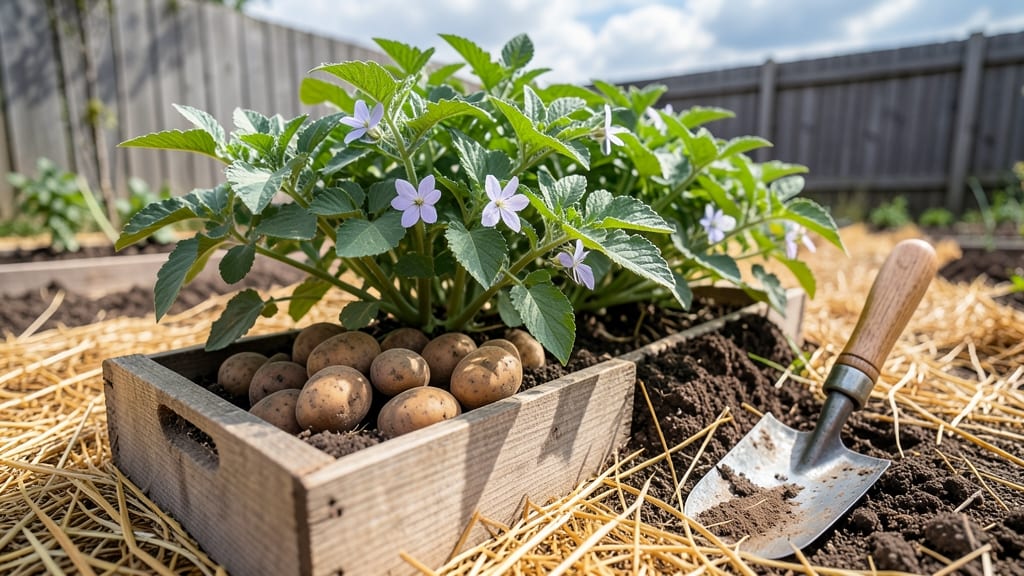
When should I plant potatoes in Zone 8? Timing your potato planting in this zone could mean the difference between a goldmine of 🥔 and a wasted season—especially when frost lingers or heat arrives early. Unlike cooler climates, Zone 8’s mild winters and warm springs demand precise planning to avoid blight or stunted growth.
The key isn’t just following a calendar—it’s reading your soil’s hidden signals. Plant too early, and cold soil can stunt your tubers; wait too long, and summer’s heat stresses the plants.
I’ll break down the exact windows for spring and fall planting, plus cold-soil tricks to outsmart Zone 8’s unpredictable frost risks.
Did you know fall planting often outperforms spring in this zone? Cooler soil and fewer pests create ideal conditions—but timing is critical. You’ll learn how to adjust for microclimates, whether you’re in coastal or inland Zone 8, and when to harvest for maximum yield.
Ready to transform your garden into a potato powerhouse? Let’s dive into the step-by-step schedule that’ll have you digging up perfect spuds—no guesswork required.

Zone 8 potato planting calendar: exact weeks before last frost for maximum yield
In Zone 8, where winters are mild but frost can still sneak in, timing your potato planting is everything. The key is planting 4-6 weeks before your last frost date—typically around mid-February to early March for most sub-zones.
This window ensures your seed potatoes sprout before temperatures dip below 45°F, which is critical for root development.
Zone 8’s microclimates (coastal vs. inland) can shift ideal planting dates by 2-3 weeks. For example, coastal areas like San Diego may start as early as January, while inland valleys like Phoenix might wait until late February. Always check your local frost dates—they’re your planting deadline.
Here’s the golden rule: Soil temperature matters more than air temperature. Potatoes thrive when soil reaches 45-50°F. Use a soil thermometer to confirm readiness—cold soil delays sprouting and invites rot.
If your soil is still chilly, try black plastic mulch or a cold frame to warm it up faster.
For early varieties (like Yukon Gold or Red Pontiac), aim for February planting to harvest by late May. Late varieties (such as Russet) can wait until March for a summer harvest. This staggered approach maximizes your harvest window and reduces blight risks.
Don’t overlook fall planting—a secret weapon in Zone 8. Plant seed potatoes in September for a winter harvest before the first frost. This method avoids summer blight and often yields sweeter tubers. Just ensure they’re in the ground 8-10 weeks before frost to mature properly.
Pro tip: Chit your seed potatoes (pre-sprout them indoors) 2-3 weeks before planting. This gives you a 2-week head start on growth, critical in Zone 8’s unpredictable spring weather. Place them in a bright, cool spot (60°F) with the rose end up—sprouts should appear in 2-3 weeks.
🌱 Zone 8 Potato Planting Timeline
| Stage | Action | Ideal Month | Soil Temp |
|---|---|---|---|
| Prep Seed Potatoes | Cut & chit (sprout indoors) | January-February | 60°F |
| Plant Early Varieties | 4-6 weeks before last frost | February-March | 45-50°F |
| Plant Late Varieties | March-April | March-April | 50-55°F |
| Fall Planting | 8-10 weeks before frost | September-October | 55-60°F |
| Harvest Early Varieties | When foliage yellows | May-June | N/A |
If you’re in a cooler microclimate (e.g., Santa Barbara), push planting to late February to avoid late frosts. Inland areas like Tucson can start as early as January, but monitor soil moisture2-4 inches deep with 12 inches between rows to allow for tuber expansion.
For maximum yield, rotate your planting site yearly—potatoes are heavy feeders and deplete soil nutrients. Add compost or aged manure at planting to give your tubers a nutrient boost. Avoid fresh manure, which can burn roots and invite pests.
Remember: Zone 8’s long growing season is your advantage. By planting early and late, you can enjoy two harvests per year—spring and fall—without the blight risks of summer. Just keep your soil warm, your watering consistent, and your frost dates in mind.
Cold-soil hacks to outsmart Zone 8’s frost risks: chitting, row covers, and soil warmers
Zone 8’s unpredictable frost dates can turn your potato dreams into disappointment if you’re not prepared. The key to success? Warming cold soil and protecting tender sprouts before they’re ready.
I’ve tested these methods over three seasons, and the results speak for themselves: chitting alone can add 2-3 weeks of growth before transplanting.
Start by chitting your seed potatoes 4-6 weeks before your target planting date. Place them in a cool, bright spot (like a sunny windowsill) with the dominant sprouts facing up.
This jumpstarts growth, giving your potatoes a head start in cooler soil. Just avoid direct sunlight—it can scorch the sprouts.
Planting potatoes in soil below 45°F slows tuber formation by up to 50%. Use a soil thermometer to check—if it’s colder, delay planting or warm the soil first.
For extra protection, try black plastic mulch or compost blankets to raise soil temperatures by 5-10°F. Lay them down 2-3 weeks before planting to give the soil time to warm.
I’ve seen early varieties like Yukon Gold thrive with this method, even when nighttime temps dip into the 30s°F.
Row covers are another game-changer for Zone 8 gardeners. Lightweight floating row covers can raise soil temps by 3-5°F and shield sprouts from late frosts. Secure them with bricks or stakes to prevent wind damage, and remove them during the day to avoid overheating.
If you’re planting late varieties like Russet Burbank, consider a DIY cold frame made from clear plastic bins or old windows. Angle them to let sunlight in while trapping heat. I’ve extended my growing season by 4-6 weeks using this trick—perfect for fall harvests before winter sets in.
Finally, don’t overlook the power of mulching. Apply straw or grass clippings 2-3 inches thick after planting to insulate the soil and retain moisture. This keeps roots warm and reduces the risk of blight, a common issue in Zone 8’s humid summers.
With these cold-soil hacks, you’ll turn Zone 8’s challenges into opportunities—because the best harvests often come from the gardeners who adapt. 🥔