Companion Plants
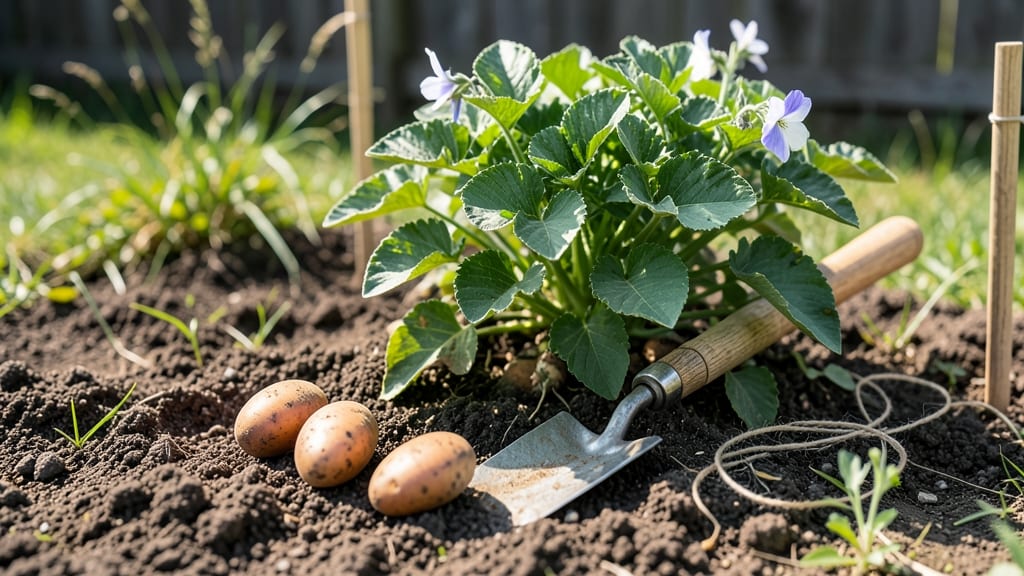
Timing your potato planting in Zone 6b could mean the difference between a bumper harvest and wasted seed potatoes. If you plant too early, a late frost will kill your tender sprouts, while waiting too long risks missing the ideal 60–120-day growing window.
The key is understanding your local frost dates and soil temperature thresholds—because potatoes need warmth to thrive, not just time.
Most gardeners in Zone 6b aim to plant their 🥔 seed potatoes 4–6 weeks before the last expected frost (typically around mid-April). But here’s the catch: soil temperature matters just as much as calendar dates.
Cold, damp soil can stunt growth, so I’ll show you how to test for readiness and adjust your schedule if Mother Nature throws a curveball.
You’ll also discover the best varieties for your climate—some handle early planting better than others—and how to prepare your soil for maximum yield.
Whether you’re a first-time grower or a seasoned gardener, these science-backed tips will help you avoid common mistakes and get a head start on a harvest full of crisp, homegrown potatoes.
Ready to dig in? Let’s break down the exact steps to time your planting for zero-frost success, so you can enjoy fresh potatoes from your garden all summer long.

Zone 6B potato planting dates: frost-proof timeline for maximum yield
In Zone 6B, potatoes thrive when planted at the perfect moment—too early and frost zaps your crop, too late and you miss peak harvest. The ideal window starts 4-6 weeks before your last frost date, typically between mid-March and early April.
But with Zone 6B’s unpredictable spring weather, timing requires precision.
Potatoes need soil temperatures of at least 45°F (7°C) to sprout consistently. In Zone 6B, this usually aligns with late March to early April, but cooler springs may push planting into mid-April. Always check soil temp with a probe—cold soil delays germination and invites rot.
For maximum yield, aim to harvest before first frost (October 15). Early varieties (60-90 days to maturity) planted in March will be ready by mid-June, while late varieties (100-120 days) need April planting for a late-summer harvest.
Raised beds warm faster than in-ground soil, allowing 2-3 weeks earlier planting. If your ground stays frozen, use black plastic mulch or a cold frame to accelerate warming. This trick extends your planting window into early April without frost risk.
| Planting Stage | Zone 6B Timeline | Key Actions |
|---|---|---|
| Soil Prep | Late February - Early March | Test soil pH (5.0-6.5), add compost, loosen 12" deep |
| Early Varieties | Mid-March to Early April | Plant 4" deep, 12" apart; use row covers for frost protection |
| Mid-Season Varieties | Early to Mid-April | Plant after last frost risk; mulch heavily to retain moisture |
| Late Varieties | Mid-April | Prioritize for fall harvest; extend season with black plastic |
| Harvest Window | June - September | Early: 60-90 days; Late: 100-120 days; stop watering 2 weeks before harvest |
Use your local last frost date as your anchor. In Zone 6B, the average is April 15, but check your microclimate—valleys frost later than hills.
Plant early varieties first (like Yukon Gold or Red Pontiac) for a staggered harvest. If late frost hits, cover plants with frost blankets until danger passes.
For extended harvests, try succession planting: plant early, mid, and late varieties 2-3 weeks apart. This ensures potatoes ready from June through September. Just space your rows so you can harvest without disturbing others.
Never plant potatoes in frozen or waterlogged soil. If your ground stays soggy, create raised beds with sandy loam. Amend with composted manure for nitrogen—potatoes are heavy feeders and need fertile soil to produce abundant tubers.
Pro tip: Chit your seed potatoes (expose to light for 2-3 weeks before planting) to jumpstart sprouting. This gives you a 2-week head start on growth, critical in Zone 6B’s short season. Store them in a cool, bright place (like a sunny windowsill) to encourage even sprouting.
Monitor your plants closely after sprouting. If flowers appear, reduce water slightly to shift energy from blooms to tuber development. In Zone 6B, early blight is a common threat—rotate crops annually and avoid overhead watering to prevent fungal spores.
How to adjust potato planting for Zone 6B’s unpredictable spring weather
Zone 6B’s spring is famously fickle—one week brings warm sunshine, the next delivers killing frosts. To protect your potato crop, you’ll need a flexible strategy. The key is planting early but with frost-proof safeguards like row covers or cold-hardy varieties.
I’ll walk you through how to handle late frosts, soil moisture swings, and temperature rollercoasters without sacrificing your harvest.
Start by checking your local frost dates (not just the average April 15 last-frost date). Use a planting calculator or ask your local extension office for your area’s historical frost patterns.
If your spring has been slow to warm, consider delaying planting by 2–3 weeks rather than risking frost damage to tender sprouts. The goal is to plant when the soil reaches 45°F consistently—this ensures roots establish before summer heat arrives.
⚠️ FROST WARNING:
Late frosts can kill potato foliage but won’t harm tubers if planted deep (6+ inches). However, if sprouts emerge and die, you’ll lose 2–3 weeks of growth. For extra protection, use floating row covers or plant in raised beds, which warm up faster.
🌱 Pro Tip: If frost hits after planting, cover rows with straw or black plastic to insulate soil and prevent temperature swings.
For soil moisture, Zone 6B’s spring can swing from soggy to droughty in days. Potatoes hate waterlogged soil (which causes rot) but also dry spells (which stunt tubers). Aim for consistently moist soil by mulching with straw or grass clippings after planting.
This keeps soil temperatures stable and reduces evaporation. If your area is prone to early spring rains, plant in raised beds or on mounds to improve drainage.
Temperature swings are another challenge. If daytime highs reach 70°F but nights dip below 40°F, your potatoes may grow unevenly. To mitigate this, choose cold-tolerant varieties like Yukon Gold or Red Pontiac, which handle cooler soils better than heat-loving types like Russet Burbank.
If you’re unsure, start with a mix of early and mid-season varieties to spread out your harvest window.