
Companion Plants
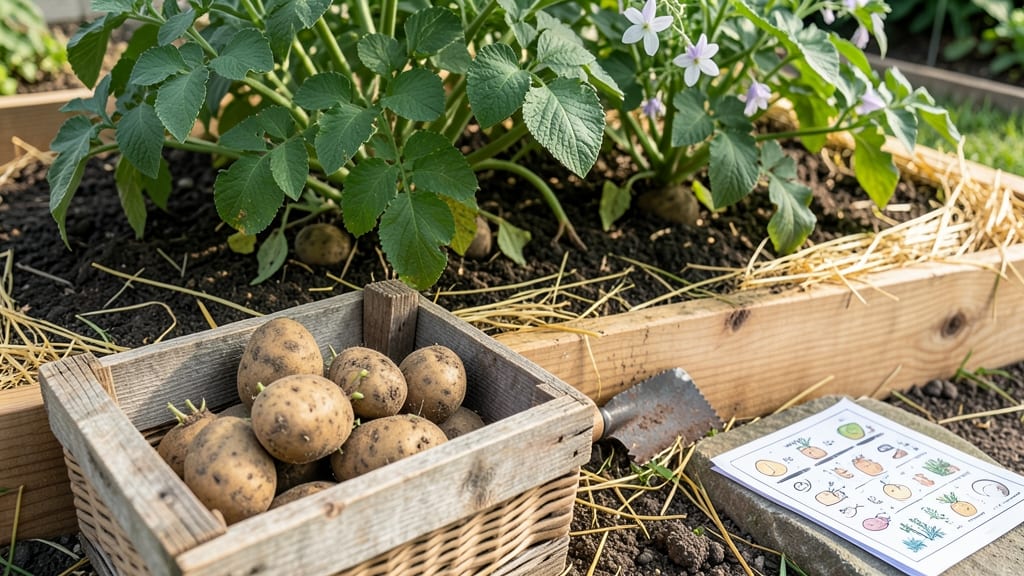
Timing when should I plant potatoes in Zone 6 isn’t just about sticking seeds in the ground—it’s the difference between a garden full of bountiful tubers and a sad, stunted harvest.
If you plant too early, frost will nip your sprouts before they even get started, while waiting too long risks missing the optimal 4-6 week window before your last frost date.
Most gardeners in Zone 6a-6b make the mistake of rushing potatoes into cold soil, only to watch their plants struggle or rot. The key is waiting until your soil hits 45°F—a simple temperature check that can save you from wasted effort.
I’ll show you exactly how to time it right, whether you’re planting in early spring or even late winter for a jumpstart.
You’ll also discover how to adjust for your specific potato variety—some thrive in cooler soil, while others need warmth to germinate. Plus, I’ll share my top tricks for avoiding common pitfalls like frost damage or pest attacks, so you can focus on growing potatoes that’ll outperform your neighbors’ harvests.
Ready to turn your Zone 6 garden into a potato powerhouse? Let’s break down the exact weeks to plant, soil prep secrets, and even how to handle those tricky early-spring weather delays. Your best harvest starts with the right timing—and I’ve got you covered.

Zone 6 potato planting timeline: exact weeks before last frost for best results
In Zone 6, timing your potato planting is everything—plant too early and risk frost damage, too late and miss peak harvests. The key is planting 4-6 weeks before your last frost date, typically between mid-March and early April in most Zone 6 regions.
This window ensures tubers develop before summer heat arrives, while avoiding spring frost threats.
Your last frost date in Zone 6 usually lands around mid-April, but this varies yearly. For example, if your last frost is April 15th, aim to plant by March 1-15. Early varieties like Yukon Gold can handle cooler soils, while heat-lovers like Red Pontiac need warmer conditions.
Soil temperature matters just as much as air temperature. Potatoes thrive when soil reaches 45°F (7°C)—use a soil thermometer to check. Cold soil slows germination and invites rot.
If your soil is still chilly, wait until it warms up, even if it means delaying planting by a week or two.
Pro tip: Chit your seed potatoes (expose them to light for 2-4 weeks before planting) to jumpstart growth. This helps them sprout faster in cooler Zone 6 springs. Store them in a bright, cool spot (around 50°F) with the rose end up to encourage even sprouting.
Here’s the golden rule for Zone 6: Plant early varieties first (like Kennebec or Russet) in late February to early March, then follow with mid-season types (such as Yukon Gold) in mid-March. This staggered approach spreads out your harvest and reduces pest pressure.
| Stage | Zone 6 Timeline | Key Actions |
|---|---|---|
| Pre-Planting Prep | Late February | Chit seed potatoes; test soil pH (aim for 5.0-6.5) |
| Early Varieties | Late February–Early March | Plant 4-6 weeks before last frost; cover with 3-4 inches mulch |
| Mid-Season Varieties | Mid-March | Plant when soil hits 45°F; space 12 inches apart |
| Harvest Window | July–August | Dig when foliage yellows; cure tubers for 1-2 weeks in dark, dry space |
| Fall Planting (Optional) | Late August–Early September | Use early varieties only; harvest before first frost (mid-October) |
Zone 6 gardeners often overlook fall planting, but it’s a smart strategy for a second harvest. Plant early-maturing varieties like Red Norland in late August for a crop ready by mid-October, just before the first frost.
Just be sure to use row covers to extend the season if needed.
Watch for late spring frosts, which can still hit Zone 6 into April. If frost is forecasted after planting, cover your potatoes with straw or old blankets for a few nights.
This protects tender shoots without smothering the soil. Remove covers during the day to let sunlight warm the plants.
For container growing in Zone 6, plant in large pots (at least 12 inches deep) and use a lightweight potting mix. Containers warm up faster than garden soil, so you can plant 1-2 weeks earlier than in-ground potatoes. Just ensure pots have drainage holes to prevent waterlogged tubers.
Remember: Consistency is key in Zone 6’s variable climate. If you’re unsure about your last frost date, check your local Cooperative Extension Service or use a frost calendar app. With the right timing, you’ll enjoy plump, disease-free potatoes all summer long! 🥔
How to adjust planting time for early vs. late potato varieties in Zone 6
Not all potato varieties thrive on the same schedule in Zone 6. Early varieties like Red Pontiac or Yukon Gold can handle cooler soils, while late varieties such as Kennebec or Fingerlings need warmer conditions to mature.
Timing your planting based on variety ensures you avoid stunted growth or wasted effort.
For early potatoes, plant 4-6 weeks before your last frost date—typically mid-March to early April in Zone 6.
These varieties mature in 60-90 days, so they’re perfect for escaping summer heat. Late potatoes, on the other hand, should go in 2-3 weeks before your last frost (around late April), as they need 90-120 days to reach harvest.
Here’s how to match your variety to Zone 6’s growing season for maximum success:
| Variety Type | Ideal Planting Time (Zone 6) | Days to Maturity | Best For |
|---|---|---|---|
| Early (e.g., Red Pontiac, Early Girl) | Mid-March to early April | 60-90 days | Cool springs, early harvests |
| Mid-Season (e.g., Yukon Gold, Kennebec) | Late March to mid-April | 90-100 days | Balanced growing season |
| Late (e.g., Fingerlings, Russian Banana) | Late April to early May | 100-120 days | Longer seasons, storage potatoes |
Cold-hardy varieties like Kennebec can even tolerate light frosts, making them ideal for Zone 6’s unpredictable springs. Plant them as soon as the soil reaches 45°F—usually by mid-March. Meanwhile, heat-sensitive types (e.g., Red LaSoda) should wait until soil warms to 50°F (around late April) to avoid stress.
Pro tip: Use row covers for early plantings to protect seedlings from late frosts. For late varieties, mulch heavily to retain soil warmth and extend the growing season into fall. This simple adjustment can boost your yield by 30-40% in Zone 6’s variable climate.
If you’re unsure about your last frost date, check your local USDA Plant Hardiness Zone Map or ask your county extension office. They’ll provide hyper-localized advice tailored to your microclimate—critical for Zone 6’s mix of cold snaps and heatwaves.