
Companion Plants
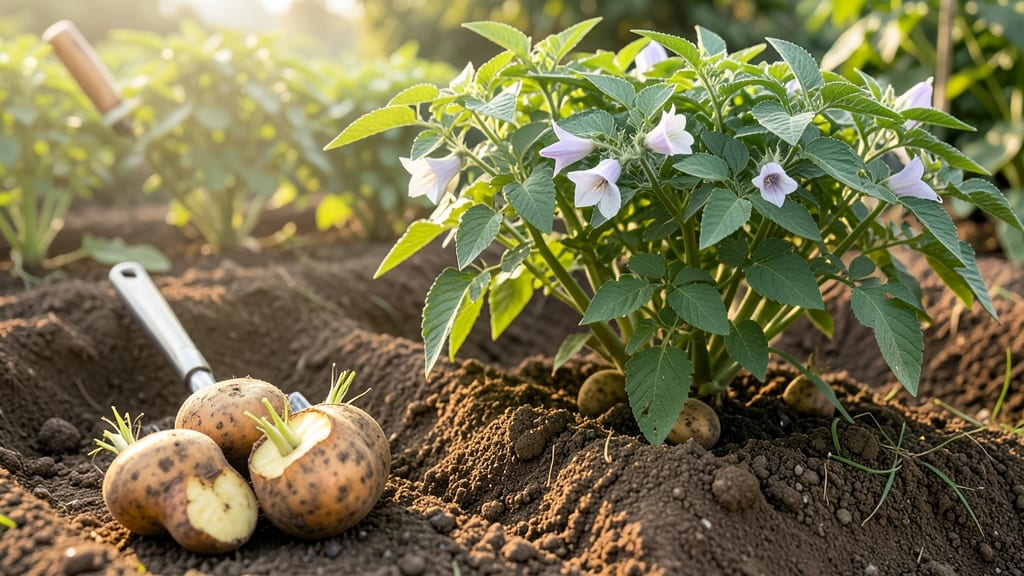
If you're asking "when can I plant potatoes in Zone 5", timing is the key to avoiding stunted 🥔 harvests or wasted effort. Zone 5's unpredictable frosts mean planting too early risks frost damage, while waiting too long cuts your growing season short—both can leave you with disappointing yields.
Most gardeners in Zone 5 should aim to plant potatoes 2-4 weeks before the last expected frost, when soil temperatures hit a steady 45°F. But here's the catch: northern Zone 5 areas (like Minnesota) need to wait longer than southern regions (like Missouri) due to colder springs.
I'll break down exactly how to adjust your schedule based on your local frost dates.
What you might not realize is that chitting your potatoes—pre-sprouting them indoors—can give you a 2-week head start on the season. Combined with frost protection tricks like row covers, you can push your planting window even earlier for maximum harvest potential.
Let me show you how to make this work for your specific corner of Zone 5.
We'll also cover which potato varieties thrive best in your region, from early maturing types that beat the heat to cold-hardy varieties that tolerate late frosts. By the end, you'll know exactly when to plant for bigger, healthier potatoes—no guesswork required.

Zone 5 potato planting calendar: exact weeks before last frost for best results
Timing your potato planting in Zone 5 hinges on two critical factors: your last frost date and soil temperature. Unlike warmer climates, Zone 5’s short growing season demands precision—plant too early, and frost will kill tender sprouts; too late, and your harvest shrinks.
Most Zone 5 gardeners aim for 2-4 weeks before the last frost, but the exact window varies by potato variety and local microclimates.
First, check your average last frost date (typically April 15–May 1 for most of Zone 5). For example, in Chicago (Zone 5b), gardeners plant by April 15, while in Pittsburgh (Zone 6a), the window extends to May 1.
Soil temperature is just as critical—potatoes thrive when soil reaches 45–50°F, a threshold often met 2–3 weeks after the last frost.
Here’s the golden rule: Early potatoes (like Yukon Gold) need planting 2–3 weeks before last frost for a 60–75-day harvest. Mid-season varieties (e.g., Kennebec) go in 2–4 weeks before frost, while late potatoes (like Russian Banana) wait until 4–6 weeks after frost for a 90–110-day yield.
Miss these windows, and you’ll sacrifice yield or risk disease.
| Potato Type | Planting Window (Zone 5) | Days to Maturity | Soil Temp Threshold |
|---|---|---|---|
| Early (e.g., Red Pontiac) | 2–3 weeks before last frost | 60–75 days | 45–50°F |
| Mid-season (e.g., Kennebec) | 2–4 weeks before last frost | 75–90 days | 50–55°F |
| Late (e.g., Russian Banana) | 4–6 weeks after last frost | 90–110 days | 55–60°F |
| Succession Planting | Every 2–3 weeks (April–June) | Staggered harvests | 45°F+ |
🌱 Pro Tip: Use a soil thermometer to confirm readiness—cold soil delays sprouting.
Local variations matter. In northern Zone 5 (e.g., Minneapolis), aim for late April planting, while southern Zone 5 (e.g., Nashville) can start as early as mid-March. To hedge your bets, chit your seed potatoes (sprout them indoors) 4–6 weeks before planting—they’ll emerge faster in cool soil.
For extra protection, use frost blankets or plant in black plastic mulch to warm the soil 5–10°F faster.
Don’t overlook fall planting in Zone 5! Some gardeners plant late-summer varieties in August for a frost-tender harvest before the first freeze. Choose early-maturing types like Adirondack Blue and harvest before October 15 to avoid rot. This tactic extends your harvest window by 4–6 weeks.
Common mistakes to avoid: Planting when soil is too cold (below 45°F) or ignoring frost dates from your local cooperative extension. For example, Albany, NY (Zone 5a), has a later frost date than Des Moines, IA (Zone 5b)—always check microclimate data.
If you’re unsure, err on the earlier side; potatoes tolerate light frost better than most vegetables.
For a foolproof schedule, mark your calendar 6 weeks before your last frost date and plant in 3 batches: early, mid, and late varieties. This ensures a continuous harvest from June through September.
Pair this with companion planting (e.g., beans or corn) to improve soil health and deter pests. With this timing, you’ll maximize your potato yield per square foot—a game-changer for small gardens.
🌱 Remember: Zone 5’s short season rewards preparation. Start chitting, test soil temps, and adjust for local frost dates. When done right, you’ll harvest bigger, healthier potatoes than neighbors who guessed their planting window.
How to extend your potato harvest in Zone 5: succession planting and frost protection
Zone 5’s short growing season means every extra week counts for your potato harvest. By using succession planting and smart frost protection, you can stretch your harvest from early summer to late fall.
The key is planting multiple batches with staggered maturity dates and shielding tender plants from late frosts.
Start with early-maturing varieties (like Red Pontiac) planted 2-3 weeks before your last frost date. Then follow with mid-season and late-season types every 2-3 weeks. This ensures a continuous supply while maximizing your garden’s potential.
For example, if your last frost is May 15, plant your first batch around April 15 and subsequent batches every 21 days.
🌱
| Planting Window | Variety Type | Frost Protection Needed | Harvest Time |
|---|---|---|---|
| 2-3 weeks before last frost | Early (60-75 days) | Light row cover | Early June |
| 4-5 weeks after first planting | Mid-season (75-90 days) | Cold frame or mulch | Late July |
| 6-8 weeks after first planting | Late (90+ days) | Heavy mulch or row cover | September-October |
Frost protection is non-negotiable in Zone 5. Even after your last frost, late spring frosts can still damage young plants. Use floating row covers or lightweight fabric to shield seedlings until they’re established.
For late-season harvests, apply a thick layer of straw mulch (6-8 inches) to insulate tubers from ground frost. This simple trick can buy you an extra 2-3 weeks of harvest time.
Another game-changer is chitting your seed potatoes before planting. Place them in a cool, bright spot (like a windowsill) 4-6 weeks before your target planting date. This encourages early sprouting, giving your potatoes a 2-week head start once planted.
Just avoid letting the sprouts get too long—they should be 1-2 inches when you plant.
Common mistakes to avoid include planting too late in the season or ignoring soil warming. Cold soil slows germination, so use a soil thermometer to ensure temperatures are above 45°F before planting.
If your soil is still chilly, consider using black plastic mulch to warm it up faster. This small step can mean the difference between a thriving crop and a failed batch.
With these strategies, you’ll turn Zone 5’s challenges into opportunities for a longer, more abundant harvest. Start early, protect your plants, and enjoy potatoes from summer through fall! 🌿