
Plants
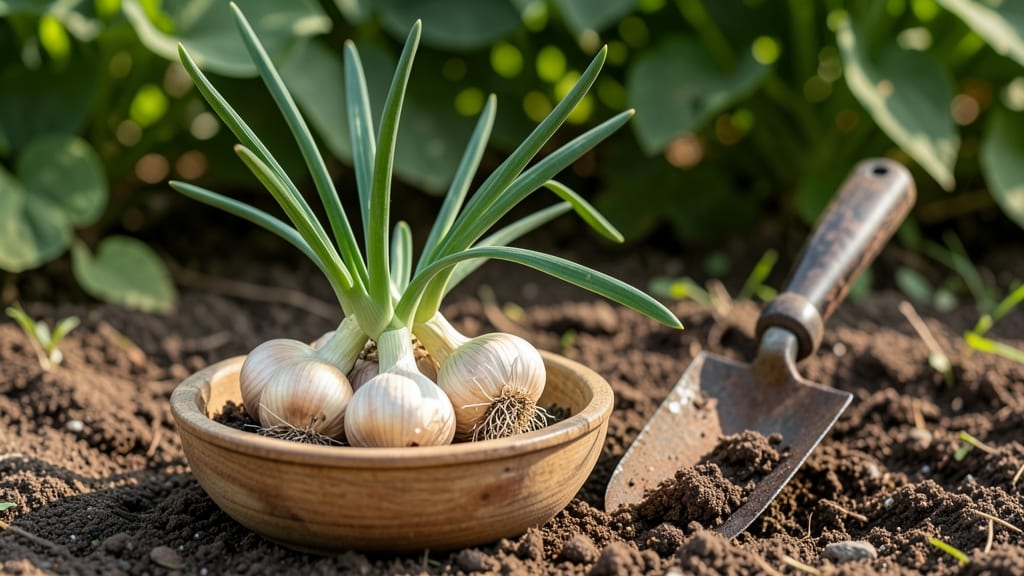
Planting garlic in Vermont isn’t just about timing—it’s about outsmarting the 4b-6a winters that could turn your crop into a flop. The difference between weak, puny bulbs and bold, flavorful hardneck varieties often comes down to those crisp fall weeks when the ground is cool but not frozen.
I’ve grown 🧄 garlic in Vermont for years, and the secret lies in planting between mid-October and early November, when the soil temperature drops below 50°F but before the first hard frost locks it in.
This window gives your cloves time to root deeply before winter dormancy—critical for surviving our harsh winters and thriving come harvest season.
But here’s the thing: Vermont’s microclimates mean your neighbor’s perfect timing might not work for you. Whether you’re in the Champlain Valley or the Green Mountains, I’ll break down the exact adjustments you need to make—plus how to salvage your crop if you miss the ideal window.
Let’s get those cloves in the ground the right way.
You’ll leave this guide knowing not just when to plant, but why those dates matter for your specific Vermont zone—and how to turn last year’s missed opportunities into this year’s harvest success. Ready to grow garlic that outperforms the grocery store?
Vermont garlic planting calendar: exact months by variety type
Vermont’s USDA Zones 4b-6a create a unique challenge for garlic growers—plant too early, and cloves rot in warm soil; too late, and they fail to establish roots before winter. The ideal planting window spans mid-September through November, with October 15th being the sweet spot for most hardneck varieties.
This timing ensures garlic roots establish before the ground freezes but avoids the heat stress of summer planting.
For Vermont gardeners, hardneck varieties like German White, Music, and Chesnok Red dominate because they thrive in cold winters and produce flavorful scapes. These varieties need 120-150 frost-free days to mature, making Vermont’s short season perfect for them.
Softneck varieties (like Silverskin) are less common here due to their need for milder winters.
Your exact planting date depends on your microclimate. In the Champlain Valley (Zone 5), aim for October 1-15, while Green Mountain regions (Zone 4b) should plant by October 1-10. Late October plantings are riskier but can work if followed by heavy mulching (see Section 2 for details).
🌱
| Variety Type | Best Planting Window | Vermont Notes |
|---|---|---|
| Hardneck (German White) | October 1-15 | Top choice; produces scapes |
| Hardneck (Music) | October 1-20 | Cold-hardy; great for late plantings |
| Hardneck (Chesnok Red) | September 25-October 10 | Early maturing; Zone 4b favorite |
| Softneck (Silverskin) | October 15-November 1 | Riskier; needs warmer winters |
If you’re in Zone 4b (like northern Vermont), prioritize early October plantings to avoid winter kill. Soil temperatures below 40°F slow root growth, so aim to plant when daytime temps hover around 50-60°F. Use a soil thermometer to confirm—garlic roots need 6-8 weeks to establish before winter.
For late plantings (November or later), choose Music or Chesnok Red varieties—they tolerate colder soils better. Pair this with 6+ inches of straw mulch to insulate cloves. Avoid planting after November 15th unless you’re using a greenhouse or cold frame to extend the season.
Pro tip: Break bulbs into cloves 1-2 days before planting to dry the skin slightly. This reduces rot risk in wet Vermont soils. Plant the pointed end up, 2 inches deep, and 4-6 inches apart in rows 12 inches apart.
Space matters—crowded garlic leads to smaller bulbs and increased disease.
🌿
Vermont’s first frost typically arrives mid-to-late October, but garlic can handle light frosts once roots are established. The key is ensuring cloves don’t freeze solid. A thick mulch layer (straw or leaves) acts like a blanket, maintaining soil temps around 32-40°F—ideal for overwintering.
Harvest timing varies by variety, but most Vermont garlic is ready late June to July. Hardnecks like German White often mature first, followed by Music. Watch for lower leaves turning brown—this signals bulbs are nearly ready.
If you miss the window, garlic can stay in the ground until July 4th, but bulbs may split if left too long.
🧄
5 Critical factors that determine your planting success in Vermont
Vermont’s microclimates—from the Champlain Valley’s milder winters to the Green Mountains’ harsh frosts—mean your garlic’s success hinges on 5 key factors. Ignore these, and you’ll struggle with weak growth or rot. But nail them, and you’ll grow hardneck garlic that thrives even in Zone 4b.
First, soil temperature is non-negotiable. Garlic cloves need 40-50°F soil to sprout, which in Vermont typically means October or early November. Use a soil thermometer to confirm—planting too early (like September) risks sprouting before frost, while late planting (December+) risks dormancy.
Frost dates are your second critical guide. Vermont’s first hard frost usually hits mid-to-late October, but aim to plant 4-6 weeks before the ground freezes. For example, in Burlington, that’s early October, while in Stowe, it’s late September. Check your local USDA Zone 4b-5a frost calendar for precision.
Third, garlic type matters. Vermont’s climate favors hardneck varieties like German White or Music, which form scape flowers and store well. Softneck garlic (like Silverskin) struggles in Zone 4b’s harsh winters—avoid it unless you’re in a microclimate pocket like the Champlain Valley.
Fourth, soil preparation sets the stage. Vermont’s sandy loam or clay-heavy soils need amending with compost or aged manure to improve drainage. Test your soil pH—garlic thrives in 6.0-7.0. If your soil is too acidic, add lime in early fall. Avoid fresh manure, which can burn roots.
Finally, overwintering protection is your secret weapon. After planting, cover beds with 4-6 inches of straw or leaves. This insulates roots from temperature swings and prevents soil heaving.
In late winter (February), top up mulch to shield emerging shoots from late frosts. Pro tip: Use black plastic mulch in spring to warm soil faster.
Master these 5 factors, and your Vermont garlic will outperform store-bought bulbs by spring harvest. Skip any, and you’ll play a losing game against the Green Mountain climate. 🌱