
Plants
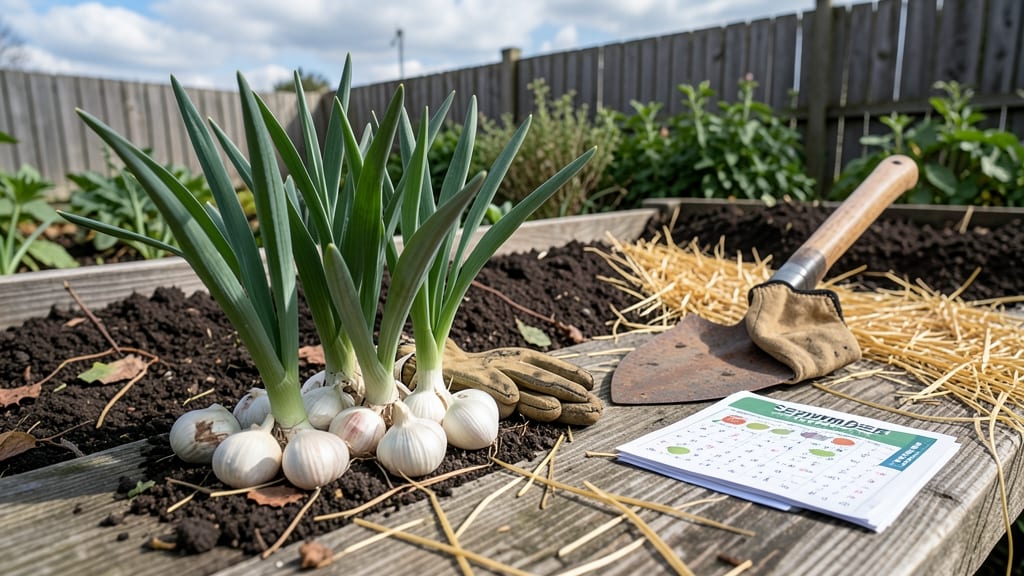
Planting garlic in Tennessee at the wrong time could mean the difference between a garden full of plump, flavorful bulbs and a disappointing harvest. The ideal window—typically October through November—aligns perfectly with Tennessee’s USDA Zone 6a climate, but timing is everything for hardneck and softneck varieties alike.
If you’ve ever wondered why some gardeners swear by fall planting while others experiment with spring, it’s because garlic thrives when planted 4-6 weeks before the ground freezes. In Tennessee, that means beating the first frost (usually around November 1) to give roots time to establish before winter dormancy.
But here’s the catch: hardneck garlic, prized for its scapes and bold flavor, has stricter timing needs than softneck, which stores longer but needs a slightly different approach.
What if you miss the fall window? Don’t panic—spring planting is still an option, though it requires adjustments for Tennessee’s 165 frost-free days.
I’ll walk you through the exact steps to prepare your soil, space your cloves, and care for your crop so you can enjoy a harvest from late June to July, no matter when you plant.
Whether you’re a first-time gardener or a seasoned grower, getting the timing right is the key to avoiding common mistakes like planting too late or choosing the wrong variety. Let’s dive into the best months, soil prep, and care tips to ensure your garlic thrives in Tennessee’s unique climate.
Best planting months for Tennessee garlic by type (hardneck vs softneck)
Tennessee gardeners know that garlic thrives in cool weather, making fall planting the gold standard for both hardneck and softneck varieties. But with Tennessee's USDA zones 6-8 and varied microclimates, timing matters more than you might think.
Hardneck garlic—known for its delicious scapes and sturdy bulbs—demands precise planting windows, while softneck (great for braiding and storage) offers slightly more flexibility.
For most of Tennessee, October and November are the ideal months to plant garlic. This gives cloves time to establish roots before winter dormancy, ensuring robust growth come spring.
However, East Tennessee's higher elevations (like the Smoky Mountains) may need to plant 2-3 weeks earlier, while West Tennessee's warmer zones (like Memphis) can extend planting into early December.
Here's the key difference: Hardneck garlic (like 'Music' or 'German White') needs cold stratification to form bulbs, so planting too late risks poor yields. Softneck varieties (like 'Silverskin' or 'Artichoke') tolerate slightly later plantings but still benefit from early fall dates.
Both types must avoid spring planting—Tennessee's heat stresses garlic, leading to bolted or bitter bulbs.
To nail your planting window, check Tennessee's average first frost date (typically November 1 in most areas). Aim to plant 4-6 weeks before frost—this ensures roots establish before winter.
For example, in Nashville (Zone 7a), planting between October 15-30 works perfectly, while Chattanooga (Zone 7b) can stretch to early November.
One common mistake is assuming all garlic is the same. Hardneck varieties like 'Chesnok Red' or 'Music' require cold to form bulbs, so planting them in spring (even in Tennessee's mild winters) results in small, pungent bulbs.
Softneck types, however, can handle slightly later plantings and even overwinter in the ground if mulched properly.
For maximum yield, pair your planting date with proper soil prep. Tennessee's clay-heavy soils (common in Middle Tennessee) need amendments like compost or sand to improve drainage.
Test your soil's pH (6.0-7.0 ideal) and add lime if needed—garlic hates acidic soil. Once planted, mulch with straw to insulate roots during winter's temperature swings.
Remember, Tennessee's spring harvest window is short—typically late June to July. Planting at the right time ensures you're ready to harvest before summer heat stresses the bulbs. Hardneck garlic often matures first (by late June), while softneck varieties may linger into early July.
Mark your calendar now—your 2025 garlic harvest depends on it!
If you're new to growing garlic, start with 2-3 varieties to test what thrives in your specific Tennessee microclimate. Local nurseries often carry regionally adapted types, or order certified organic seed garlic from reputable suppliers.
With the right timing and care, you'll be feasting on homegrown, Tennessee-grown garlic in no time!
🌿
Best planting months for Tennessee garlic by type (hardneck vs softneck)
Tennessee’s USDA zones 6-8 create ideal conditions for growing garlic, but timing matters—especially when choosing between hardneck and softneck varieties. Hardneck garlic thrives in colder climates and produces scape shoots, while softneck stores longer but prefers milder winters.
Let’s break down the best planting windows for each type in Tennessee’s diverse climate.
For hardneck garlic, aim to plant cloves in October or early November. This gives roots time to establish before winter, ensuring robust growth when spring arrives.
In West Tennessee (zone 7-8), you can push planting to mid-November, but avoid December—late plantings often fail to mature fully before summer heat.
Softneck garlic, like Silverskin, is more forgiving but still benefits from fall planting in September or October. These varieties can handle slightly warmer winters, making them a better choice for East Tennessee’s cooler microclimates (zone 6a).
If you miss the fall window, softneck can sometimes be planted in early spring (March), though yields may be smaller.
| Garlic Type | Best Planting Months | Key Features | Tennessee Notes |
|---|---|---|---|
| Hardneck | October–Early November | Produces scape shoots; stores 6–8 months | Ideal for East TN (zone 6a); avoid late November |
| Softneck | September–October | Longer storage (9+ months); no scapes | Works in West TN (zone 7-8); can try March spring planting |
Pro tip: Use your last frost date (around April 15 in most of Tennessee) as a guide. Plant garlic 4–6 weeks before the ground freezes—typically by mid-October—to ensure roots establish before winter dormancy.
For West Tennessee’s warmer microclimates, you might extend planting to early December, but monitor soil temps.
If you’re unsure about your local frost dates, check with your county extension office or use a soil thermometer to confirm when temps drop below 50°F. Hardneck garlic, in particular, needs cold vernalization (40–50°F for 6–8 weeks) to form bulbs properly.
Softneck varieties are more adaptable but still prefer cooler fall soils for best results.
Remember: Spring planting is risky in Tennessee unless you’re growing softneck varieties in zone 7-8. Garlic planted in spring often matures too late, leaving bulbs vulnerable to summer heat stress and pest pressure. Stick to fall for reliable harvests!