
Plants
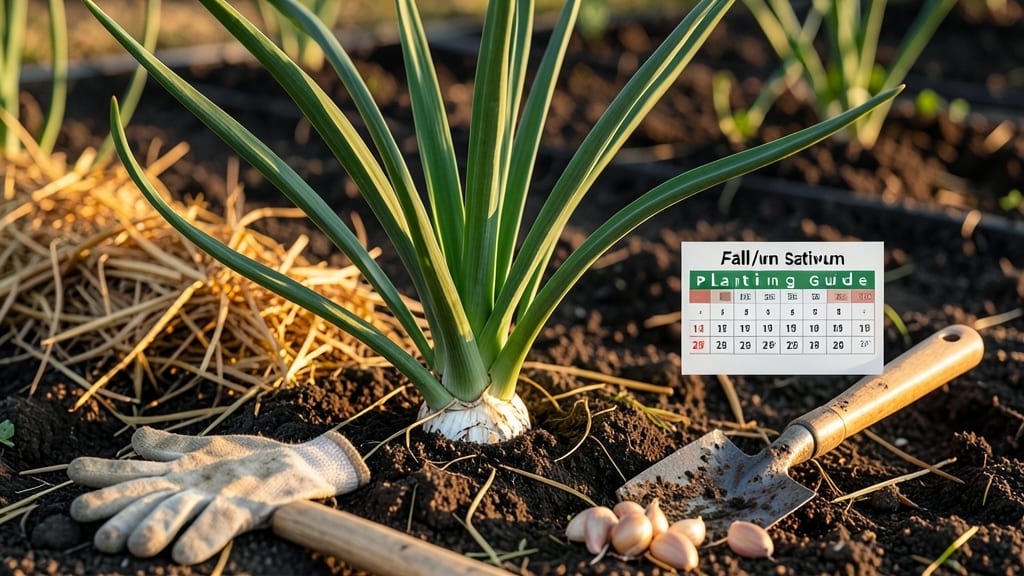
Timing your 🧄 garlic planting in Tucson isn't just about following a calendar—it's about outsmarting the desert's unpredictable swings from 90°F summers to chilly winter nights. Plant too early, and your cloves might bolt before forming bulbs; too late, and the heat will stunt growth.
The perfect window—October through November—lets you take advantage of cooler temps while setting up your crop for a strong spring harvest.
Here's the secret: Tucson's USDA Zone 9b climate demands patience. You need soil that's cool enough to encourage root growth but not so cold it damages tender cloves.
I'll show you exactly how to read your soil's cues and adjust for microclimates—whether you're in the low desert or the cooler foothills—to get the biggest, most flavorful bulbs possible.
What happens if you miss that window? Don't panic—we'll cover how to salvage late starts with shade cloth and mulching tricks that keep your garlic thriving even when temperatures climb.
By the end, you'll know not just when to plant, but how to give your garlic the best shot at success in Tucson's challenging growing conditions.
Ready to grow garlic that rivals the stuff you'd pay top dollar for at the market? Let's dive into the best months, soil prep secrets, and pro tips that'll make your harvest the envy of every gardener in town.
Tucson’s ideal garlic planting months: hardneck vs softneck varieties
Tucson’s USDA Zone 9b climate demands precision when planting garlic—4-6 weeks before the first frost (typically mid-December) is your golden window. For most gardeners, this means late October through November, but hardneck and softneck varieties have slightly different needs due to their cold requirements.
Hardneck varieties like ‘German Red’ or ‘Music’ thrive with cold exposure (30-40°F) to form scape shoots, while softneck types such as ‘Silverskin’ or ‘Creole’ tolerate milder winters. In Tucson’s low desert (1,200-2,000 ft), hardnecks planted in October will bolt properly, but softnecks can stretch into early November.
For higher elevations (foothills, 2,500+ ft), adjust planting 2-3 weeks earlier—aim for late September to October—since cooler temps arrive sooner. Always check soil temperatures (ideal: 50-60°F) with a thermometer before planting to avoid premature sprouting.
🌱
If you miss the October-November window, don’t despair—December planting can still work for softnecks, but expect smaller bulbs due to Tucson’s short winter days. For hardnecks, late planting risks bolting (flowering) before bulb development, wasting your effort.
Always choose plump, firm cloves from organic sources—avoid supermarket garlic, which often sprouts poorly. Store cloves in a cool, dark place (50-60°F) until planting day to maintain viability.
🌿
For container growing in Tucson, use 5-gallon pots with well-draining soil and plant in October-November too—just ensure pots don’t sit in standing water during monsoon season. Containers warm up faster, so monitor soil moisture closely.
Finally, mulch heavily (2-3 inches of straw) after planting to retain moisture and insulate roots from Tucson’s temperature swings. Remove mulch in late winter to prevent fungal diseases as bulbs mature.
5 Key signs Tucson’s soil and weather are ready for garlic planting
Tucson’s desert climate throws curveballs with its unpredictable frost dates and sudden monsoon shifts. Before planting garlic, check these 5 critical signs to ensure your cloves get the perfect start.
Miss these cues, and you risk bolting or stunted growth—neither of which you want with a $10 bulb of premium garlic.
First, soil temperatures must drop below 70°F (21°C) consistently. Use a soil thermometer to confirm—garlic hates heat at planting. In Tucson, this usually happens by mid-October, but monitor your specific microclimate (low desert vs. foothills can vary by 2-3 weeks).
Next, look for day-length changes. Garlic is a short-day plant, meaning it needs 10-12 hours of daylight to trigger bulb formation. By late October, Tucson’s days shorten to 11.5 hours—ideal timing. Use a sunlight tracker app to confirm your garden’s exact light exposure.
| Sign | Tucson-Specific Action |
|---|---|
| Soil temp below 70°F | Test with thermometer; aim for 60-65°F (15-18°C) for best growth. |
| Daylight ≤12 hours | Check by late October; foothills may need earlier planting. |
| First light frost risk | Plant 4-6 weeks before Dec 15 (Tucson’s avg. first frost). |
| Moist but not soggy soil | Dig 6" deep; should feel like a wrung-out sponge. |
| Monsoon rains ended | Wait until September showers stop to avoid waterlogged cloves. |
Don’t overlook moisture levels. Tucson’s soil can feel dry on the surface but retain moisture deeper down. Dig 6 inches deep—your garlic’s roots will grow this far—and check for dampness.
If it’s bone-dry, water 2-3 days before planting to give roots a head start. Overwatering now is worse than underwatering.
Finally, watch for monsoon transitions. If Tucson’s late-summer rains linger into October, delay planting until the ground dries. Soggy soil smothers cloves, leading to rot or fungal diseases.
A quick permeability test (dig a hole, fill with water, see how fast it drains) tells you if your soil’s ready.
Pro tip: Plant hardneck varieties (like ‘German Red’) slightly earlier (early October) than softnecks (like ‘Silverskin’) for larger bulbs. Adjust for your elevation—Tucson’s 2,500-3,000 ft zones may need 1-2 weeks earlier than lower desert areas. 🌱