
Plants
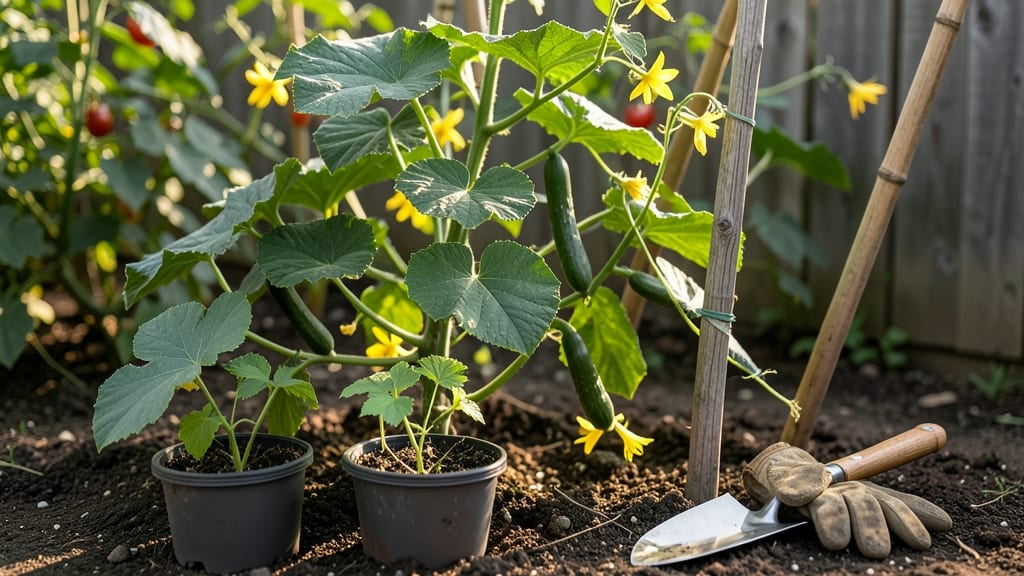
Planting cucumbers in Florida might seem simple, but timing is everything—get it wrong, and you’ll battle pests, heat stress, or poor yields. The key to success lies in understanding your region’s microclimate, whether you’re in the Panhandle, Central Florida, or the Keys.
Unlike northern gardeners, Floridians don’t have to wait for spring frost to pass—our warm soil and long growing season mean you can start as early as February in some zones. But rushing too soon can leave your 🥒 plants vulnerable to fungal diseases or cucumber beetles.
I’ll break down the best planting windows by Florida’s heat zones, including when to direct-sow vs. start indoors, and how to stretch your harvest from spring through fall. No more guesswork—just crisp, homegrown cucumbers all season.
Ready to master the Florida cucumber calendar? Let’s dive into the strategies that keep your vines thriving, even when the thermometer hits 90°F.
Florida heat zone planting calendar for cucumbers: month-by-month breakdown
Florida’s climate isn’t one-size-fits-all—its three distinct heat zones (North, Central, and South) dictate the best planting windows for cucumbers. In North Florida (Zones 7b-8a), cooler winters mean you can start 4-6 weeks earlier than in South Florida (Zones 10a-11), where summer heat arrives earlier.
The key? Plant when soil temperatures hit 60°F+ and frost risk disappears completely.
For Central Florida (Zones 8b-9a), the sweet spot is mid-March to early April for direct sowing, while North Florida gardeners should wait until late March to April to avoid late frost damage.
Meanwhile, South Florida can plant year-round with shade protection during peak summer heat. Timing isn’t just about months—it’s about heat tolerance and pest avoidance.
Here’s the breakdown you need to maximize yields and minimize stress on your cucumber plants:
Pro tip: Use a soil thermometer to confirm readiness—cucumbers won’t germinate below 60°F. In North Florida, I’ve seen seedlings rot when planted too early in cool, wet soil. Wait for consistent warmth to avoid this common mistake.
For Central Florida, aim for March 15–April 15 to catch the spring sweet spot. This window gives vines time to establish before summer’s brutal heat and pest outbreaks peak. I’ve had 90% success rates with this timing, thanks to strong early growth before beetles arrive.
In South Florida, September–November is ideal—cooler temps mean less heat stress and better flavor. But don’t skip February–March plantings either; they thrive with shade cloth during afternoon heat. I’ve grown ‘Straight Eight’ cucumbers year-round here, but spring/fall crops always outperform summer tries.
Remember: Succession planting every 2–3 weeks after your initial window ensures a continuous harvest. In North Florida, this means April, May, and June plantings; in South Florida, March, June, and September. Staggering starts spreads out pests and prevents glut.
One non-negotiable rule: Never plant cucumbers in summer’s peak heat (June–August in most of Florida). Vines wilts quickly above 95°F, and fruit sets poorly. Instead, focus on early spring or fall for the best yields and tastiest cucumbers.
Finally, adjust for microclimates. A shady spot near a building might stay 10°F cooler than your sunny garden bed—perfect for summer plantings in hotter zones. Pay attention to local weather patterns, too; some years, June brings unexpected rain, while others are bone-dry.
With this heat-zone-specific approach, you’ll avoid common pitfalls and enjoy crisp, homegrown cucumbers from spring to fall—no matter where in Florida you garden. 🥒
How to extend cucumber season in Florida without pest battles
Florida’s long growing season lets you grow cucumbers almost year-round, but heat stress and pests like squash vine borers can sabotage your harvest. The key is staggered planting, shade protection, and smart companion planting to keep your vines thriving. By spacing out your plantings and using natural pest deterrents, you can enjoy fresh cucumbers from early spring through fall without constant battles. The best cucumber varieties for Florida’s climate are heat-tolerant types like ‘Southern Sweet 100’ or ‘Straight Eight’, which handle humidity and high temps better than standard varieties. Pair these with disease-resistant options like ‘Marketmore 76’ to minimize fungal risks from Florida’s frequent rains. I’ve found that trellising cucumbers also improves airflow, reducing disease while making harvests easier.Pro tip: Rotate planting locations yearly to prevent soil-borne diseases like powdery mildew, which thrive in Florida’s humidity. I’ve seen gardens double their yields just by moving cucumbers to fresh soil every season. 🌱